
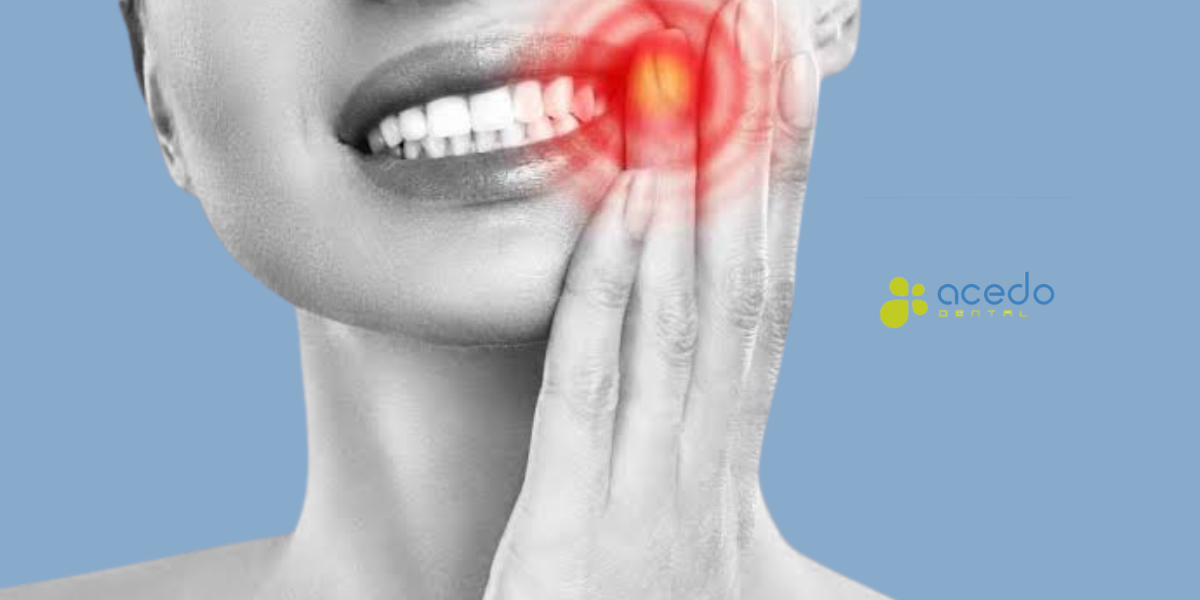
Toothache is one of the most uncomfortable and debilitating experiences a person can suffer in their daily life. It usually appears suddenly, often at night, affecting the ability to eat, speak, or rest properly. According to international health organizations such as the National Library of Medicine, These discomforts almost always indicate an underlying problem that requires professional attention. While you wait to be seen at our clinics, There are several strategies and tips for relieving toothache that you can safely apply at home. Dental Clinic Acedo, with an active presence in both Seseña and El Barco de Ávila, We know that acting quickly and with accurate information is essential to avoid worsening the clinical picture before you sit in the dental chair.
Understanding the source of your discomfort is the first step to addressing it correctly. The inside of the tooth, known as the dental pulp, is filled with extremely sensitive nerve endings and blood vessels. When this area becomes inflamed or infected due to deep decay, trauma, or gum problems, The nerve sends sharp pain signals to the brain. Because the tooth is a rigid structure, the internal inflammation has no room to expand, generating the intense, throbbing pressure that characterizes the most severe toothaches.
Throughout this article, we will detail proven methods that provide temporary relief. It is vital to understand that none of these solutions replace an evaluation by a dentist. The goal of these practices is to make the wait until your appointment as bearable as possible by reducing inflammation and slightly numbing the affected area. If you experience this type of emergency, our team is prepared to offer you personalized and attentive care. to solve the problem at its root.
Why does toothache occur and how to identify its origin
Toothache rarely occurs without a justifiable cause. The anatomy of our mouths is designed to protect the most sensitive areas, but when these natural barriers fail, pain is the primary warning sign. The most frequent cause of toothache is advanced tooth decay. When bacteria present in plaque destroy the enamel and dentin, they can penetrate to the pulp, causing pulpitis. In its initial stages, the pain may be intermittent and only react to cold or sweet stimuli. However, if conservative dental treatment is not performed..., The infection progresses and the pain becomes constant and spontaneous.
Another very common cause is periodontal disease or gum problems.. The accumulation of tartar below the gum line creates periodontal pockets where anaerobic bacteria thrive. This not only weakens the tooth's support structure but can also lead to a periodontal abscess, a collection of pus that causes a dull ache, visible swelling, and even fever. In these cases, the gum tissue appears red and bleeds easily when touched or during routine brushing.
Dental fractures and trauma also play a crucial role. Sometimes, biting into excessively hard food or suffering a blow to the mouth causes microscopic cracks in the enamel. These cracks, known as cracked tooth syndrome, cause sharp, stabbing pains when chewing or releasing the pressure of the bite. Furthermore, we cannot forget the eruption of wisdom teeth. Lack of space in the dental arch causes these teeth to push against adjacent teeth or become impacted, leading to painful inflammation of the surrounding tissue known as pericoronitis.
Finally, bruxism, the involuntary habit of clenching or grinding teeth, subjects teeth to constant mechanical stress. This excessive pressure wears down the enamel, exposes the underlying dentin, and fatigues the periodontal ligaments, resulting in widespread pain that is often more intense upon waking. Identifying which of these factors is causing your problem is key so that, when you visit the dentist, you can determine the best course of action. dentist in Seseña or in El Barco de Ávila, the diagnosis is much faster and more accurate.

Safe home remedies to soothe urgent dental discomfort
When pain strikes in the middle of the night or on a weekend, resorting to safe home remedies is a great way to buy yourself some time. One of the oldest and most effective methods is rinsing with warm salt water. Salt acts as a natural antibacterial agent and helps reduce tissue inflammation by drawing out excess cellular fluid through osmosis. To prepare it, simply dissolve half a teaspoon of salt in a glass of warm water and rinse gently for about thirty seconds, spitting out the liquid afterward. This process can be repeated several times a day to keep your mouth clean and free of inflammation.
Applying local cold is another essential strategy. Placing a cold compress or an ice pack wrapped in a thin cloth on the cheek, directly over the affected area, causes vasoconstriction. By reducing blood flow to the inflamed area, the cold decreases swelling and partially numbs the nerve endings. It is important to apply the cold in fifteen-minute intervals, resting for another fifteen minutes, to avoid frostbite on the facial skin. Never apply ice directly to the tooth or sore gum, as the extreme temperature contrast will worsen the acute pain.
Flossing can also be considered a first-line remedy. Sometimes, the pain doesn't stem from an internal infection, but from a hard piece of food, like a popcorn kernel or a piece of meat, that has become lodged between two teeth. This pressure on the interdental papilla generates intense pain that mimics that of a cavity. Gently flossing to clean the interproximal space, followed by a vigorous rinse, can resolve the problem in minutes and provide immediate relief.
Another traditional remedy with a scientific basis is the use of cloves. This spice contains eugenol, a chemical compound that acts as a natural anesthetic and antiseptic. If clove essential oil is available, a tiny amount (one drop) can be applied to a cotton ball and gently rubbed against the gum and sore tooth. If the oil is unavailable, gently chewing a whole clove near the affected area will release its essential oils. However, it should be used with caution, as an excess of eugenol can irritate the oral mucosa.
Over-the-counter medications useful for treating dental inflammation
If home remedies aren't enough to manage the situation, over-the-counter pain relievers and anti-inflammatories are the next line of defense. Ibuprofen is often the first-line medication for toothaches. Belonging to the family of nonsteroidal anti-inflammatory drugs (NSAIDs), this drug not only relieves pain by blocking nerve signals but also directly targets inflammation of the dental and gum tissue. It's crucial to take it according to the dosage instructions and preferably on a full stomach to protect the gastric mucosa.
In cases where the patient is allergic to ibuprofen or suffers from chronic stomach problems, paracetamol is an excellent alternative. Although it doesn't have such a potent anti-inflammatory effect, it is a very effective analgesic that alters how the body perceives pain. In episodes of severe discomfort, and always under the advice of a pharmacist or doctor, alternating between the two medications is often used to manage pain peaks more continuously and safely, avoiding exceeding the maximum daily dose of each active ingredient.
Topical anesthetic gels containing benzocaine can also offer fast, localized relief. These products are applied directly to the inflamed gum and numb the area almost immediately. They are very helpful for falling asleep if the pain throbs at night. However, their effect is short-lived, and they should not be used for extended periods. Furthermore, it is crucial to follow the manufacturer's instructions, as swallowing excessive amounts of topical anesthetic can numb the throat and make swallowing difficult.
It is crucial to remember that medication masks the symptom but does not cure the underlying disease. Taking painkillers for weeks without visiting the dentist will only allow cavities or infections to progress silently. This can lead to the need for more complex treatments, such as a endodontics to save the tooth, or in the worst case, the loss of the tooth and the need to place dental implants. Therefore, medication should be considered solely as a temporary bridge to specialized professional care.
Common mistakes that worsen a mouth infection
Faced with the desperation of acute pain, many patients resort to folk remedies or incorrect practices that, far from helping, seriously aggravate the problem. The most dangerous and frequent mistake is placing an acetylsalicylic acid (aspirin) tablet directly on the painful tooth or gum. Aspirin is a strong acid that, when it dissolves in contact with soft tissue, causes severe chemical burns to the oral mucosa. This adds intense, ulcerative pain to the original dental problem and greatly complicates subsequent gum healing. Oral medication should always be swallowed.
Another common mistake is applying external heat to the face. While heat can be soothing for muscle or joint pain, it has a devastating effect on a dental infection. Heat causes vasodilation, which increases blood flow to the area and promotes inflammation. If a bacterial abscess is present, heat can accelerate the spread of the infection to surrounding facial tissues, leading to facial cellulitis, a medical complication requiring urgent hospital care.
The use of antibiotics without a prescription is a practice we must completely eradicate. Many patients keep leftover amoxicillin from previous treatments and decide to self-medicate for a toothache. This is a critical mistake for several reasons. First, not all toothaches are caused by bacteria; if the pain stems from trauma or bruxism, antibiotics are useless. Second, taking incorrect doses or incomplete treatments promotes bacterial resistance. At Acedo Dental Clinic, we always evaluate each case individually to prescribe antibiotics only when there is a confirmed infection..
Finally, ignoring pain when it suddenly disappears is a dangerous trap. Sometimes, after days of intense discomfort, the pain stops abruptly. Many patients cancel their appointment thinking they are cured, but the reality is often that the dental nerve has died (pulp necrosis). With no living tissue, there is no pain, but bacteria are still present and will spread to the jawbone, forming silent, chronic cysts or abscesses that will destroy the tooth's support structure and compromise overall health.
When is it absolutely necessary to go to the dentist urgently?
Knowing how to distinguish between a manageable discomfort and a true dental emergency can save your tooth and prevent systemic health problems. If toothache lasts more than two or three consecutive days despite taking painkillers, it's a clear sign that you need immediate professional attention. Pain that persists and interferes with sleep indicates severe internal inflammation and likely irreversible nerve damage.
Visible swelling on the face, cheeks, or neck is a red flag that should not be ignored under any circumstances. This swelling indicates that the infection has spread beyond the tooth and is affecting the surrounding soft tissues. If the swelling is accompanied by fever, chills, or general malaise, it is an acute infection requiring prompt intervention, possibly including professional drainage and specific antibiotic treatment to prevent bacteria from entering the bloodstream.
Difficulty swallowing or breathing are the most serious symptoms associated with an untreated dental infection. If you feel swelling spreading down your throat or under your tongue, you should seek emergency medical or dental help immediately. Certain lower jaw infections can spread to the fascial spaces in the neck, compromising the airway in a serious medical condition. In these cases, reaction time is critical to ensure patient safety.
Likewise, if you notice a bump on your gum that resembles a pimple and oozes a foul-tasting fluid (fistula), you should see a dentist. This bump is the body's way of releasing pus from an infection at the root of the tooth. Although the drainage of pus often relieves pressure and reduces pain temporarily, the source of the infection remains active within the bone. Whether you need assistance or specific treatment, our multidisciplinary team in Seseña and El Barco de Ávila is prepared to make an accurate diagnosis and restore your oral health..
How to prevent future dental problems with a proper routine
Prevention is always the best treatment, and preventing toothaches is much simpler and cheaper than dealing with the problem once they've developed. The foundation of a healthy mouth lies in impeccable oral hygiene. This means brushing thoroughly at least twice a day for a full two minutes, using fluoridated toothpaste. Fluoride remineralizes the enamel, which is microscopically worn down throughout the day, making it more resistant to the acids produced by cavity-causing bacteria.
However, a toothbrush can't reach all tooth surfaces. Interdental spaces are the perfect hiding place for plaque and the origin of the most insidious and silent cavities. Therefore, daily flossing or using interproximal brushes is essential to prevent toothaches. Cleaning these areas prevents cavities between teeth and protects the gums from chronic inflammation that can lead to periodontal disease and bone loss.
Diet plays a crucial role in preventing dental emergencies. Limiting the consumption of refined sugars and fermentable carbohydrates, especially between meals, drastically reduces the substrate on which bacteria feed. It is advisable to avoid excessively sticky foods that remain adhered to the enamel for hours, as well as carbonated soft drinks that chemically erode the tooth surface. Opting for a diet rich in water, dairy products, fruits, and crunchy vegetables helps maintain a healthy salivary flow, which acts as a natural cleanser and neutralizer in the mouth.
Finally, regular visits to the dental clinic are irreplaceable. Many dental pathologies are asymptomatic in their early stages and can only be detected through professional examination and X-rays. cleanings and check-ups Regular checkups allow us to intercept small cavities before they reach the nerve, diagnose early cracks, and adjust your oral hygiene routine. Whether you're from the southern part of Madrid, the northern part of Toledo, or the Tormes Valley, keeping your appointments scheduled at any of our locations will ensure your smile stays healthy and free from unexpected pain..
Patient testimonial about our dental pain treatment
«"I'd barely slept for three nights due to excruciating pain in a back tooth. I tried every home remedy imaginable, but nothing worked. I called first thing in the morning and they squeezed me in as an emergency. From the moment I walked in, I noticed the warm and professional service from the entire team. They clearly explained that I needed a root canal, administered the anesthetic with utmost care, and the pain completely disappeared during that same session. The atmosphere is incredibly calming, which is so appreciated when you're so nervous. I'll definitely be back for my regular checkups."»
– Carlos M.
Frequently asked questions about toothache
How long is it normal for a toothache to last?
There is no "normal" duration for acute tooth pain, as any pain indicates a problem that needs to be addressed. If the pain is mild and transient due to sensitivity, it may last a few seconds. However, if the pain is sharp, constant, and lasts more than 24 or 48 hours, it is a clear sign of pulp inflammation or infection and requires immediate dental attention to prevent it from worsening.
Why does toothache get worse at night?
Nighttime worsening is due to a postural factor. When we lie down, blood flow to the head increases, which raises blood pressure within the vessels of the inflamed tooth. Because it's a confined space, this extra pressure on the nerve significantly intensifies the throbbing and pain. Keeping the head slightly elevated with extra pillows can help alleviate it.
Can I take antibiotics on my own if I'm in a lot of pain?
No, you should never self-medicate with antibiotics. Many toothaches are not bacterial in origin (they can be caused by trauma, bruxism, or inflammation without infection). Taking antibiotics without a prescription will not relieve your pain, will mask important symptoms, and will contribute to the development of resistant bacteria, complicating future treatments. They should always be prescribed by a professional after a diagnosis.
What happens if the pain suddenly disappears?
If severe pain suddenly stops, it's usually not a good sign. It often indicates that the tooth's nerve has become necrotic (died) due to infection. Even though you no longer feel pain because there are no living nerve endings, the bacteria are still there and will spread to the bone, creating a silent abscess. You should see your dentist to have the root treated before you lose the tooth.
Is it good to rinse with alcohol or hydrogen peroxide?
Using alcohol in home mouthwashes is not recommended, as it severely irritates the oral mucosa and does not cure internal tooth infections. Diluted hydrogen peroxide can help clean superficial wounds on the gums, but it will not penetrate the tooth to treat deep cavities. Warm salt water is much safer and more effective for reducing superficial inflammation.
Can an old filling cause sudden toothache?
Yes. Over time, fillings can wear down, crack, or become loose, allowing bacteria to seep underneath and cause new decay, known as secondary decay. This new infection can quickly spread to the nerve beneath the old filling, causing severe pain that requires either replacing the filling or performing a root canal.
Act now to protect your smile and avoid complications
Ignoring dental discomfort in the hope that it will disappear on its own often leads to more extensive, expensive, and complex treatments. Home remedies and over-the-counter medications are very useful tools for managing the initial crisis and regaining some comfort, but the only way to guarantee your long-term oral health is to address the root of the problem with specialized professional help.
Early diagnosis makes all the difference between a simple filling and the irreversible loss of a tooth. Our team is dedicated to building trust from the very first moment, offering a wide range of dental treatments with a functional and aesthetic approach tailored to you.. If toothache is affecting your quality of life, don't wait any longer. Call us today or contact us for more information. request an appointment; We will be happy to assist you at our facilities and restore the peace of mind you deserve.
Book your appointment today and wear a smile healthy, without discomfort and radiant to be proud of.
How can I book my appointment?
Booking your free appointment is very simple:
If you are in Seseña:
- Address: Calle Tirso de Molina 22, 45223 Seseña
- Phone: 669 956 658
If you are in El Barco de Ávila:
- Address: C. del Abanico, 10, Local 1, 05600 El Barco de Ávila, Ávila
- Phone: 606 886 468
Our customer service team will assist you with kindness and help you schedule your appointment at a time that best suits you.
We will wait for you!
