
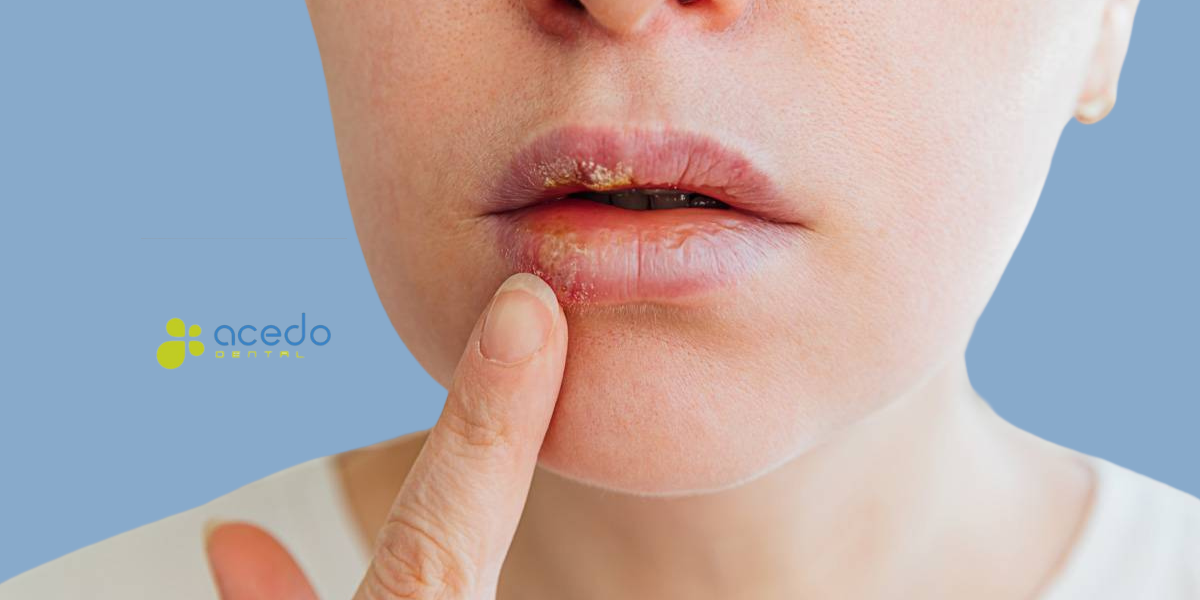
You notice your mouth feels pasty when you wake up, you have trouble swallowing dry foods, you drink water all the time, and yet you still feel dry. Many people think this "isn't a big deal," but it's not. Dry mouth can affect your daily comfort and also your oral health. In fact, saliva protects teeth, gums, and mucous membranes, and when it's lacking, problems like cavities increase., bad breath, Irritation, difficulty speaking, or discomfort when wearing dentures. The American Dental Association itself explains that a reduction in saliva flow can make chewing, speaking, and swallowing difficult, in addition to increasing the risk of cavities and tooth demineralization.
The important thing to understand from the beginning is that dry mouth is not a disease in itself, but a symptom. Sometimes it appears due to a specific cause, such as drinking too little water, sleeping with your mouth open, or going through a period of stress. Other times it's related to medication, hormonal changes, systemic diseases, cancer treatments, or problems with the salivary glands. That's why it's best not to normalize it, especially if it lasts for weeks or if you start to notice burning, sores, a bad taste, difficulty eating, or other issues. tooth sensitivity.
Dry mouth, or xerostomia, is the lack of saliva Dry mouth is often caused by medication, dehydration, stress, or conditions like diabetes. It can make chewing, swallowing, and speaking difficult, increasing the risk of cavities and infections. Relief can be achieved with water, sugar-free gum, and good oral hygiene..
In Dental Clinic At Acedo, we frequently see patients from Seseña and El Barco de Ávila who come in with recurring cavities, bad breath, discomfort when eating, or oral irritation. Behind all of this lies a cause that hasn't always been properly assessed: insufficient saliva. Detecting it early makes a big difference, because it allows us to alleviate symptoms, protect the enamel, and avoid complications that, in the medium term, can lead to longer treatments.
What exactly is dry mouth?
Dry mouth, also called xerostomia, is the subjective sensation of insufficient saliva. In other words, the person notices their mouth is dry, sticky, or uncomfortable. In some cases, this sensation coincides with an actual decrease in saliva flow, and in others, the perception is very intense even though the drop in saliva isn't as pronounced. Even so, when the symptom persists, it's worth investigating.
Saliva does much more than it seems. It doesn't just moisten the mouth. It also helps with speaking, chewing, swallowing, starting digestion, neutralizing acids, and cleaning away food debris. Furthermore, it plays a key role in controlling bacteria and protecting teeth and mucous membranes. When this protection decreases, the entire oral environment becomes more fragile.
That's why persistent dry mouth isn't just a minor annoyance. It can be the starting point of a larger problem.
How to know if you have dry mouth
Some people recognize it immediately, while others take months to realize it. Sometimes they don't describe it as "dryness," but as a mixture of strange sensations:
Typical symptoms of dry mouth
- A pasty or sticky mouth sensation
- Constant need to drink water
- Difficulty swallowing dry foods
- Dry or chapped lips
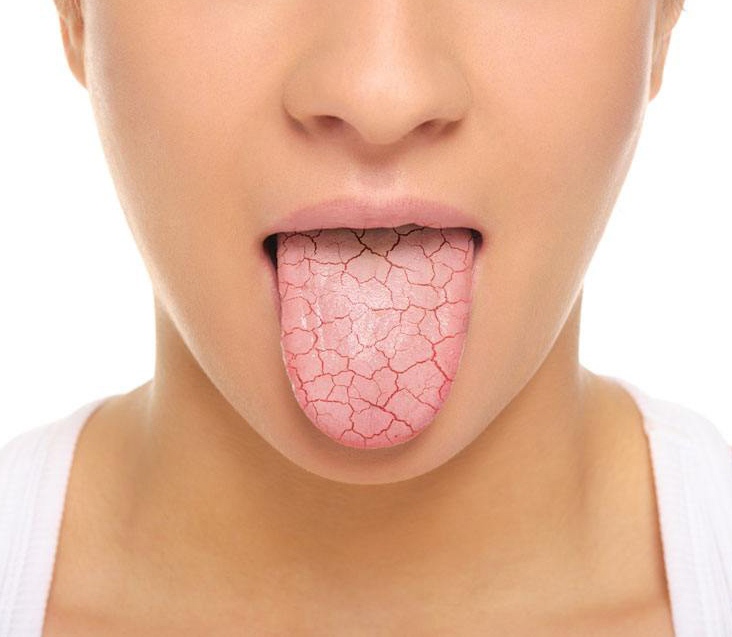
- Rough, sensitive, or burning tongue
- Bad breath is more common
- Thick or stringy saliva
- Discomfort when talking for a long time
- Changes in taste
- Irritation of mucous membranes or recurrent sores
Not everyone experiences all the symptoms. In some cases, the clearest sign is that "the mouth bothers them all day." In others, the patient begins to notice that food sticks to the roof of their mouth, that they need to drink water to sleep, or that certain foods sting more than usual.
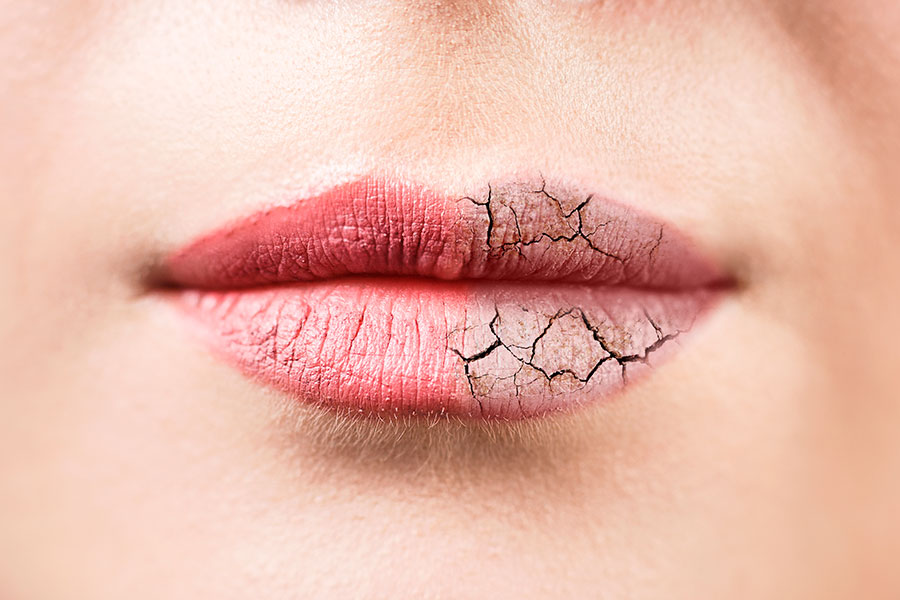
Why saliva is so important for your mouth
Many people only appreciate saliva when it's lacking. And that makes sense, because while it's functioning properly, it goes unnoticed. The problem is that without saliva, the mouth loses its balance.
Saliva helps to wash away food debris and control some of the bacterial load. It also buffers acids, protects mucous membranes, and helps remineralize enamel. When saliva production decreases, tissues become more exposed, and cavities, sensitivity, gum inflammation, fungal infections, or discomfort when wearing dentures may appear earlier.
Simply put: if saliva decreases, the mouth defends itself less effectively.
Causes of dry mouth
Herein lies one of the keys to the problem. Dry mouth can have many different causes, and identifying the cause completely changes the approach.
Medications
This is one of the most common causes. Many medications can reduce saliva production or alter the sensation of oral moisture. These include some antihistamines, antidepressants, anxiolytics, antihypertensives, diuretics, muscle relaxants, and other commonly used treatments.
This is important because many people don't associate their daily medication with dry mouth. However, it's quite common.
Breathing through the mouth and sleeping with the mouth open
Some patients have no underlying medical condition and are not taking any problematic medications, yet they wake up every morning with intense dryness. In many cases, mouth breathing, snoring, chronic nasal congestion, or sleeping with their mouth open are contributing factors.
Stress and anxiety
Dry mouth can also appear temporarily in situations of nervousness, tension, or anxiety. It won't always be chronic xerostomia, but it can create an uncomfortable cycle: the more anxiety, the more dryness; the more dryness, the more discomfort.
Dehydration
Not drinking enough water, sweating a lot, having a fever, vomiting, diarrhea, or spending time in very dry environments can make your mouth feel drier.
Hormonal changes and age
With age, the factors that contribute to dry mouth increase, especially due to increased medication use and certain associated illnesses. In addition, some hormonal phases can also influence the perception of dryness, although not always in isolation.
Systemic diseases
There are diseases that can be associated with xerostomia, such as Sjögren's syndrome, diabetes, or other autoimmune disorders. In these cases, dry mouth should not be considered in isolation, but rather as part of a larger clinical picture.
Radiotherapy or cancer treatments
Radiation therapy to the head and neck can directly affect the salivary glands. In these patients, dry mouth can be severe and persistent, requiring careful dental monitoring.
Tobacco, alcohol, and some daily habits
Smoking, frequent alcohol consumption, or overuse of mouthwashes containing alcohol can worsen dry mouth in some patients. Caffeinated beverages can also contribute to dry mouth, especially when combined with poor hydration.
When does dry mouth become a real problem?
Occasional dryness isn't always a problem. The issue arises when the sensation recurs daily or is accompanied by visible consequences.
For example, when someone says:
“For months now, my mouth has always been dry.”.
“I find it difficult to eat bread, toast, or cookies.”.
“I get sores every so often.”.
“My bad breath has gotten really bad.”.
“I get cavities even though I brush my teeth well.”.
That's the moment when it's worth having a complete oral examination. Because often the damage isn't just visible in how the person feels, but also in how their teeth, gums, and mucous membranes are changing.
Risks of not treating dry mouth
This is where the problem is most often underestimated. Dry mouth isn't just uncomfortable; it can also lead to various oral health problems.
Higher risk of cavities
Reduced salivary flow increases the likelihood of cavities, including cavities in cervical and root areas, which can progress rapidly if there is also plaque and a diet high in sugars or acids.
Bad breath
Saliva helps cleanse and balance the mouth. If saliva levels decrease, certain compounds and bacteria can contribute to bad breath. This directly links to problems already explained in your article on... bad breath, where the importance of keeping the mouth hydrated is also mentioned.
Irritation and sores in the mouth
Dry mucous membranes are more prone to injury. There may be burning, sensitivity, small sores, and discomfort when eating salty, hot, spicy, or acidic foods. This is also linked to conditions such as... wounds in the mouth, which can worsen if the oral environment is poorly protected.
Fungal infections
Oral candidiasis occurs more easily when the balance of the mouth is disrupted. Xerostomia (dry mouth) is one of the factors that can promote these infections.
Sensitivity and wear
With less saliva, tooth enamel and surfaces are more exposed to acids. This can lead to discomfort, sensitivity, and worsening of problems such as [unclear - possibly "tooth decay" or "cavity"]. dental erosion.
Problems with prostheses
People who wear removable dentures or complete dentures may experience a much poorer fit, chafing, and discomfort if their mouth is dry. Saliva plays a role in lubrication and adaptation.
Dry mouth and quality of life
It's not all a medical issue. Dry mouth also affects everyday life. It can make eating uncomfortable, speaking during a meeting awkward, or getting a good night's sleep more difficult. In some cases, it even impacts a person's social life: they may avoid going out, avoid talking much, or be afraid of bad breath.
That's why it shouldn't be dismissed as a minor symptom. When it persists, it ends up affecting well-being, sleep, eating habits, and self-esteem.
How is dry mouth diagnosed in a doctor's office?
In a dental clinic, we don't just hear "I have a dry mouth" and that's it. The first thing is to understand the context.
What do we usually value?
- When did the dryness start?
- Does it happen all day or only at night?
- What medication is the patient taking?
- If there is a relevant medical history
- If there are recurring cavities, bad breath, or infections
- How are the tongue, mucous membranes, gums, and teeth?
- If there is plaque, demineralization, or irritation
- If the patient wears a prosthesis or braces
From there, it is assessed whether we are dealing with a mild problem that can be managed through habits and hygiene, or whether it is necessary to coordinate with the doctor due to suspicion of a systemic or pharmacological cause.
Dry mouth treatment
There is no single solution for all patients, because the approach depends heavily on the cause. But there are measures that often help a great deal.
Improve hydration
It may seem obvious, but it's not always done correctly. It's not about drinking a lot all at once, but about maintaining stable hydration throughout the day.
Stimulate saliva
For some patients, chewing sugar-free gum or using specific products that promote saliva flow can be helpful. This can relieve the sensation of dryness, especially if saliva production is not yet severely compromised. The ADA itself mentions sugar-free gum or candy as one of the options that can help stimulate saliva.
Review irritating habits
Reducing tobacco, alcohol, mouthwashes with alcohol, and highly irritating foods can significantly improve oral comfort in some cases.
Maintaining hygiene with greater precision
Dry mouth requires very careful, yet gentle, oral hygiene. Reinforcing brushing, interdental cleaning, and regular checkups is usually key, as the risk of plaque, biofilm, and cavities increases. This aligns well with linking to cleaning and dental check-up and also to your content about dental biofilm.
Use appropriate products
There are pastes, gels, and saliva substitutes designed for patients with xerostomia. Not all of them are suitable for every case, so it's best to choose the right one for each patient.
Protect your teeth
When there is already a high risk of cavities or demineralization, it may be necessary to reinforce prevention with specific measures in consultation.
Address the underlying cause
If the problem stems from mouth breathing, medication, a systemic illness, or a specific medical condition, that underlying cause must be addressed. Without it, relief will only be partial.
What you can do at home if you have a dry mouth
Although a professional diagnosis is necessary when symptoms persist, there are several practical steps that often help:
Drink water frequently
Small sips throughout the day usually work better than large amounts all at once.
Avoid excessive consumption of coffee, alcohol, and tobacco.
They are not always the cause, but they often worsen the feeling of dryness.
Chew sugar-free gum if that helps.
It may help stimulate saliva in some patients.
Be mindful of mouthwashes
If they contain alcohol, they can worsen discomfort in certain sensitive mouths.
Use consistent, but gentle hygiene.
The idea is not to brush harder, but better.
Don't ignore the signs
If in addition to dry mouth you have new cavities, a burning tongue, cracks, persistent bad breath or discomfort when eating, it's time to get it checked out.
Foods and drinks that can help or worsen
In consultations, this aspect often makes a difference. Some patients improve significantly simply by adjusting minor things.
What usually helps
- Water distributed throughout the day
- Juicy meals
- Sugar-free chewing gum is recommended.
- Avoid prolonged fasting if it worsens dryness.
What can make things worse
- Alcohol
- Tobacco
- Very salty or spicy foods if irritation is already present
- Excessive consumption of very acidic or sugary drinks
- Very dry environments without sufficient hydration
This is especially relevant because, if dryness is also present, frequent exposure to acidic drinks can increase the risk of wasting. That's where linking to your article on [topic] makes sense again. dental erosion.
Dry mouth at night: why it's so common
It's one of the most common questions. Many people only notice a dry mouth when sleeping or waking up. In those cases, we usually consider several possibilities:
- Breathing through the mouth
- Snoring
- Nasal congestion
- Nighttime medication
- Dry atmosphere in the room
- Reduced natural saliva production during sleep
If it only happens at night and there are no other complications, it can sometimes improve by correcting habits. If it also happens during the day or there are already associated dental problems, further investigation is recommended.
Dry mouth in older people
We need to be subtle here. Not because age alone "causes" xerostomia, but because over the years factors accumulate that make it more likely: polypharmacy, chronic diseases, prostheses, decreased hydration, or functional changes.
Furthermore, in older adults, dry mouth can go unnoticed until cervical cavities, candidiasis, pain when eating, or difficulty using removable dentures appear. In these cases, prevention is even more important.
Dry mouth and dentures
When a patient wears removable dentures or complete dentures, saliva plays a very important role in comfort and stability. If saliva is lacking, the dentures may rub more, move less easily, and be more uncomfortable. It also increases the risk of irritation to the mucous membranes.
Therefore, in patients with dentures and dry mouth, a checkup doesn't just examine the mouth: it also checks the fit and condition of the dentures. Here, it makes a lot of sense to link internally to your content about... Dentures: Types, Care, and Benefits.
Relationship between dry mouth, stains and tooth decay
Dry mouth can also be behind certain visible changes in teeth. When oral balance deteriorates, the risk of demineralization can increase, and altered areas of enamel may appear or worsen. This is related to foods such as white spots in the teeth, where you already mention xerostomia as a risk factor.
When should you make an appointment?
You don't have to wait until things are really bad. It's worth checking your mouth if:
- The dryness lasts for more than two or three weeks
- You wake up every day with a very dry mouth
- You have persistent bad breath.
- You frequently get sores or cracks.
- Notes of difficulty swallowing or speaking
- Your cavities have spiked.
- You wear a prosthesis and you tolerate it worse and worse.
- You have burning, stinging, or changes in taste
What do we do at Acedo Dental Clinic if you have a dry mouth?
In an initial assessment, we review the general condition of your mouth and look for signs that often go unnoticed outside of a consultation: initial cavities, mucosal irritation, accumulated plaque, inflammation, wear, or problems with prosthesis adaptation.
The goal then becomes not only to relieve the sensation of dryness, but also to protect the mouth from its consequences. To achieve this, a combination of prevention, monitoring, and personalized treatment can be key. For patients in Seseña and El Barco de Ávila, this approach is especially useful because it allows the problem to be addressed before it leads to recurrent cavities, infections, or more serious discomfort.
Patient's opinion
“For months I had been waking up with a dry mouth and thought it was normal. I started noticing bad breath, it bothered me to eat certain things and even to talk for long periods. At Acedo Dental Clinic they explained that it wasn't something to take lightly, they examined my entire mouth and gave me very clear guidelines. In just a few weeks I noticed a significant improvement and, above all, I understood how to take care of myself so it wouldn't get worse.”
Frequently asked questions about dry mouth
Does dry mouth always mean I have little saliva?
Not always. Xerostomia is the sensation of dryness, and sometimes it coincides with an objective reduction in salivary flow, and sometimes it doesn't. But if the symptom persists, it's worth investigating.
Can dry mouth cause cavities?
Yes. Saliva protects teeth and helps neutralize acids. When saliva production decreases, the risk of cavities and demineralization increases.
Is it normal to wake up with a dry mouth?
It may happen occasionally, but if it happens to you every day, it's worth checking if you breathe through your mouth, snore, take certain medication, or have another underlying problem.
Which doctor or specialist treats dry mouth?
It depends on the cause. The dentist can detect the problem, assess its effects on the mouth, and guide the case. If they suspect a systemic or drug-related cause, they may recommend further medical evaluation.
Does drinking water solve dry mouth?
It helps, but it's not always enough. If the cause is medication, an underlying disease, or a significant alteration in salivary flow, a more comprehensive approach is needed.
Does sugar-free gum help with dry mouth?
In some patients, yes, because it can stimulate saliva production. It doesn't replace a diagnosis and isn't equally effective for everyone, but it can provide relief.
Can anxiety cause dry mouth?
Yes, it can either help or worsen it, especially temporarily. Even so, if the symptom persists, it's not advisable to attribute everything to nerves without having your mouth checked.
Does dry mouth cause bad breath?
It can contribute significantly. With less saliva, the mouth is less effectively cleaned, and this can lead to bad breath.
Is there a treatment for dry mouth?
Yes, but treatment depends on the cause. It may include lifestyle changes, specific products, dental prevention, and, in some cases, a thorough medical examination.
When should I worry about dry mouth?
When it lasts for several weeks, interferes with eating or speaking, wakes you up at night, or is accompanied by cavities, burning, sores, infections, or persistent bad breath.
Dry mouth shouldn't be ignored.
Dry mouth can start as a minor annoyance and end up causing much more serious problems if not addressed early. The good news is that, when detected properly, it can usually be controlled and, above all, many of its consequences can be prevented.
If you experience frequent dry mouth, bad breath, burning, or increased sensitivity, at Acedo Dental Clinic we can help you diagnose the problem and protect your mouth before it worsens. If you're in Seseña or El Barco de Ávila, scheduling a checkup early can save you a lot of trouble later.
Book your appointment today and wear a smile healthy, without discomfort and radiant to be proud of.
How can I book my appointment?
Booking your free appointment is very simple:
If you are in Seseña:
- Address: Tirso de Molina Street 22, 45223 Seseña
- Phone: 669 956 658
If you are in El Barco de Ávila:
Our customer service team will assist you with kindness and help you schedule your appointment at a time that best suits you.
We will wait for you!
