

Gingivitis is a common gum disease that can affect your smile and overall oral health. At Acedo Dental we are specialists in treating gingivitis. We care about the overall health of your mouth, and that includes keeping your gums in optimal condition. In this article, we will explore the causes of this disease and how you can prevent it to maintain a healthy and radiant smile.
- What is gingivitis and why is it important?
- Causes of gingivitis
- Prevention and treatment of gingivitis
- Etiology of gingivitis
- How to identify gingival bleeding and when to see a dentist
- Causes of gingivorrhagia
- Frequently asked questions about gingivitis
What is gingivitis and why is it important?
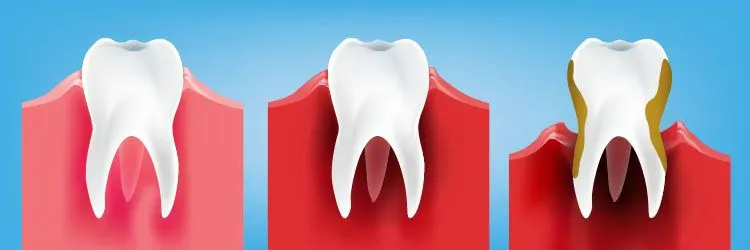
Gingivitis is an inflammatory gum disease that is usually caused by poor oral hygiene. It is characterized by red, swollen gums that are prone to bleeding during brushing or flossing. If not treated properly, it can progress to periodontitis, a more serious disease that can lead to tooth loss.

Causes of gingivitis
Accumulated dental plaque
Dental plaque is a sticky layer of bacteria that constantly forms on your teeth. If not removed properly by brushing and flossing, it can irritate the gums and lead to this disease.
Bad oral hygiene habits
Failure to brush and floss regularly and properly can allow plaque to build up and cause irritation to the gums, leading to gingivitis.
Smoking
Smoking reduces the body's ability to fight infection, which can increase the risk of developing gingivitis and other gum diseases.
Hormonal changes
Hormonal changes during puberty, pregnancy or menopause can increase gum sensitivity and make them more prone to gingivitis.

Prevention and treatment of gingivitis
Prevention of this disease focuses on maintaining good oral hygiene and regularly visiting the dentist for checkups and professional cleanings. Some measures you can take to prevent this disease include:
- Brush your teeth at least twice a day with a soft toothbrush and fluoride toothpaste.
- Floss daily to remove plaque and food debris between your teeth.
- Limit consumption of sugary foods and drinks that can contribute to plaque formation.
- Quit smoking if you are a smoker.
- Schedule regular visits to the dentist for checkups and professional cleanings.
- If you already have gingivitis, treatment usually includes a professional cleaning to remove accumulated plaque and tartar, as well as instructions on proper oral hygiene at home.
Etiology of gingivitis
The etiology of gingivitis is primarily related to the accumulation of bacterial plaque at the gum line. This plaque is a sticky film composed of bacteria that, if not removed with good daily oral hygiene, can cause gum inflammation. Other factors that contribute to the development of gingivitis include hormonal changes (such as during pregnancy or puberty), smoking, certain systemic diseases (such as diabetes), the use of medications that reduce saliva production or affect gingival tissue, and poor nutrition. In all cases, the key to preventing and treating gingivitis is maintaining proper oral hygiene and visiting the dentist regularly.
How to identify gingival bleeding and when to see a dentist
The gingivorrhea It manifests itself mainly as a persistent or excessive bleeding from the gums, especially when brushing or flossing. Unlike occasional bleeding, this symptom is often accompanied by swollen, red, and tender gums. In some cases, there may also be bad breath or discomfort when chewing. If bleeding is frequent or occurs without an apparent cause, it is essential to see a dentist for a professional evaluation. Early detection of gingival bleeding allows for... avoid complications such as periodontitis, a disease that can cause tooth loss. Don't ignore this warning sign: a timely check-up can make all the difference in your oral health.
Causes of gingivorrhagia
The gingivorrhea is the medical term used to refer to bleeding gums. It can appear spontaneously or when brushing your teeth, and is usually a sign of inflammation or gum disease, such as gingivitis wave periodontitisIt can also be related to vitamin deficiencies, hormonal changes, poor oral hygiene, or even clotting disorders.
Oral causes
- Gingivitis: inflammation of the gums due to the accumulation of bacterial plaque.
- Periodontitis: advanced gum disease that affects the dental bone.
- Brushing too aggressively or incorrect use of dental floss.
- Poor oral hygiene: promotes the proliferation of bacteria.
- Use of poorly fitting prostheses or appliances that irritate the gums.
Systemic or general causes
- Vitamin C deficiency (scurvy) either vitamin K, which affect coagulation.
- Hormonal changes: such as during pregnancy or puberty.
- Coagulation disorders: like hemophilia or leukemia.
- Diabetes: increases the risk of oral infections.
- Side effects of medications: such as anticoagulants or certain anticonvulsants.
Additional risk factors
- Smoking
- Chronic stress
- Immunosuppression (due to illnesses or treatments such as chemotherapy)
Frequently asked questions about gingivitis
What are the symptoms of gingivitis?
Symptoms of this disease include red, swollen, bleeding gums, persistent bad breath, and tender gums.
Can gingivitis be cured?
Yes, it can be reversed with proper treatment and good oral hygiene at home.
Does gingivitis cause tooth loss?
If left untreated, this disease can progress to periodontitis, a more serious disease that can lead to tooth loss..
Schedule an appointment at Acedo Dental to take care of your gums
If you are experiencing symptoms of gingivitis or simply want to make sure your gums are healthy, do not hesitate to contact us at Acedo Dental. Call 918 088 983 or 669 956 658 or visit us at Calle Tirso de Molina, 22, Seseña, to schedule a consultation. Our team of experts will be happy to help you maintain a healthy and radiant smile. Don't wait any longer to take care of your gums!
