
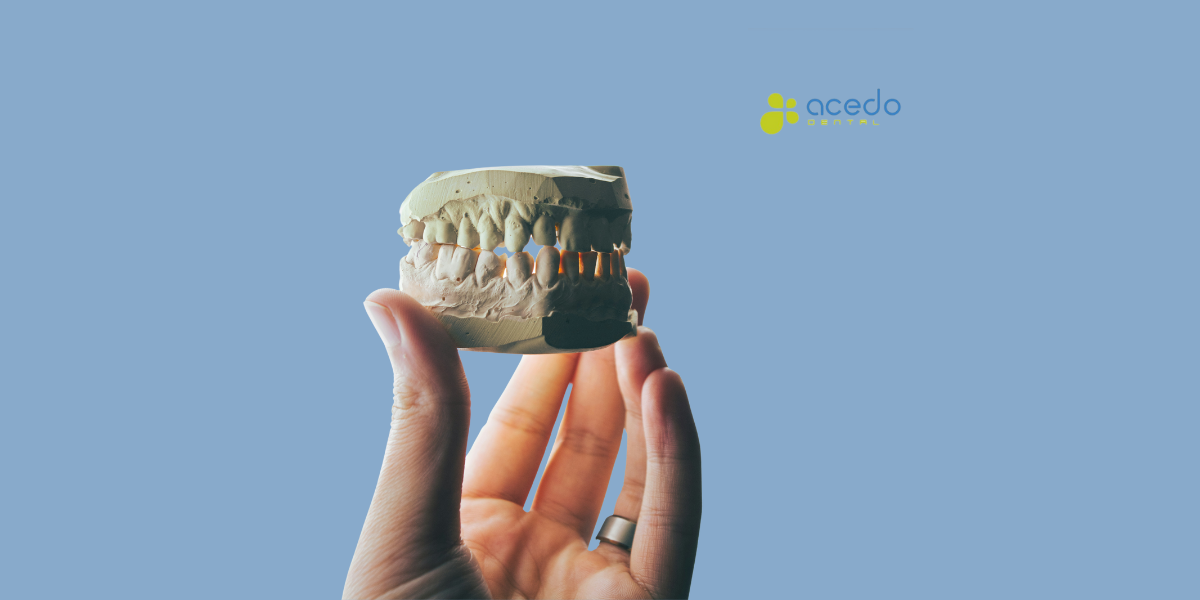
Baby teeth, also known as primary or temporary teeth, play a crucial role in childhood development. They are essential for chewing, speaking, and maintaining proper spacing for permanent teeth. However, many parents wonder when they should appear and when they should fall out. In this blog, we will explore the process of teeth appearing and disappearing, offering clear guidance so that parents know what to expect at each stage of their child's dental growth.

- What are baby teeth and why are they important?
- Baby teeth appear: when do they start to come out?
- When should baby teeth start to fall out?
- What to do when baby teeth don't fall out on time?
- Care during the loss of baby teeth
- Importance of regular visits to the dentist
- Frequently asked questions about baby teeth
What are baby teeth and why are they important?
These are the first teeth to appear in a child's mouth. Although they will eventually be replaced by permanent teeth, they perform essential functions during childhood. These teeth not only help with chewing and speaking, but also serve as guides for the correct alignment of permanent teeth.
Baby teeth appear: when do they start to come out?
The eruption of these varies from child to child, but usually begins between 6 and 10 months of age. Here is a general timeline of when they usually appear:
- Lower central incisors: between 6 and 10 months.
- Upper central incisors: between 8 and 12 months.
- Upper lateral incisors: between 9 and 13 months.
- Lower lateral incisors: between 10 and 16 months.
- Upper first molars: between 13 and 19 months.
- First lower molars: between 14 and 18 months.
- Upper canines: between 16 and 22 months.
- Lower canines: between 17 and 23 months.
- Lower second molars: between 23 and 31 months.
- Upper second molars: between 25 and 33 months.
When should baby teeth start to fall out?
Baby teeth begin to fall out around age 6, making way for permanent teeth. This process is called exfoliation and continues until a child is about 12 or 13 years old. The order of shedding usually reflects the order in which baby teeth came in, although there may be variations. Here is a rough timeline:
- Lower central incisors: between 6 and 7 years old.
- Upper central incisors: between 7 and 8 years old.
- Upper and lower lateral incisors: between 7 and 8 years old.
- Upper and lower first molars: between 9 and 11 years old.
- Lower canines: between 9 and 12 years old.
- Upper canines: between 10 and 12 years old.
- Upper and lower second molars: between 10 and 12 years old.
What to do when baby teeth don't fall out on time?
In some cases, baby teeth may take longer to fall out or not fall out at all, which can cause problems with the alignment of permanent teeth. If permanent teeth start to come in before baby teeth have fallen out, it may be necessary to consult a dentist to consider removing the baby tooth.
Care during the loss of baby teeth
It is essential to maintain good dental hygiene during the transition from baby teeth to permanent teeth. This includes brushing at least twice a day with a child-friendly toothpaste, flossing, and visiting the dentist regularly. During this period, it is common for children to experience discomfort or pain when a baby tooth is about to fall out. To relieve the pain, you can use home remedies such as ice or cold foods, or consult your dentist about safe pain management options.
Importance of regular visits to the dentist
Regular dental visits are key to ensuring your child's dental development is on track. A dentist can monitor the eruption and loss of primary teeth, identify potential problems, and provide treatment if necessary. Additionally, these visits are an excellent opportunity to educate children about the importance of dental hygiene.

Frequently asked questions about baby teeth
What happens if my child loses a baby tooth early?
If a baby tooth falls out too early, a space maintainer may be needed to prevent problems with the alignment of the permanent teeth.
Is it normal for my child to have a gap between his or her baby teeth?
Yes, it is normal for children to have gaps between their baby teeth. These gaps allow the larger permanent teeth room to grow.
What do I do if a baby tooth doesn't fall out and the permanent tooth is already coming out?
It is important to consult a dentist, as it may be necessary to extract the baby tooth to avoid alignment problems.
When should my child visit the dentist for the first time?
It is recommended that children visit the dentist for the first time around their first birthday or when their first tooth emerges.
Do baby teeth fall out?
Yes, baby teeth fall out between the ages of 10 and 12. They are replaced by permanent teeth, which finally erupt around age 13.
The process of baby teeth coming in and out is an important milestone in childhood development. Knowing the typical schedule of eruption and loss of these teeth can help parents know what to expect and when to seek dental advice. If you have any concerns about your child's teeth, please do not hesitate to contact Acedo Dental Clinicsl for an evaluation
Schedule a consultation at Acedo Dental
If you want to start showing off your smile, now is the time to start taking care of your smile. Call now at 669 95 66 58 to schedule your appointment at our Seseña clinic or at 606 886 468 for our clinic in El Barco de Ávila. It's the first step towards a dazzling, confident smile!
