
Dental filling is a common treatment in dental clinics to treat cavities and restore the functionality of a damaged tooth. However, one of the most frequently asked questions by patients after this procedure is whether they can eat immediately afterward. According to Oral-bEating too soon after a filling can affect the durability of the filling and cause discomfort. In this blog, we explain everything you need to know about post-filling care, the types of foods recommended, and how long you should wait before eating again.
- Why is it important to wait after a filling?
- Types of fillings and their hardening time
- Recommended foods after placing dental resin
- What foods and habits to avoid after a dental filling
- Frequently Asked Questions About Dental Fillings
Why is it important to wait after a filling?
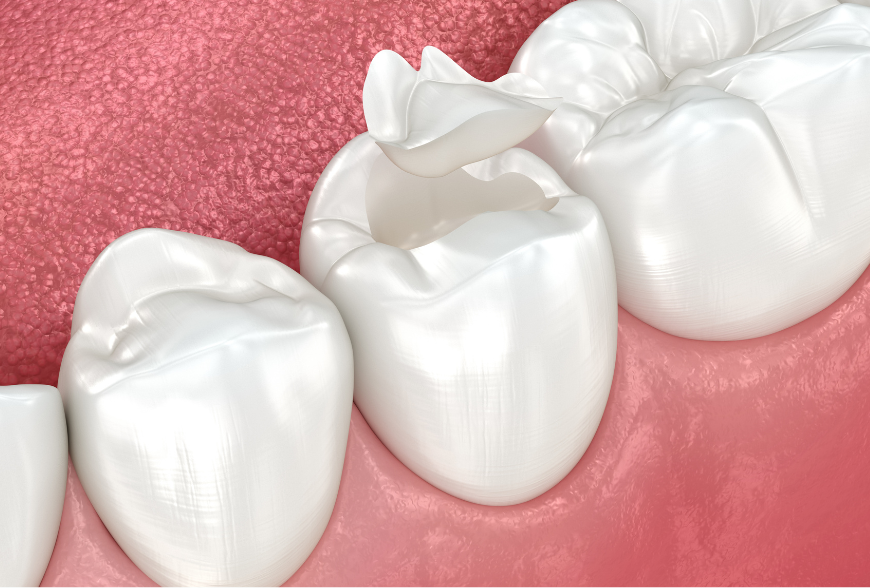
After a dental filling, the material needs time to fully harden and bond to the tooth structure. Eating before this time can affect the durability of the filling and even cause the treatment to not work properly. This waiting time depends on the type of material used and the specific instructions of the dentist.
Healthy eating after a filling not only helps take care of the restored tooth, but also promotes oral health generalFor example, eating fruits and fiber-rich foods stimulates saliva production, a natural mechanism that fights cavities by remineralizing enamel and neutralizing harmful acids. This is clearly explained by Oral-B in its article on Eating habits that promote healthy teeth, where they highlight how saliva acts as a natural defense against bacteria that cause cavities.
Types of fillings and their hardening time
The length of time you have to wait before eating can vary depending on the type of filling used. Below, we explore the main types of fillings and their hardening time:
Amalgam fillings
Amalgam is one of the most durable materials, but it requires a longer hardening time. Generally, the patient must wait at least 24 hours before consuming solid foods.
Composite fillings
Composite, a resin material, is becoming increasingly popular for its aesthetic appeal and rapid adhesion. Although it hardens quickly under UV light, it is advisable to wait 1 to 2 hours after the procedure.
Ceramic fillings
Ceramic fillings offer excellent durability and aesthetics. They require a minimum period of 2 hours before eating, although it is always ideal to consult with the dentist.
Recommended foods after placing dental resin
It is crucial to choose your food carefully after a filling to avoid damaging your restoration or experiencing discomfort. Below are some recommendations for safe foods to avoid after a filling.
Safe Foods to Eat
Purees and warm soups: They are easy to chew and do not require much effort.
Soft fruits like bananas: Its soft texture minimizes the impact on the filling.
Yogurt and sugar-free ice cream: Its freshness also helps to relieve possible post-treatment discomfort.
Avoid eating after a filling
Hard foods like nuts and crackers: It can affect the filling, especially if it is recent.
Sticky foods like candy: These tend to stick to the teeth and can damage the filling.
Very hot or cold drinks: Extremely sensitive, they can cause pain in teeth with recent fillings.
How long should you wait to eat after a filling?
The recommended time for eating will depend on the type of filling and the instructions of the dental professional:
Amalgam fillings: Wait at least 24 hours before eating solid foods.
Composite fillings: You can eat soft foods after 1-2 hours, but avoid solids until 4 hours have passed.
Ceramic fillings: Although the waiting period is usually shorter, avoid hard foods in the first 12 hours.
Tips for taking care of your fillings in the long term
To ensure the durability of your fillings, follow these long-term care tips:
Maintain proper dental hygiene: Brush and floss twice a day to prevent plaque buildup.
Avoid chewing hard objects: Practices such as biting pencils or opening packages with your teeth can damage the filling.
Make regular visits to the dentist: This will allow your dentist to assess the condition of the filling and make any necessary adjustments if needed.
Just like after a filling, diet also plays a crucial role after other dental procedures, such as wisdom teeth extraction, where dietary guidelines must be followed. specific care to promote good recovery.
What foods and habits to avoid after a dental filling
After a filling, just as important as choosing the right foods is knowing which ones to avoid. This will help protect the treatment and reduce the risk of discomfort or complications in the days following.
- Hard and crunchy foods: Nuts, toast, popcorn, or chips can put too much pressure on the newly placed filling and cause microcracks or even loosening.
- Sticky foods: Soft candies, chewing gum, nougat, or dried fruit stick to the tooth and the material, increasing the chances of the filling becoming dislodged.
- Very hot or very cold drinks: the tooth sensitivity It is common after a filling, and these temperature contrasts can accentuate it in an uncomfortable way.
- Very acidic foods: Citrus fruits, vinegars, or sauces with high acidity levels can weaken the filling seal, especially if consumed repeatedly.
- Chewing objects or opening packages with your teeth: This habit, although common, poses a great risk to the stability of any filling.
Additional adviceAvoid smoking for the first few hours after the filling, as the heat and tobacco compounds can affect the setting of the material and delay gum healing.
Frequently Asked Questions About Dental Fillings
What happens if I eat too early after a filling?
Eating before the recommended time can weaken the filling and reduce its durability. It is essential to follow your dentist's instructions to ensure the effectiveness of the treatment.
Can I drink hot or cold beverages after a filling?
It is best to avoid extreme temperatures in food and drink for the first 24 hours. Temperature changes may cause sensitivity in the treated area.
Are dental fillings visible?
The visibility of a filling depends on the material. Composite or ceramic fillings are designed to be tooth-colored, making them almost imperceptible.
How long do dental fillings last?
With proper care, fillings can last between 5 and 15 years, depending on the material used and the patient's hygiene habits.
Can you smoke after a filling?
Smoking is not recommended after a dental filling. Tobacco can interfere with the healing process, especially if anesthesia was used or the filling is recent. Smoking also increases the risk of staining the filling material and can promote infection or sensitivity. It's best to wait at least 24 hours before smoking and, if possible, take advantage of this time to reduce or quit smoking, as smoking also negatively affects the gum health and teeth.
After getting a dental filling, choosing the right foods and waiting times before chewing can make a difference in your recovery. But these guidelines aren't exclusive to fillings. If you wear removable dentures or are thinking about doing so, it's also essential to consider your diet and daily care. We'll tell you more about these in our blog. Types of dentures, their care and benefitsCheck it out and discover how to keep your smile healthy for the long term.
Schedule a consultation at Acedo Dental
If you want to start showing off your smile, now is the time to start taking care of your smile. Call now at 669 95 66 58 to schedule your appointment at our Seseña clinic or at 606 886 468 for our clinic in El Barco de Ávila. It's the first step towards a dazzling, confident smile!
