
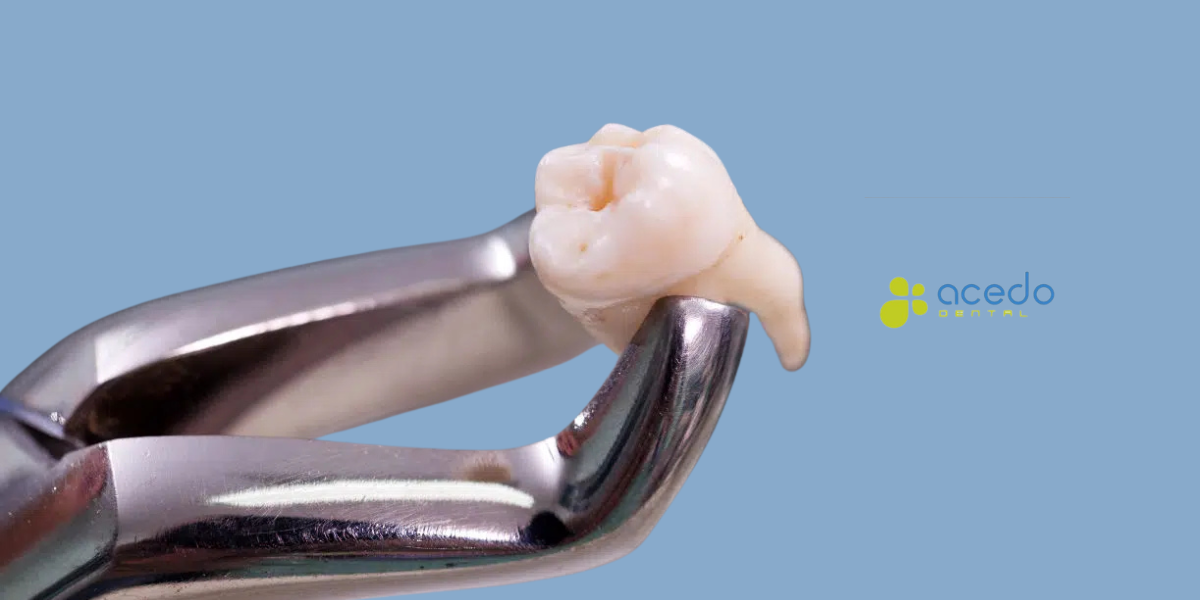
Undergoing this type of dental procedure often generates certain doubts and concerns in patients once they leave the clinic. Knowing exactly what to do after a tooth extraction is essential to ensure that the healing process is quick, painless, and free of any complications or infections. The mouth is a very sensitive area and is exposed to a multitude of bacteria, so the guidelines you follow at home will determine the success of the procedure almost as much as the work done in the office.
Leading medical institutions such as the United States National Library of Medicine (MedlinePlus) They emphasize the importance of keeping the blood clot in place and maintaining meticulous hygiene to protect the bone and underlying nerves. In this article, we will detail each step you should take from the moment you leave the clinic until the wound is completely healed, addressing diet, hygiene, and discomfort management. Furthermore, if you are considering replacing the missing tooth after your recovery, remember that we offer advanced treatments for dental implants to restore the functionality and aesthetics of your smile.
Immediate care during the first few hours after surgery
The first 24 hours are the most critical period in the dental recovery process. Immediately after the tooth is extracted, the dentist will place a sterile gauze pad over the treated area. Your main goal at this time is to maintain firm, constant pressure by biting down on that gauze for at least 30 to 45 minutes. This mechanical action stops the initial bleeding and promotes the formation of a blood clot, which acts as a natural protective plug over the socket left by the root. If you notice that the bleeding is still heavy when you remove the first gauze pad, you should place a new, clean gauze pad and maintain pressure for another 30 minutes.
During this first day, rest is essential. You must avoid any kind of physical exertion, such as lifting weights, running, or going to the gym. An increased heart rate and blood pressure can cause the wound to bleed again, destroying the newly formed clot. It is also very important to keep your head elevated. When lying in bed or on the sofa, use two or three pillows to keep your head above the level of your heart, thus reducing blood flow to the jaw and minimizing swelling.
Another key factor in these first few hours is controlling your mouth movements. Avoid spitting forcefully, as the suction created in the oral cavity can dislodge the clot. For this same reason, it's strictly forbidden to use straws, slurp liquids forcefully, or rinse your mouth vigorously. Try to speak as little as possible and don't touch the area with your tongue or fingers, no matter how curious you are. Rest and relaxation are your best allies as the healing process begins.
How to effectively control pain and inflammation
It's completely normal to experience discomfort, tenderness, and noticeable swelling in the cheek or jaw in the days following the procedure. To manage the pain, you must strictly follow the medication regimen prescribed by your dentist or surgeon. This typically includes pain relievers and anti-inflammatories that should be taken before the local anesthetic wears off completely. Don't wait until the pain is unbearable to take the medication; it's much easier to prevent and control pain than to try to soothe it once it has reached a peak intensity.
Swelling typically peaks between the second and third day after extraction. To minimize swelling and reduce bruising, applying cold is highly effective. For the first 24 hours, wrap an ice pack or a package of frozen vegetables in a thin cloth and apply it to the outside of your cheek, directly over the affected area. Keep the cold on for 15 minutes, then rest for 15 minutes to avoid skin burns. Repeat this cycle as often as possible during the first day.
From the third day onward, if the area remains swollen or your jaw muscles feel stiff, the strategy changes. Instead of cold, you should begin applying moist heat. A warm compress on your cheek will help stimulate blood circulation in the area, which speeds up healing and relaxes muscle tension caused by keeping your mouth open during the procedure or by the trauma of the extraction itself. If at any point you notice that the pain suddenly increases after it has improved, or if medication fails to relieve it, it is essential that you contact the clinic to rule out complications.
Recommended diet to protect gums
Diet plays a crucial role in your recovery. What you eat and how you eat it can make the difference between a quick recovery and the onset of painful problems. For the first few days, your diet should be strictly soft and at a cool or room temperature. Heat dilates blood vessels and promotes bleeding, so you should avoid hot coffee, steaming soups, or freshly brewed teas. Opt for foods that require minimal chewing and are easy to swallow.
The best options for the first 48 hours include yogurt, apple or pear compote, warm or cold vegetable purees, fruit smoothies, ice cream, gelatin, and custards. Very soft scrambled eggs or mashed potatoes are also excellent alternatives to maintain a good calorie intake without putting the wound at risk. It is very important that you always chew on the side opposite the extraction site. This way, you prevent food particles from being deposited directly on the sensitive area.
There are certain foods and habits you should completely eliminate from your diet for at least a week. Avoid anything crunchy, hard, or that splinters easily, such as nuts, potato chips, hard cookies, or toast. These foods can create small, sharp fragments that can become lodged in the injured gum, causing pain and infection. Likewise, avoid small seeds (sesame, chia, strawberries) or grains like rice, which can easily become trapped inside the tooth socket. Of course, alcohol is completely contraindicated, as it delays healing and can interact dangerously with any medications you may be taking.
Oral hygiene guidelines to prevent infections
Keeping your mouth clean is vital, but you must do so with extreme caution to avoid undoing the healing process your body is undergoing. For the first 24 hours after the extraction, you should not rinse your mouth, not even with water, and you should avoid brushing the teeth immediately next to the wound. You can brush the rest of your teeth, but do so with very gentle movements and without forcefully spitting out the toothpaste; simply let the excess paste drip from your mouth into a sink.
Starting on the second day, you can and should resume a more thorough hygiene routine, incorporating salt water rinses. Mix half a teaspoon of salt in a glass of warm water. Do not use this liquid to gargle vigorously. Instead, take a sip, slowly tilt your head from side to side so the water gently washes over the wound area, and then open your mouth over the sink, letting the water flow naturally. The salt acts as a mild, natural disinfectant that helps keep the area free of bacteria and reduces inflammation. Repeat this process three or four times a day, preferably after each meal.
If you have been prescribed a specific chlorhexidine mouthwash, use it exactly as directed, following the instructions for timing and dosage. Resume brushing all your teeth, including those adjacent to the gap, using an ultra-soft-bristled toothbrush. Be very gentle when brushing the affected area to avoid rubbing any sutures or the gum tissue that is forming. A clean mouth provides the perfect environment for the gum to regenerate quickly and without complications.
Possible complications and medical warning signs
Although tooth extractions are routine and safe procedures, there is a risk of complications if proper care is not followed or due to factors related to the patient's own body. The most well-known and feared complication is dry socket (or alveolitis). This occurs when the blood clot that should protect the bone and nerve endings does not form correctly or is dislodged prematurely due to vigorous rinsing, smoking, or suction. When the bone and nerves are exposed, they generate intense, sharp pain that radiates to the ear or neck. This pain typically appears between the third and fifth day after the procedure and is not relieved by common painkillers.
Another potential complication is infection of the treated area. Bacteria present in the mouth can colonize the wound if hygiene is poor or if food debris gets in. Symptoms of an infection include a sudden increase in swelling after several days, extreme redness of the gums, fever, chills, a persistent bad taste in the mouth, and the presence of pus or white or yellowish discharge around the cavity. If any of these signs appear, it is imperative to visit the clinic to begin appropriate antibiotic treatment and have the area professionally cleaned.
Excessive bleeding is also a warning sign. As we mentioned, a slight oozing of blood that tints saliva pink is normal during the first day. However, if your mouth quickly fills with bright red and dark blood, and you can't stop it after biting down firmly on gauze for an hour, you should seek dental assistance. Dental Clinic At Acedo, we have trained professionals at our facilities to assess any abnormalities in your post-operative period and ensure your peace of mind at all times.
Stages and times of gum and bone healing
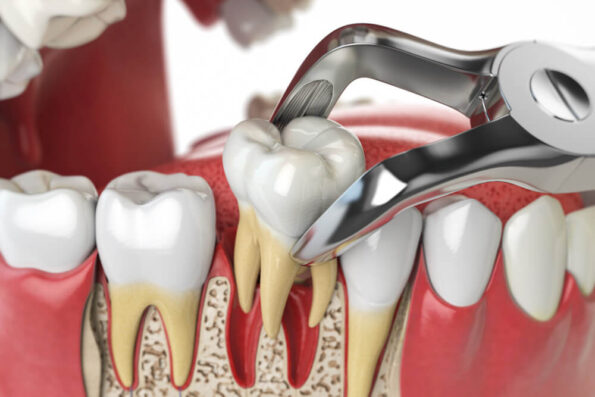
Understanding the natural healing time your body needs will help you stay calm and know if your recovery process is progressing normally. Healing is divided into several phases. In the first three days, the body focuses on stopping the bleeding, forming a clot, and combating acute inflammation. This is the most uncomfortable stage, where rest and a soft diet are most important. During this period, you will see a dark, gelatinous clot occupying the space where the tooth was.
Between the fourth and seventh day, you'll notice a significant improvement. The swelling will gradually decrease, the pain will become a mild discomfort, and any bruising will change color until it disappears. At this stage, gum cells begin to multiply and migrate over the clot to close the wound superficially. You may observe a whitish tissue over the clot; this is usually fibrin, an essential protein in healing, and should not be confused with pus or infection.
Starting in the second week, the hole in your gum will be much smaller, and you probably won't feel any pain anymore. If you had absorbable sutures, they will begin to dissolve on their own at this time. However, even though the surface of the gum may appear healed, the underlying bone that supported the tooth root needs much more time to regenerate. This bone regeneration process is invisible and can take between three and six months to complete. Therefore, if you are planning to get a dental implant, your specialist will assess the ideal time based on the quality of your bone and the type of extraction performed.
A patient's opinion about their recovery experience
We know that facing a tooth extraction can cause anxiety, which is why we always strive to make our patients feel supported and safe. We'd like to share the experience of one of our patients after their visit to our clinic:
«I’d been putting up with the pain for weeks because I was terrified of going to the dentist to have my tooth extracted. Finally, I made an appointment at the Acedo Dental Clinic in Seseña, and I wish I’d done it sooner. The dentist explained step by step what I was going to feel, and the procedure was incredibly quick and painless. They gave me a sheet with all the instructions on what to eat and how to clean my mouth. For the first two days, I just ate yogurt and cold purees as instructed, and applied ice. My face barely swelled, and I didn’t need any painkillers beyond the third day. The team’s care was exceptional; they even called me the next day to ask how I’d slept. I felt very well taken care of at all times.» – Carlos M., a patient at the clinic.
Frequently asked questions about recovery after a tooth extraction
How long does the gum bleed after a tooth extraction?
It's normal for the area to ooze a little blood during the first 12 to 24 hours, mixing with saliva and giving it a pinkish hue. Active, heavy bleeding that quickly fills the mouth is not typical and requires biting down firmly on gauze. If heavy bleeding doesn't stop after an hour of applying pressure, you should contact your dentist.
When can I smoke again after a tooth extraction?
Tobacco is one of the biggest enemies of oral healing. It is strongly recommended not to smoke for at least 72 hours after the procedure, although ideally you should wait a full week. Smoking not only introduces toxins that promote infection, but the act of inhaling smoke creates a vacuum in the mouth that dislodges the blood clot, causing painful dry socket.
Is it normal to have a bad taste in your mouth after having a tooth extracted?
During the first few days you may experience a slightly unpleasant taste or bad breath This is due to the temporary buildup of bacteria, the clotted blood itself, and the inability to brush the area normally. This will improve as you begin rinsing with salt water. However, if the bad taste is very strong, persistent, and accompanied by pain and discharge, it could be a sign of infection.
Can I do sports on the same day as the surgery?
Under no circumstances should you engage in sports, weightlifting, or strenuous physical activity during the first 48 to 72 hours. Increased blood pressure and heart rate from intense exercise can disrupt the protective blood clot and restart bleeding in the wound, seriously complicating recovery.
What happens if the blood clot falls out of the gum?
If the blood clot is lost prematurely, the bone and nerves in the socket are exposed to air, food, and fluids, causing a very painful condition called dry socket. The pain often radiates to the ear or neck. If this occurs, there are no effective home remedies; you must go to the clinic so a professional can clean the area and apply a medicated dressing to relieve pain and promote healing.
How many days does the pain last after a tooth extraction?
The most acute pain is usually concentrated in the first 48 hours and should be well controlled with the prescribed medication. From the third day onward, the discomfort should gradually decrease until it becomes a mild tenderness. If, from the fourth or fifth day onward, you experience increasing or sharp pain, you should request a check-up to rule out complications.
Entrust your oral health care to the team at Acedo Dental Clinic
The success of any dental treatment depends as much on the skill of the professional during the procedure as on the support and explanations given to the patient for their recovery at home. Knowing what to do after a tooth extraction is the best way to avoid unnecessary worries and discomfort.
At Acedo Dental Clinic, we are committed to providing friendly, clear, and trustworthy dentistry, where your well-being is always our top priority. Whether you need an extraction due to deep decay, periodontal problems, or are looking for the best dental implant option to replace a missing tooth, our multidisciplinary team is prepared to offer you the most suitable solution. We invite you to visit us at either of our locations; we have modern facilities and exceptional patient care at both our clinic in Seseña (Toledo) and in El Barco de Ávila (Ávila). Don't let doubts or fear delay taking care of your smile. Contact us today., Book your appointment and leave your oral health in the best hands.
Book your appointment today and wear a smile healthy, without discomfort and radiant to be proud of.
How can I book my appointment?
Booking your free appointment is very simple:
If you are in Seseña:
- Address: Calle Tirso de Molina 22, 45223 Seseña
- Phone: 669 956 658
If you are in El Barco de Ávila:
- Address: C. del Abanico, 10, Local 1, 05600 El Barco de Ávila, Ávila
- Phone: 606 886 468
Our customer service team will assist you with kindness and help you schedule your appointment at a time that best suits you.
We will wait for you!
