
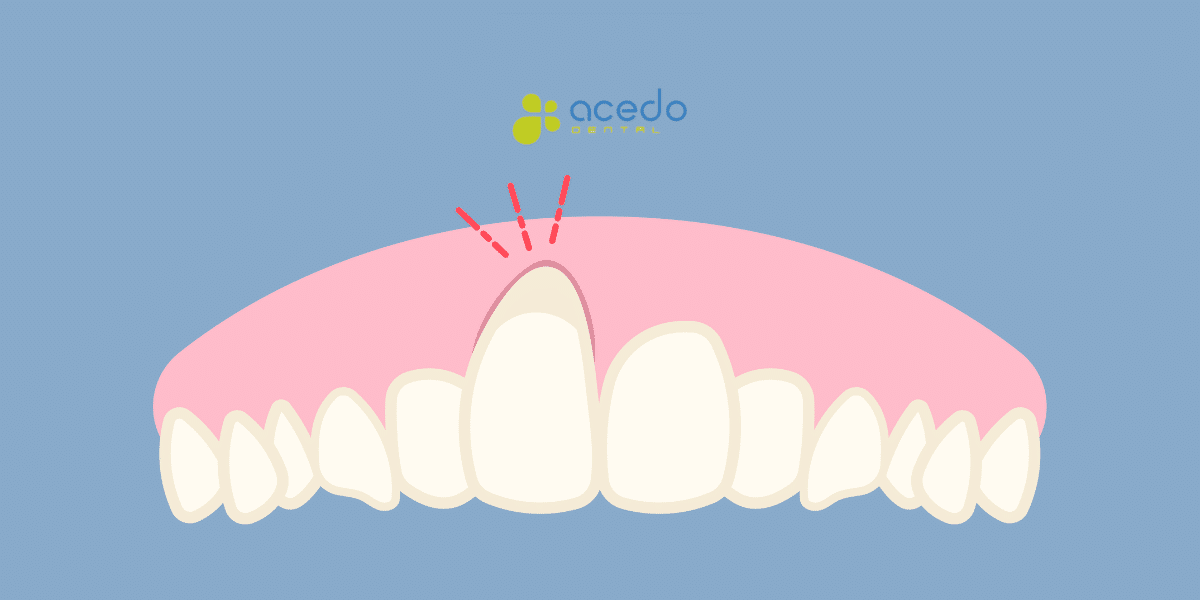
Feeling that your teeth are lengthening or that your gums are "rising" is a more common concern than it seems. This phenomenon, known as receding gums, can go unnoticed for months or even years, but its consequences can be serious if not acted upon in time. In fact, experts warns that this condition may be an early sign of periodontal disease or harmful habits. In this article, we'll explain clearly and completely what receding gums are, why they occur, and how you can prevent and treat them.
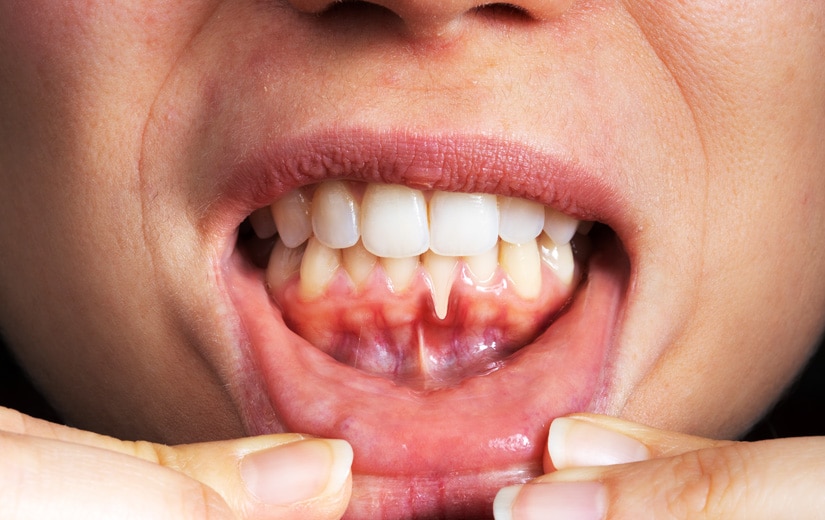
Table of Contents
- What are receding gums?
- Main causes of receding gums
- Symptoms of receding gums
- Complications if not treated
- Treatments for receding gums
- How to prevent gum recession?
- Opinion of a satisfied patient
- Frequent questions
- Can receding gums grow back?
- Do receding gums hurt?
- Is it serious to have receding gums?
- What specialist treats this problem?
- How do I know if I have receding gums?
- What happens if receding gums are not treated?
- At what age can gums start to recede?
- Do receding gums hurt?
- Is it serious to have receding gums?
- What specialist treats this problem?
- Treat receding gums with Acedo Clinic
What are receding gums?
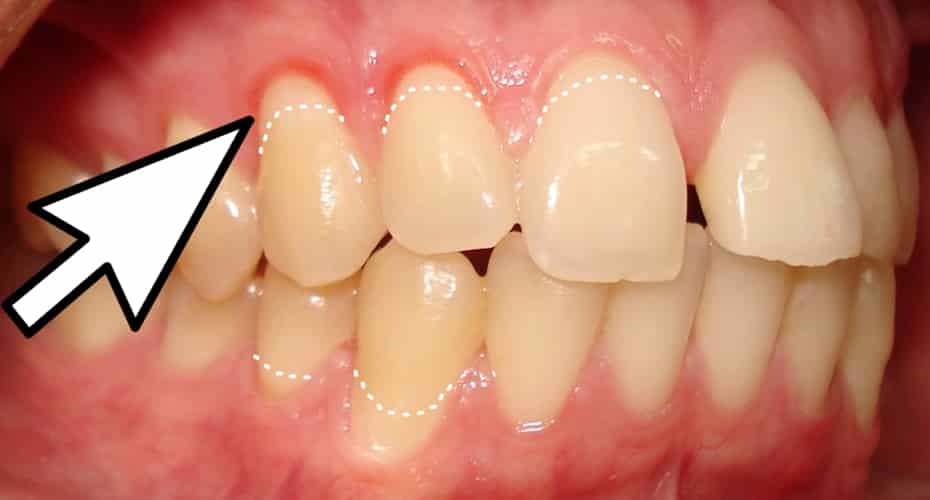
The receding gums They are an oral condition in which the gum tissue moves backward, exposing a larger part of the tooth and even the root. This retraction can affect both the aesthetics and the oral health, since leaving the tooth unprotected increases the risk of sensitivity, root caries, inflammation or even tooth loss if not treated in time.
Although many people perceive it as a cosmetic problem, it is a condition that can lead to significant complications if not treated appropriately.
Main causes of receding gums
Knowing why gums recede is the first step to preventing it. These are the most common causes:
Aggressive brushing
Brushing your teeth too hard or with a hard-bristled toothbrush can gradually erode gum tissue, causing recession.
Periodontal disease
The periodontitis It is a gum infection that damages the tissue and bone that support the teeth. It is one of the main causes of receding gums.
If you are interested in learning more about this topic, we recommend our article on periodontal treatments.
Bruxism
Grinding your teeth, especially at night, puts pressure on your gums, which can contribute to wear.
Dental malposition
Some misaligned teeth can put excessive pressure on specific areas of the gum, causing localized recession.
Hormonal changes
Hormonal fluctuations in women (pregnancy, menopause, etc.) can affect the gums and make them more sensitive and prone to retraction.
Genetics
Some people inherit thinner gums or gums that are predisposed to receding.
Oral piercings
Lip or tongue piercings can constantly rub against the gums, causing mechanical damage and retraction.
Symptoms of receding gums
Early detection is key. Some signs that may indicate you have gum recession:
- Greater tooth exposure or a feeling of "longer teeth"
- Tooth sensitivity to cold, heat or sweet foods
- Swollen or easily bleeding gums
- Presence of spaces or "pockets" between the tooth and the gum
- Bad breath recurrent
Complications if not treated
Ignoring this problem can lead to:
- Increased risk of root caries
- Progressive loss of gum and bone
- Looser teeth or tooth mobility
- Need for tooth extractions and treatment with implants
Treatments for receding gums
Treatment depends on the cause and the degree of retraction. The most common options are:
Oral hygiene and professional prophylaxis
If the recession is mild, improving your brushing technique and getting professional cleanings can slow its progression. In our clinic, we perform dental cleanings adapted to each case.
Gum graft
It is a surgical procedure in which tissue is taken from another part of the mouth (usually the palate) and placed in the area where gum is missing.
Scaling and root planing
A technique that removes tartar buildup below the gum line. It is effective in cases of mild to moderate periodontitis.
Orthodontics
In cases where dental malposition is the cause, the invisible orthodontics can help correct pressure on the gums and improve their health.
How to prevent gum recession?
Preventing gum recession requires a comprehensive approach based on hygiene, habits, and professional follow-up. Here are some practical recommendations:
- Brush gentlyAlways use a soft-bristled brush and proper technique. Avoid aggressive horizontal strokes and use an electric toothbrush if possible, as it helps control pressure.
- Choose suitable products: Opt for toothpastes and mouthwashes designed for sensitive gums, free of alcohol and with anti-inflammatory ingredients.
- Don't forget to floss: Its daily use prevents the accumulation of plaque in areas where the brush cannot reach, which is key to maintaining healthy gums.
- Controls bruxismIf you grind your teeth while sleeping, a mouth guard can prevent excessive pressure on your gums. Consult with us about custom-made mouth guards.
- Avoid tobacco and oral piercings: both irritate and inflame the gum, promoting retraction.
- Do regular check-ups: Visiting the dentist every 6 months allows for early detection of any signs of retraction or periodontal disease.
- Corrects dental malpositionIf your teeth are misaligned, orthodontics not only improves aesthetics but also the long-term health of your gums.
Incorporating these habits can make a big difference in the health of your gums and prevent the appearance of gingival recession.
Opinion of a satisfied patient
"I started noticing that my teeth looked longer, and I was sensitive to cold foods. I thought it was normal with age, but during my checkup at Acedo, they explained that it was receding gums. They gave me a deep cleaning, taught me how to brush properly, and now I have a splint for bruxism. My oral health has improved a lot, and above all, I'm no longer in pain. I'm very grateful for the kindness and care provided by the entire team."
María, a 48-year-old patient in Seseña
Frequent questions
Can receding gums grow back?
No. Once gums recede, they don't grow back naturally. But there are treatments, such as grafts, that can restore the lost tissue.
Do receding gums hurt?
Not always. They often don't cause pain, but they can cause tooth sensitivity or discomfort when brushing.
Is it serious to have receding gums?
It depends on the degree. If detected early and treated, there are usually no serious consequences. But if ignored, it can lead to tooth loss.
What specialist treats this problem?
The periodontist is a specialist in gum health. Our clinic has a team trained to treat this condition.
How do I know if I have receding gums?
You may suspect you have receding gums if you notice your teeth look longer than usual, you have sensitive teeth, or you feel discomfort when brushing. dental check-up It is key to confirming it.
What happens if receding gums are not treated?
If left untreated, retraction can progress, causing loss of bone support, tooth mobility, infections, or even loss of the affected tooth.
At what age can gums start to recede?
Although it's more common in adults aged 35-40, gums can begin to recede at an earlier age if there are risk factors such as poor brushing, aggressive orthodontics, or bruxism. No. Once gums recede, they don't grow back naturally. However, there are treatments such as grafts that can restore lost tissue.
Do receding gums hurt?
Not always. They often don't cause pain, but they can cause tooth sensitivity or discomfort when brushing.
Is it serious to have receding gums?
It depends on the degree. If detected early and treated, there are usually no serious consequences. But if ignored, it can lead to tooth loss.
What specialist treats this problem?
The periodontist is a specialist in gum health. Our clinic has a team trained to treat this condition.
Treat receding gums with Acedo Clinic
The receding gums Not only do they affect the aesthetics of your smile, but they can also compromise the long-term health of your teeth. The good news is that with early detection and proper treatment, their progression can be slowed and even their most visible effects reversed.
If you notice sensitivity, changes in your gums or simply want to make sure that everything is okay, we invite you to come visit us at Acedo Dental Clinic in SeseñaOur team will serve you with friendliness, professionalism, and the latest technology.
📞 Do you have questions about your gums?
Book an appointment with us and regain the functionality, aesthetics, and confidence of your smile.
📍 Calle Abanico, 10, Local 1, El Barco de Ávila
📞 920 340 588 / 606 886 468
📧 info@acedodental.com
🌐 clinicasacedodental.com
Make your appointment today and discover the power of a well-groomed smile.
