
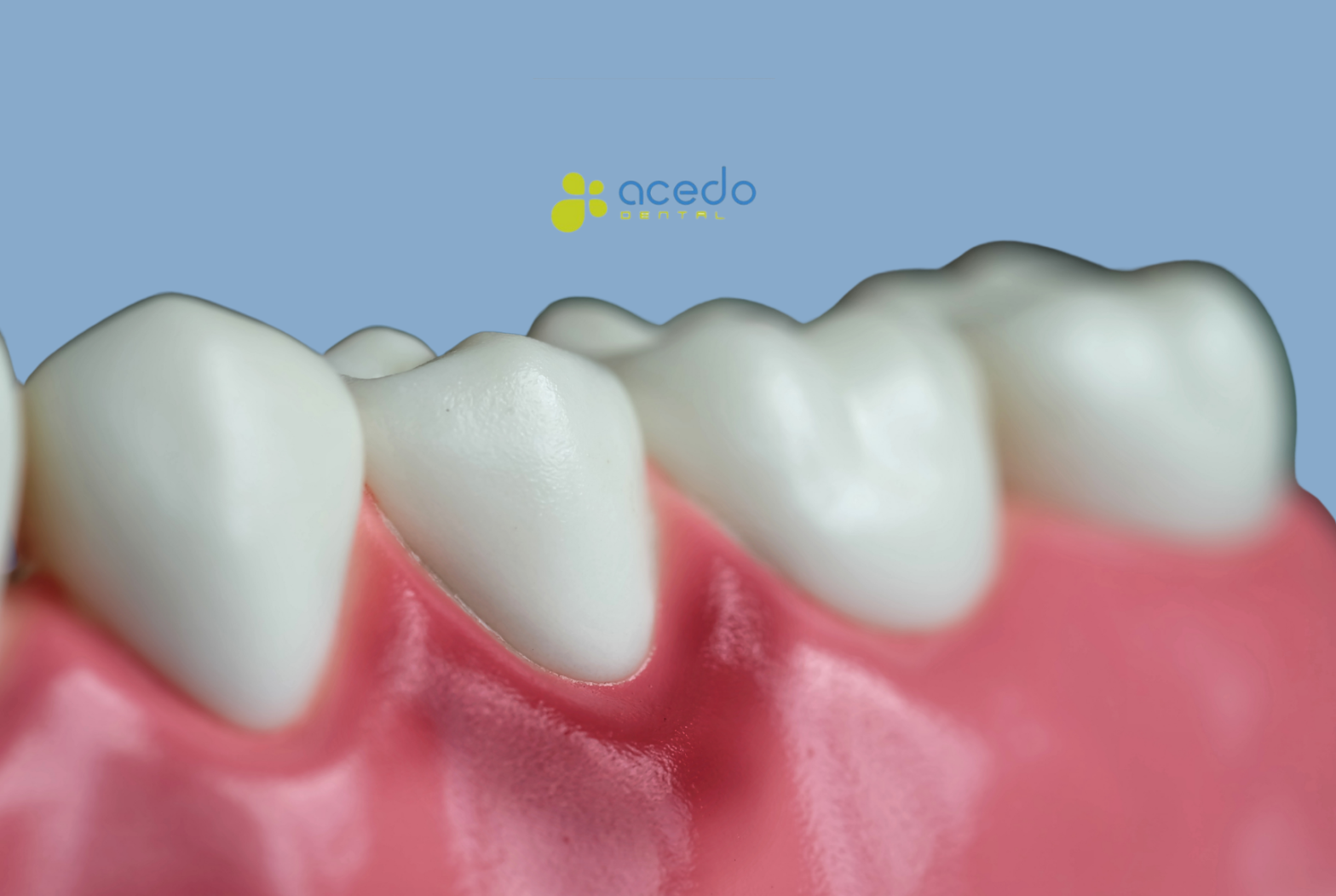
Bleeding gums are one of the most common warning signs our body sends, but also one of the most ignored. Gingivitis is a periodontal disease In its initial phase, it is characterized by inflammation and bleeding of the gingival tissue due to the accumulation of bacterial plaque. According to reports from the Spanish Society of Periodontology and Osseointegration (SEPA), A large portion of the adult population suffers from some degree of gum inflammation without being fully aware of it. Understanding what's happening in your mouth is the first step to stopping the problem. Unlike more advanced stages of the disease, gingivitis is a completely reversible process if the right measures are taken in time. We want to explain in detail how to identify this problem, why it occurs, and, most importantly, what clinical and at-home steps you should take to permanently restore your gum health.
What are the early symptoms of gingivitis that you shouldn't ignore?
Healthy gums are coral pink, have a firm texture reminiscent of orange peel, and do not bleed under any circumstances, even during vigorous brushing or flossing. When gingivitis begins to develop, the gum tissue undergoes noticeable clinical changes that act as an alarm system.
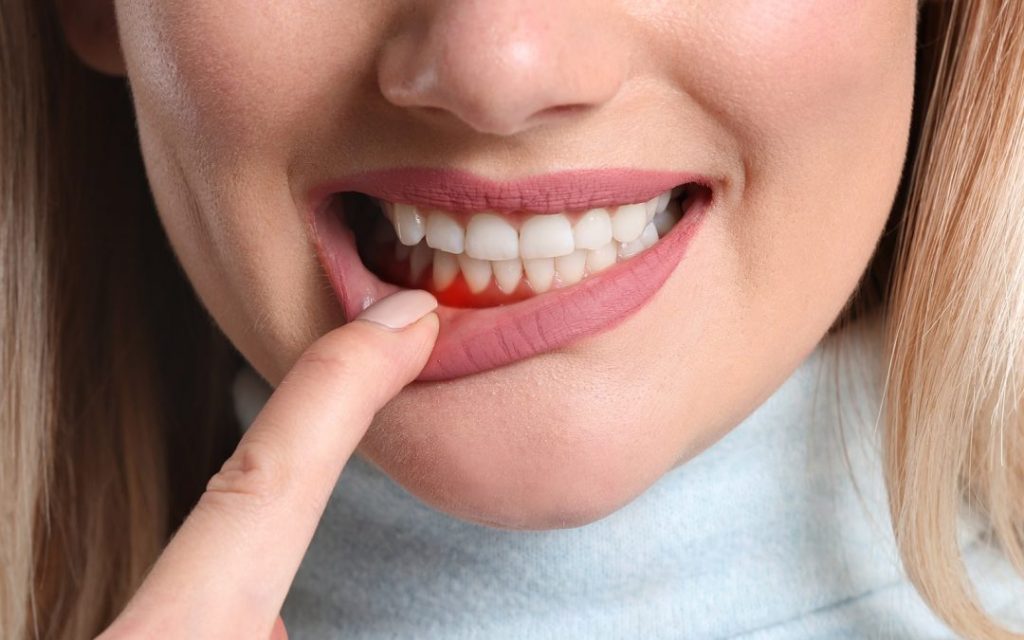
The clearest and earliest symptom is bleeding. If your gums bleed when you brush, use interdental brushes, or bite into hard foods like an apple, there is inflammation. This bleeding occurs because bacteria that accumulate at the gum line produce toxins that irritate the tissue, causing the small blood vessels to dilate and become fragile.
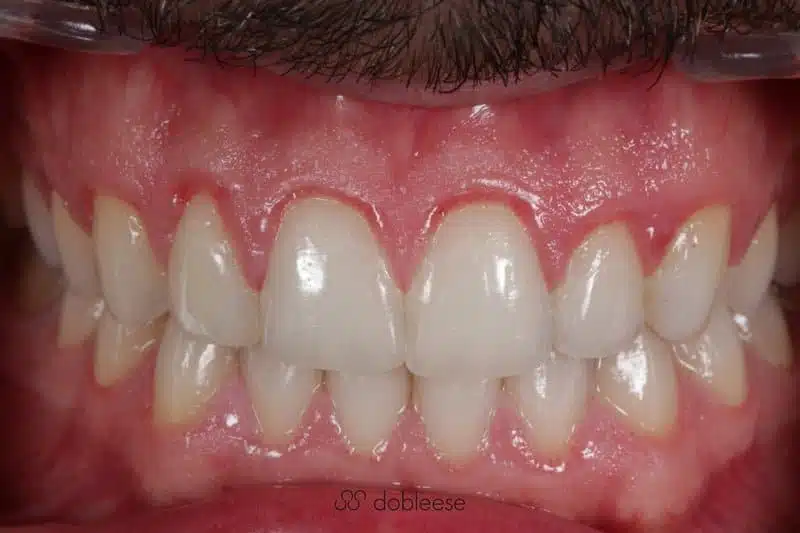
In addition to bleeding, the gum color changes. It goes from pale pink to a deep red, especially at the edges surrounding the teeth (interdental papillae). This redness is accompanied by edema, or swelling. The gum loses its firmness, becoming smooth, shiny, and swollen. Sometimes, this inflammation can cause the gum to pull slightly away from the tooth, creating a small space where even more bacteria can accumulate.
Another common symptom is halitosis or bad breath Persistent. The bacteria responsible for gingivitis, as they break down food debris and dead cells, release volatile sulfur compounds, which cause that unpleasant odor that doesn't disappear after brushing. It's also common to notice a metallic taste in the mouth, resulting from continuous microscopic bleeding, and some sensitivity or tactile discomfort in the affected area, although gingivitis rarely causes acute pain in its initial stages.
Main causes of gum inflammation or gingivitis
The primary and direct cause of gingivitis is bacterial plaque. Plaque is a sticky, colorless biofilm that constantly forms on the surface of the teeth. If this plaque is not effectively removed by daily brushing, it begins to calcify thanks to the minerals present in saliva, transforming into tartar or dental calculus. Tartar is a porous and rough surface that further facilitates the retention of new bacteria and, unlike plaque, can no longer be removed by brushing at home; it requires professional intervention.
However, although plaque is the main etiological factor, there are several risk factors that modify your body's response to these bacteria, accelerating or worsening gingivitis:
First, hormonal changes play a crucial role. During puberty, pregnancy, or menstruation, fluctuations in estrogen and progesterone levels increase the permeability of blood vessels in the gums, making them much more reactive and sensitive to even a minimal amount of plaque. This is commonly known as "pregnancy gingivitis.".
Tobacco is another critical, yet deceptive, factor. Nicotine acts as a potent vasoconstrictor, reducing blood flow to the gums. This means that a smoker may have severe inflammation, but their gums won't bleed noticeably, masking the problem until the disease has progressed considerably.
Certain systemic diseases, such as uncontrolled diabetes, impair the body's ability to fight infections and heal tissues, increasing the risk of developing gingivitis. Similarly, the use of certain medications, such as some oral contraceptives, antidepressants, anticonvulsants, or blood pressure drugs, can cause overgrowth of gum tissue (hyperplasia), making oral hygiene more difficult.
Finally, local anatomical factors complicate daily cleaning. Crowded or misaligned teeth create inaccessible areas for the toothbrush. In these cases, orthodontic treatment not only serves an aesthetic purpose but is also a fundamental preventive measure for periodontal health, facilitating the proper removal of plaque.
Stages of periodontal disease: from gingivitis to periodontitis
It is crucial to understand that gingivitis is not a static condition. If left untreated, the chronic inflammation progresses to deeper structures, becoming periodontitis (historically known as pyorrhea). The clinical difference between the two is dramatic.
In the gingivitis phase, inflammation is strictly limited to the superficial gum tissue. The supporting tissues of the tooth (the periodontal ligament and alveolar bone) remain intact. By eliminating the cause (plaque and tartar), the gum tissue heals, the inflammation subsides, and the gum naturally reattaches to the tooth. It is, therefore, a reversible disease without lasting effects.
However, if bacterial aggression continues, toxins and the immune system's own inflammatory response begin to destroy the fibers that attach the gum to the tooth. A periodontal pocket then forms, a deep space between the tooth and the gum where anaerobic bacteria (which live without oxygen) proliferate rapidly. At this stage, the inflammation reaches the bone that supports the tooth root and begins to resorb it. Periodontitis is an irreversible disease. The lost bone does not regenerate naturally. If bone destruction progresses, the tooth loses its anchorage, becomes loose, and ultimately falls out or requires extraction. Detecting and treating gingivitis early is the only way to avoid reaching this point.
How to cure gingivitis and restore your gum health
Treating gingivitis requires a combined approach: professional clinical intervention and daily commitment from the patient at home. Neither works in isolation.
Treatment at the clinic begins with a thorough professional cleaning. In the office, we use ultrasonic devices that emit high-frequency vibrations accompanied by a water flow. These waves break down the dental calculus (tartar) accumulated both on the visible surface of the tooth and slightly below the gum line, without damaging the enamel. This process, known as tartar removal, eliminates the hardened base where bacteria reside.
Next, the tooth surfaces are polished with specific prophylactic pastes. A polished, smooth tooth makes it difficult for new plaque to adhere quickly. In cases where inflammation is more severe or there is heavily deposited tartar below the gum line, it may be necessary to perform curettage or manual scaling and root planing to ensure that the root surface is completely clean.
From that point on, the success of the treatment depends on regular cleanings and checkups, as well as daily maintenance. Dental Clinic At Acedo, we don't just clean; we invest time in teaching you hygiene techniques adapted to your mouth, correcting brushing errors and recommending the specific tools you need for your dental anatomy.
The relationship between gingivitis and your overall health
The mouth is not an isolated system from the rest of the body. Medical science has conclusively demonstrated that chronic gum inflammation has a direct impact on systemic health. Bacteria present in inflamed and bleeding gums have a direct entry point into the bloodstream through broken capillaries.
Once in the bloodstream, these bacteria and the inflammatory markers the body produces to fight them travel throughout the body. There is strong evidence linking untreated periodontal disease to an increased risk of cardiovascular events, as this mild but persistent systemic inflammation contributes to damage to the endothelium (the inner lining of the arteries) and the formation of atherosclerotic plaques.
In diabetic patients, the relationship is bidirectional. A patient with uncontrolled glucose levels is at greater risk of developing gingivitis, but at the same time, an active gum infection makes it extremely difficult to stabilize blood sugar levels, creating a harmful vicious cycle. Furthermore, in pregnant women, severe periodontal inflammation has been linked to a higher risk of premature births and low birth weight babies, due to the release of inflammatory prostaglandins. Taking care of your gums is, in reality, taking care of your overall health.
Daily hygiene habits to prevent gingivitis at home
Prevention is the most effective treatment. To prevent plaque buildup and gingivitis, you must establish a strict routine of mechanical and chemical oral hygiene.
Brushing should be done at least twice a day, with the nighttime brushing being the most important. We recommend the modified Bass technique: place the brush bristles at a 45-degree angle to the gum line, so they penetrate slightly into the gum sulcus. Make short, vibrating motions without moving the brush, and finally, sweep it towards the crown of the tooth. The key is precision, not force. Aggressive brushing will cause gum recession and wear down the enamel.
The toothbrush, whether manual or electric, cannot reach the interproximal spaces (between the teeth). This is where much of the gingivitis originates. Flossing is essential for narrow spaces. If you have wider spaces, bridges, or wear braces, interdental brushes or oral irrigators are indispensable tools for cleaning these hard-to-reach areas.
As a chemical supplement, use fluoridated toothpaste. In cases of active inflammation, your dentist may prescribe a specific mouthwash with chlorhexidine (for short-term use because it can stain teeth) or cetylpyridinium chloride (CPC) for daily maintenance and bacterial load control.
Our patients' experience treating their gingivitis
«"For months I'd noticed my gums bleeding every time I brushed, and sometimes even when I ate. I thought it was because I was using a very hard toothbrush or that it was just normal for me. I started noticing a bad taste in my mouth and decided request an appointment. At the clinic, they explained that I had advanced gingivitis due to tartar buildup that I couldn't see. They gave me a deep cleaning and, most importantly, showed me how to use interdental brushes correctly. In less than two weeks, my gums stopped bleeding completely, returned to their normal color, and my bad breath disappeared. Now I go for my annual checkups and haven't had any problems since. The peace of mind of knowing I won't lose bone or teeth is priceless.» — Laura M., patient treated at our clinic.
Frequently asked questions about gingivitis
How long does it take for gingivitis to heal?
If diagnosed early and treated with a proper professional cleaning followed by rigorous home hygiene, gingivitis usually resolves completely within 10 to 14 days. The gums will stop bleeding, the inflammation will subside, and they will regain their firm pink color.
Is gingivitis contagious through kissing or sharing glasses?
Not directly. Although the bacteria that cause gingivitis can be transmitted through saliva (by kissing or sharing utensils), for the disease to develop in the other person, their oral hygiene must be poor, allowing plaque to accumulate. If the recipient has good brushing habits, the bacteria will not proliferate.
Can I cure gingivitis at home with natural remedies?
No. Rinsing with salt water, baking soda, or herbal infusions may temporarily relieve the feeling of inflammation, but they don't eliminate the underlying cause. If tartar has already formed below the gum line, no home remedy will dissolve or remove it; mechanical intervention with dental instruments is essential.
Does the treatment to cure gingivitis at the clinic hurt?
Gingivitis treatment (scaling and root planing) is a routine, minimally invasive procedure that is generally painless. If the gums are very inflamed, you may experience some sensitivity or temporary discomfort during the cleaning, but this is perfectly tolerable. In cases of extreme sensitivity, local anesthesia is always an option.
Is it normal to bleed when brushing your teeth?
It's never normal. Bleeding is the equivalent of an open wound on the skin. Just as you wouldn't consider it normal for your hands to bleed when washing them with soap and water, bleeding gums are an unmistakable symptom of infection and inflammation in the tissues supporting the teeth.
What happens if I don't treat gingivitis in time?
Chronic inflammation and bacteria will progressively destroy the gum attachment and advance toward the alveolar bone. Gingivitis will develop into periodontitis, a serious and irreversible disease that destroys the tooth's supporting structure, causing tooth mobility, infectious abscesses, and ultimately, tooth loss.
Restore the health of your gums at Acedo Dental Clinic
Ignoring bleeding gums is a risk that compromises both your smile and your overall health. Detecting the problem at this early stage guarantees a quick, simple solution without lasting damage to your teeth. An accurate diagnosis and timely professional cleaning make the difference between keeping your teeth for life and facing complex periodontal problems in the future.
Book your appointment today and wear a smile healthy, without discomfort and radiant to be proud of.
How can I book my appointment?
Booking your free appointment is very simple:
If you are in Seseña:
- Address: Calle Tirso de Molina 22, 45223 Seseña
- Phone: 669 956 658
If you are in El Barco de Ávila:
- Address: C. del Abanico, 10, Local 1, 05600 El Barco de Ávila, Ávila
- Phone: 606 886 468
Our customer service team will assist you with kindness and help you schedule your appointment at a time that best suits you.
We will wait for you!
