
There are people who brush well, use dental floss, and still feel that "something isn't quite clean": bleeding gums When flossing, you might notice stains that quickly reappear, or that rough feeling near the gum line. The key is often what you can't see: bacterial plaque (biofilm) organizes and sticks to areas the toothbrush can't reach, and over time it can mineralize and turn into tartar. When that happens, The only way to remove it is with a professional cleaning.
In this guide about dental cleaning in El Barco de Ávila I'll explain what actually eliminates one cleaning, When is it advisable to have it done, what are the differences between a "normal" cleaning and a periodontal cleaning, and why current technology can perform it? more comfortable and more efficient, especially in people with sensitivity, delicate gums, orthodontics or implants.
A dental cleaning, or prophylaxis, is a professional dental treatment that removes plaque and tartar buildup on teeth and gums, which cannot be achieved with daily brushing, thus preventing cavities, gingivitis, and bad breath, and improving the dental aesthetics. Made by a hygienist or dentist, It uses tools such as ultrasound to remove limescale and a polishing brush, leaving a feeling of freshness and leaving the whiter teeth and smooth.
What is a professional dental cleaning and what does it really remove?
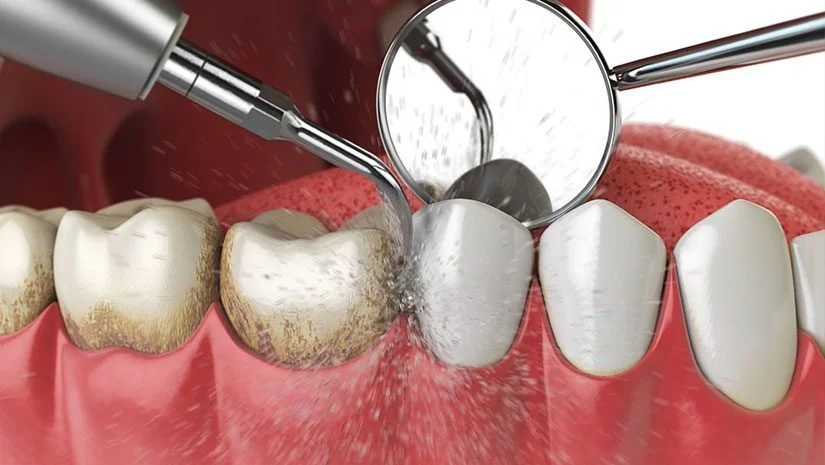
A professional dental cleaning (prophylaxis) is a clinical procedure whose objective is remove plaque and tartar accumulated on teeth and gumline, in addition to polishing to make it harder for plaque to re-adhere easily. Even with consistent oral hygiene at home, If the plate remains in place over time, it can harden. and become tartar; at that point it can no longer be removed with brushing or threading.
A proper cleaning focuses on three common "enemies":
- Biofilm (plaque): the sticky film where bacteria that influence cavities and gum disease live.
- Tartar (dental calculus): mineralized plate, strongly adhered.
- Surface stains: pigmentations from coffee, tea, tobacco or certain foods (it does not change the internal color of the tooth, but it does improve the external appearance).
If you're interested in seeing how our clinic approaches this, you can read the page on dental cleaning and check-up, where we explain the prevention and maintenance approach.
Why a dental cleaning is about health, not just aesthetics
Many people request a cleaning for aesthetic reasons (which is reasonable), but what's important is what happens to the gums.
When biofilm accumulates near the gum, the body reacts: inflammation, bleeding, and, if it persists, it can progress to periodontal disease. The leading public health authority in the US explains that If tartar is not removed, gingivitis can worsen and progress to periodontal disease..
Furthermore, a well-planned hygiene visit is not just about "cleaning": it takes the opportunity to check points that are often overlooked at home (interdental areas, tongue, gum line) and adjust habits according to your case.
If you notice bleeding when brushing or flossing, your gums should be checked. At Acedo, you can also find information about periodontal care. periodontics.
How often should you get your teeth cleaned in El Barco de Ávila?
There is no single rule that applies to everyone. In general, many health education guides recommend regular checkups and hygiene, and there are medical sources that mention every 6 months as a guideline for cleaning and review, adjusting according to risk and periodontal condition.
The most useful approach is to think about it in terms of profiles:
If you have healthy gums and good hygiene at home
- A less frequent visit is usually sufficient, depending on your risk, diet, habits, and what your dentist sees during checkups.
If your teeth bleed when you brush, you have frequent tartar buildup, or recurring bad breath
- The buildup can be faster, and it's advisable to check more often to prevent the problem from escalating.
If you have braces, implants, or have had periodontitis
- A more personalized plan is usually needed, and in some cases, more frequent maintenance.
If you like request an appointment To assess your case in El Barco de Ávila, you have the details and schedules at contact.
How a professional dental cleaning is done step by step
Each clinic has its own protocol, but a complete session usually includes:
Initial exploration
The condition of the gums, areas of plaque retention, and sensitivity are checked. A decision is then made as to whether routine prophylaxis is appropriate or if a more thorough treatment is needed.
Deposit removal
Depending on the case, tartar and plaque are removed with professional instruments. In deeper therapeutic cleanings (when there are pockets or marked inflammation), the approach changes, as I explain below.
Biofilm and stain removal
This is where technology has advanced significantly: today, biofilm can be treated more efficiently and with greater comfort, especially in sensitive patients or those with restorations.
Polishing and recommendations
The ultimate goal is for you to leave with a clean mouth, but also with a realistic maintenance plan: brushing, interdental cleaning, and good habits.
The key difference: “normal” cleaning vs. periodontal (deep) cleaning
This is important, because many people call different things "cleaning".
Professional dental cleaning (prophylaxis)
- It focuses on plaque, supragingival tartar (above the gum line), and stains.
- It is preventative and maintenance-related.
Periodontal cleaning or scaling and root planing
- It is indicated when there are signs of periodontal disease: pockets, persistent bleeding, tartar below the gum line, significant inflammation.
- It implies Remove plaque and tartar above and below the gum line, and smooth the root to help the gum adapt better.
- It may require more than one visit and, depending on the case, local anesthesia.
At Acedo we explain it specifically in periodontics, because a maintenance cleaning is not the same as a periodontal treatment.
Advanced technology in dental hygiene: why it changes the experience
Here's what you notice most as a patient.
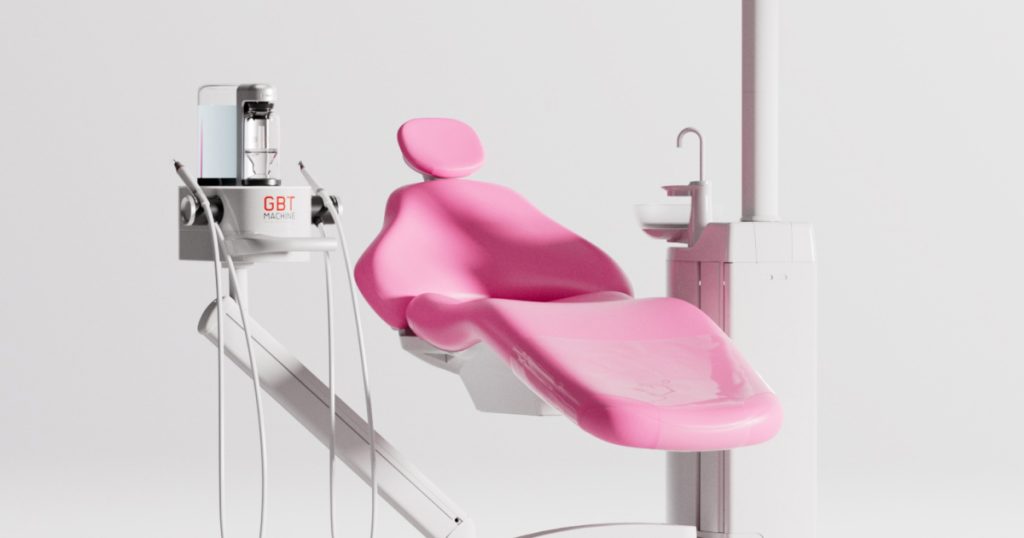
In recent years, many clinics have incorporated hygiene systems that address biofilm with a controlled combination of air + warm water + a specific powder to remove plaque and pigmentation with high precision, plus more comfortable ultrasound instrumentation compared to older methods. (The basis of the concept is to remove biofilm systematically and efficiently, and improve patient comfort, especially when there is sensitivity.).
Practical advantages for you
- Greater comfort for sensitive patientsUsing lukewarm water and a more controlled stream usually reduces the unpleasant sensation typical of "cold water" and intense vibration (sensitivity varies between people, but the difference is real for many).
- Better access to difficult areas: interdental spaces, gingival contours, around orthodontics or implants.
- More focused approach on biofilmIt's not just about "scraping off tartar", but about removing the bacterial film that quickly recolonizes if not treated properly.
- more homogeneous treatmentWhen the flow and mixing are stably controlled, hygiene is usually more consistent throughout the session.
These types of systems are associated with preventive protocols widely used in modern dentistry, based on the systematic elimination of biofilm and the control of patient comfort.
Important: Being "advanced" doesn't mean "miraculous." It means that, when used correctly, it can be more efficient and easier to manage, And that makes it easier for the patient to maintain the professional hygiene routine they need.
If you are interested in learning about the clinical environment where we conduct these sessions, you can view our facilities in El Barco de Ávila.
Who benefits most from a biofilm-focused cleaning?
Although anyone can benefit from professional hygiene, there are certain profiles where it is more noticeable:
People with gums that bleed or become inflamed easily
Gingival inflammation is often closely linked to plaque buildup near the gum line. Removing it carefully helps to "reset" the system so that home hygiene works better.
People with braces
With braces or aligners, plaque buildup is more common. Professional cleaning helps maintain healthy gums and enamel during treatment.
People with implants, crowns, or restorations
The areas around restorations require meticulous hygiene: neither aggressive nor insufficient. A controlled jet system and appropriate tips usually provide precision.
People with frequent stains
If the goal is to improve the appearance of external blemishes, hygiene focused on biofilm and pigmentation usually produces a visible change without resorting to whitening treatments (which is a different matter).
If you're worried about the appearance of stains, you also have this content about it. stains on the teeth.
What can you do at home to make cleaning last longer?
A professional cleaning doesn't "seal" your teeth forever. Plaque reforms every day. What changes the game is your routine.
Effective brushing (less force, more method)
- Two minutes well done is better than four at full speed.
- If you bleed, keep brushing that area: it's usually more a sign of inflammation than "I'm hurting myself".
Interdental cleaning (floss or interdental brushes)
The ADA explains that interdental cleaning helps remove plaque between teeth, a key area for preventing cavities and gum problems.
Periodic review
In public systems like the NHS, it is recommended to adjust the frequency of check-ups according to risk: not everyone needs the same thing, and that is the sensible thing to do.
Signs that you need a dental cleaning
If you want a quick and honest list, here it is:
- Bleeding when brushing or flossing.
- Visible tartar (yellowish or brown, especially behind lower incisors).
- Bad breath that returns despite hygiene.
- Swollen or receding gums.
- Stains that cannot be removed by brushing.
- Sensation of “rough teeth” near the gum.
And if you also have a history of periodontitis, it's crucial not to wait "until it bothers you": with gums, when it hurts, sometimes it's already too late.
Dental cleaning in El Barco de Ávila: where we are and how to make an appointment
If you are in El Barco de Ávila or the surrounding area and are looking for a Dental cleaning in El Barco de Ávila With a modern approach (more focused on biofilm and comfort), you can book an appointment at Dental Clinic I ace.
- Address: Calle Abanico, 10, Local 1, 05600 El Barco de Ávila, Ávila.
- Opening hours (according to contact information): Monday to Friday 10:00–14:00 and 16:00–20:00.
- Appointment request and details: contact.
Patient's opinion
“I came in quite apprehensive because I always left with sensitivity after cleanings. This time was different: I found the session much more comfortable, and at the end, the feeling was one of real cleanliness, especially between my teeth and near the gum line. They explained which areas accumulate the most plaque and how to maintain it at home. I left feeling reassured, which for me is a huge deal.”
Frequently asked questions about dental cleaning in El Barco de Ávila
How often should I get a professional dental cleaning?
It depends on your risk of cavities and gum disease, your habits, and your medical history. As a general guideline, some medical sources recommend checkups and oral hygiene approximately every six months, adjusting as needed.
Does a dental cleaning hurt?
It shouldn't generally hurt, but there may be discomfort if there is inflammation, a lot of tartar buildup, or sensitivity. In those cases, the technique is adapted, and if necessary, anesthesia is considered for deeper treatments.
How long does a dental cleaning take?
It varies depending on the amount of plaque/tartar and whether there are stains, but a session usually lasts approximately half an hour to an hour in many cases.
Does dental cleaning wear down enamel?
A properly indicated and performed professional cleaning shouldn't "wear down" the enamel. What does happen is that, by removing tartar and stains, the tooth looks "cleaner," and sometimes the true texture of the enamel is more visible.
Can I eat normally after a dental cleaning?
Usually, yes. If you have had periodontal treatment or have sensitivity, it may be advisable to avoid very cold/hot foods for a few hours and maintain gentle oral hygiene that day.
Can I get a dental cleaning if I have braces?
Yes, and in fact it's often highly recommended because orthodontics promotes plaque retention. The technique is adjusted to ensure thorough cleaning around braces and between teeth.
Does dental cleaning remove coffee or tobacco stains?
It can remove many surface stains (external pigmentation), although it doesn't change the internal color of the tooth like whitening would. For persistent cases, the most appropriate cosmetic approach is considered.
What is the difference between periodontal cleaning and scaling?
Regular cleaning is preventative. Scaling and root planing is a more thorough treatment to remove plaque and tartar, including below the gum line, and help control periodontal disease.
A clean that's noticeable today, and that protects tomorrow.
If I had to sum it up in one idea: good professional dental hygiene isn't just an "aesthetic indulgence," it's a practical way to remove what your toothbrush can't and keep gum inflammation at bay before it becomes a serious problem. And when it's done with modern technology focused on biofilm and comfort, the experience is usually more pleasant and the results more consistent.
If you are looking Dental cleaning in El Barco de Ávila, The sensible thing to do is start with a check-up and, from there, decide if you need regular cleanings or a periodontal treatment plan. You can book an appointment here: contact.
Book your appointment today and wear a smile healthy, without discomfort and radiant to be proud of.
How can I book my appointment?
Booking your free appointment is very simple:
If you are in Seseña:
- Address: Calle Tirso de Molina 22, 45223 Seseña
- Phone: 669 956 658
If you are in El Barco de Ávila:
- Address: C. del Abanico, 10, Local 1, 05600 El Barco de Ávila, Ávila
- Phone: 606 886 468
Our customer service team will assist you with kindness and help you schedule your appointment at a time that best suits you.
We will wait for you!
