
The mouth sores These are small lesions that affect the oral mucosa and, although they are not usually serious, are very annoying. These lesions can make it difficult to perform basic actions such as eating, speaking, or even smiling. According to experts, canker sores They are one of the most common causes of oral pain, and their management depends on identifying the source, applying appropriate treatment, and preventing its recurrence.
In this article you will find a Complete guide to mouth sores: what they are, what types exist, what their causes are, the best treatments, prevention tips, and situations in which it is advisable to go to the dentist.
What are mouth sores?
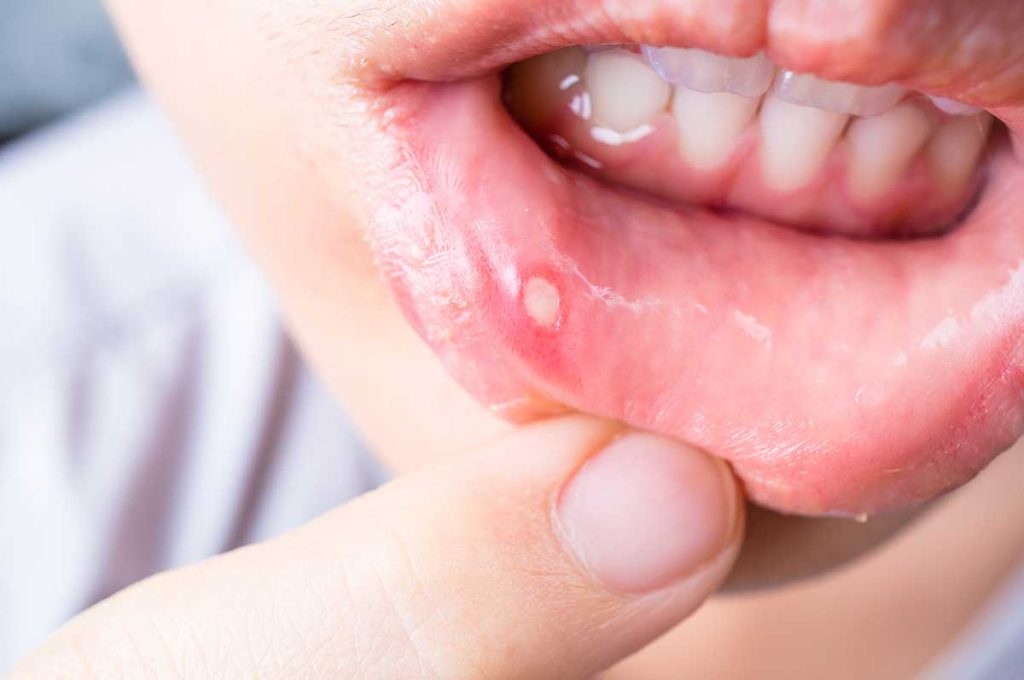
The mouth sores either canker sores They are ulcers that form in the soft tissue of the mouth. They are characterized by:
- White, yellowish or greyish colour in the centre.
- Reddish and swollen edges.
- Rounded or oval shape.
They usually measure between 2 mm and 1 cm, although in severe cases they can exceed that measurement.
Most frequent locations
- Language: Sores on the tongue are very painful because this area is constantly moving.
- Gums: In addition to being annoying, they can be confused with periodontal infections.
- Palate: they make swallowing difficult and tend to be slower to heal.
- Inside of lips and cheeks: They usually appear after accidental bites.
If you have questions about other gum diseases, visit our section on periodontics.
Causes of mouth sores
There are multiple factors that can trigger the appearance of canker sores. Knowing them is essential to preventing them.
Main factors
- Stress and anxiety: They weaken the immune system and make the oral mucosa more vulnerable.
- Nutritional deficiencies: Low levels of iron, folic acid, zinc or vitamin B12 increase the risk.
- Local trauma:biting, aggressive brushing, poorly fitting dentures or braces.
- Hormonal changes: common during menstruation, pregnancy or menopause.
- Genetic predisposition: some people are more prone to suffer from them.
- Allergies and intolerances: certain foods such as nuts, chocolate, citrus fruits or spicy foods.
Difference between canker sores and cold sores
- Canker sores (mouth ulcers): appear inside the mouth, they are not contagious.
- Cold sore: It is located on or around the lips, is caused by the herpes simplex virus and is contagious.
Types of mouth sores
Mouth ulcers are not all the same. They are classified into three main groups:
Minors
- They are the most common.
- Size less than 1 cm.
- They heal in 7-10 days without leaving a scar.
Seniors
- Larger and deeper (more than 1 cm).
- They take up to 6 weeks to cure.
- They can leave scars.
Herpetiformes
- Groups of small ulcers that merge.
- Intense pain.
- They are not related to the herpes virus.
Symptoms of mouth sores
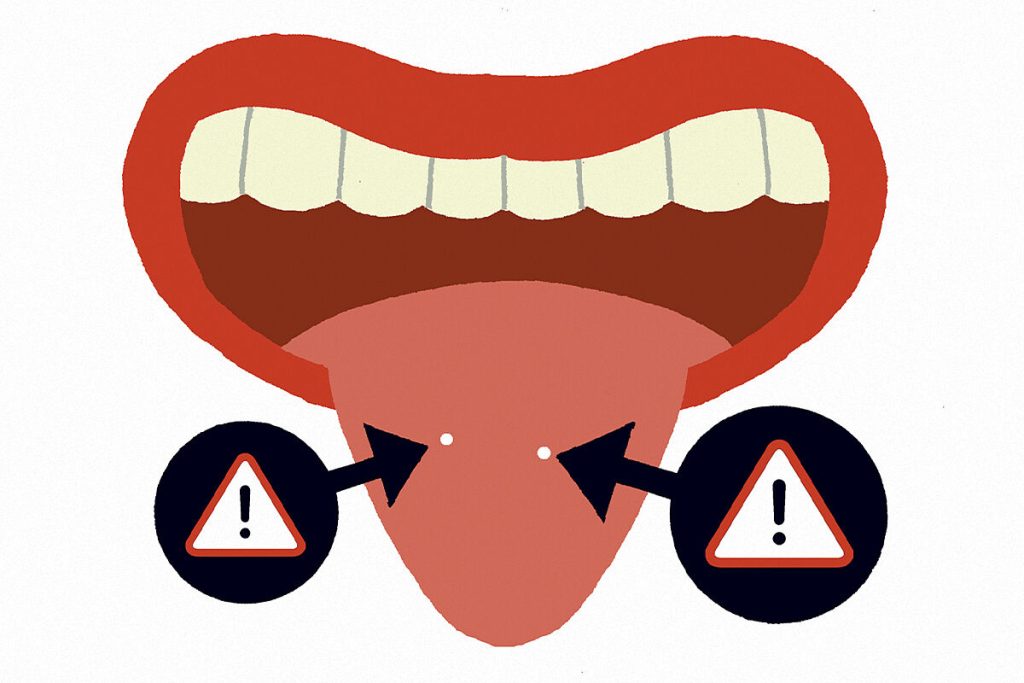
In addition to the visible injury itself, they are often accompanied by other symptoms:
- Pain and burning.
- Difficulty chewing or swallowing.
- Burning in the affected area.
- Sensitivity when eating salty, acidic or spicy foods.
In severe cases: fever, swollen lymph nodes and general malaise.
Treatments for mouth sores
Treatment depends on the type and severity of the sore.
Medical treatment
- Antimicrobial mouthwashes: reduce the risk of infection.
- Corticosteroid ointments: relieve inflammation and pain.
- Topical analgesics: lidocaine or other soothing components.
- Vitamin supplements: in cases of nutritional deficiency.
- Prescription medications: in recurrent or severe canker sores.
Home remedies
- Rinses with salt water or baking soda.
- Apply ice directly to the sore.
- Chamomile infusions as a mouthwash.
- Natural aloe vera applied to the lesion.
If you want to improve your oral health in a comprehensive way, discover more about our treatments. dental cleaning.
When to worry about a mouth sore
Although most are benign, there are situations in which it is advisable to go to the dentist:
- The sore lasts for more than two weeks.
- Canker sores appear very frequently.
- They are especially large or painful.
- They are accompanied by fever or swollen glands.
- They make it difficult to speak, swallow or eat.
Book your appointment at our dental clinic in Seseña if your canker sores do not go away naturally.
Preventing mouth sores
Prevention is the best way to avoid the pain of these injuries.
Hygiene habits
- Gently brush after each meal.
- Flossing and rinsing without alcohol.
- Soft bristle brushes to avoid damaging the mucosa.
Feeding
- Diet rich in fruits, vegetables and proteins.
- Avoid acidic, spicy and very salty foods.
- Drink enough water to keep your mouth hydrated.
Lifestyle
- Sleep at least 7 hours a day.
- Reduce stress with relaxation techniques.
- Do not smoke or abuse alcohol.
Patient's opinion
«For years I had constant canker sores, especially during times of high stress. In the Dental Clinic Acedo explained to me that it could be due to a vitamin deficiency and the rubbing of my braces. With personalized treatment and changes to my diet, my sores almost completely disappeared. Now I can eat and speak without pain. – Ana M.
Frequently asked questions about mouth sores
How long do mouth sores last?
Generally between 7 and 14 days, although larger ones may take longer.
Are mouth sores contagious?
No, canker sores are not contagious. Only cold sores are transmissible.
What foods should I avoid?
Citrus fruits, chocolate, nuts, spicy foods and highly acidic drinks.
Can mouth sores be a symptom of another disease?
In recurrent cases, they may be related to immunological or digestive problems.
Can children get sores?
Yes, they are very common, especially due to lowered immune systems or minor trauma.
What does it mean when mouth sores appear?
Mouth sores can be caused by canker sores, herpes, irritations, or infections; sometimes by stress, deficiencies, or allergies. If they persist for more than 1–2 weeks, are very painful, or are accompanied by fever, consult your dentist or doctor.
How to keep your mouth free of sores
The mouth sores They are a common and annoying problem, but with proper care, they can be effectively prevented and treated. Maintaining good oral hygiene, taking care of your diet, and reducing stress are essential steps.
If canker sores recur frequently, are very painful, or do not heal within two weeks, it is best to see a dentist for a complete diagnosis.
Book an appointment with us and regain the functionality, aesthetics, and confidence of your smile.
Your smile also deserves to travel without worries!
📍 Tirso de Molina Street, 22, Seseña
📍 Calle Abanico, 10, Local 1, El Barco de Ávila
📞 669 95 66 58
📞 606 886 468
📧 info@acedodental.com
🌐 clinicasacedodental.com
Make your appointment today and discover the power of a well-groomed smile.
