

The dental microfractures They are small cracks on the surface of the teeth that, although they may seem harmless at first glance, can compromise your oral health in the long term. According to the Sanitas Health Library, Their origin can be related to daily habits, trauma, or even the natural wear and tear of teeth. Detecting and treating them early is essential to avoid more serious problems such as cavities, extreme sensitivity, or complete fractures..
Dental microfractures are tiny, almost invisible cracks in the enamel, caused by bruxism, biting hard objects, trauma, or wear. They can cause sensitivity and pain, and if left untreated, lead to further damage. They are common in adults and require professional attention to seal them with resin or crowns to protect the tooth..
In this article, we are going to explain to you What are dental microfractures, why do they appear, how to identify them and what treatments are available?, as well as giving you tips to prevent them and keep your smile in perfect condition.
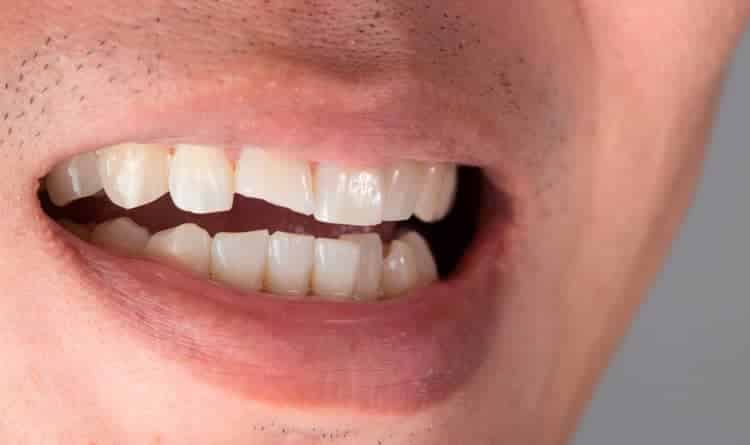
Table of Contents
- What are dental microfractures?
- Most common causes of dental microcracks
- Symptoms of dental microfractures
- Professional diagnosis: how we detect microfractures
- Treatments for dental microfractures
- How to prevent dental microcracks
- Common causes in children and adults and how to identify them before they worsen
- Patient's opinion
- Frequently asked questions about dental microfractures
- Do dental microfractures heal on their own?
- Are dental microfractures dangerous?
- Can you see them with the naked eye?
- Does dental insurance cover this treatment?
- How to repair micro fractures in teeth?
- What do microfractures feel like?
- How can you tell if a child has a dental microfracture?
- Can dental microfractures be repaired?
- Act today and avoid problems tomorrow
What are dental microfractures?
The dental microfractures They are small lines or fissures that occur in the enamel of the tooth.
Unlike a serious fracture, they do not usually cause immediate loss of part of the tooth, but they can weaken its structure.
In many cases, these microcracks are invisible to the naked eye and require professional examinations with special light, dental loupes or even technology such as iTero scanner, which we use in our clinic to accurately detect problems.
Most common causes of dental microcracks
There are multiple factors that can cause microfractures, and most are related to habits or situations that put excessive pressure on the tooth.
Bruxism or teeth grinding
He bruxism It's one of the main causes. When you clench or grind your teeth—especially at night—the repeated pressure creates tension lines in the enamel that eventually become microcracks.
In our blog we explain more about this habit in the article childhood bruxism, which can also affect adults.
Biting into very hard foods
Eating ice, nuts, candy, or excessively hard bread can cause small cracks in your teeth, especially if the structure is already weakened.
Sudden changes in temperature
Switching from very hot coffee to cold water can cause rapid contractions and expansions in the enamel, facilitating the development of microfractures.
Trauma or blows
An accidental blow, whether during sports or from a fall, can cause imperceptible cracks that worsen over time.
Symptoms of dental microfractures
In many cases, They do not produce pain immediately, which makes it difficult to detect. However, some signs may alert you:
- Tooth sensitivity to cold or heat.
- Pain when biting certain foods.
- Appearance of fine visible lines on the surface of the tooth.
- Subtle color change in an area of the enamel.
You can also read our article about sensitive teeth to better understand this relationship.
Professional diagnosis: how we detect microfractures
In Dental Clinic Acedo We have advanced tools to detect microfractures, even before they generate obvious symptoms:
- Visual examination with dental loupes.
- Illumination with special LED light to highlight fissures.
- iTero digital scanner for 3D imaging.
- X-rays in case of suspected internal involvement.
Treatments for dental microfractures
The treatment will depend on the depth and location of microfracture.
Dental sealing
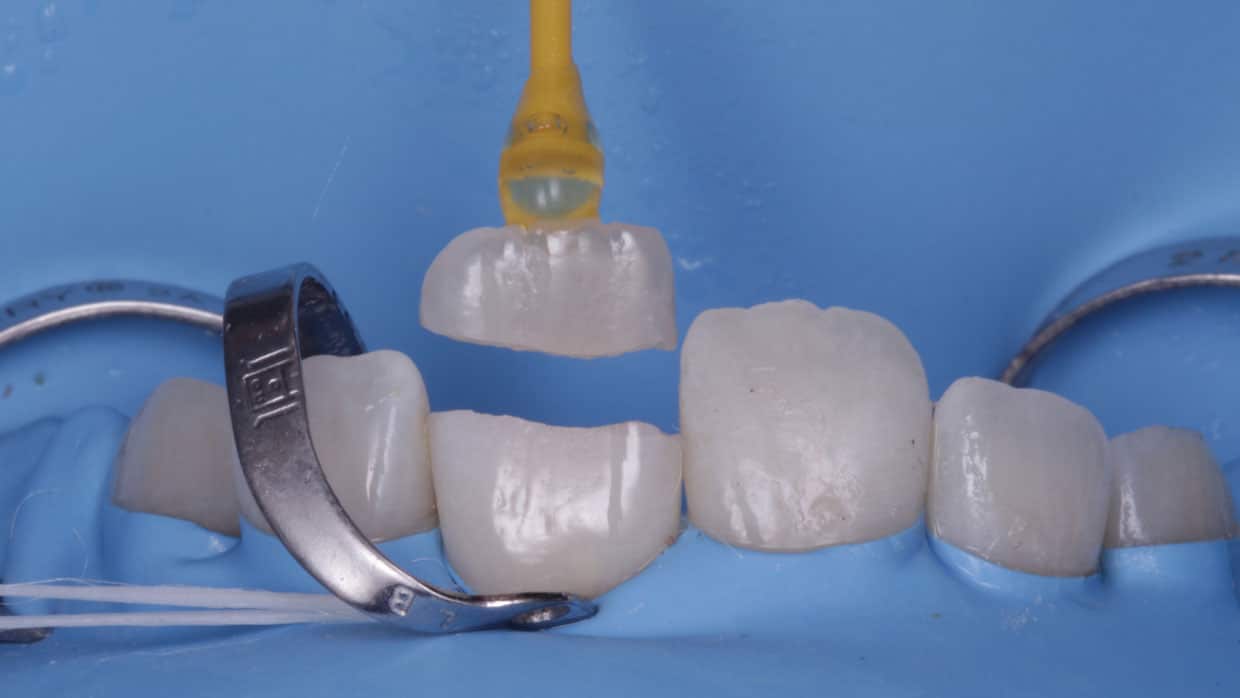
If the crack is superficial, a special resin can be applied to seal it and prevent it from progressing.
dental veneers
In aesthetic cases or when the enamel is weakened, the dental veneers allow you to restore the appearance and protect the piece.
Dental crown
When the crack affects a large part of the tooth, a crown is placed to completely cover it and restore its strength.
Treatment of bruxism
If the cause is bruxism, it is essential to use a night guard to prevent further microfractures from appearing.
How to prevent dental microcracks
Prevention is key to avoiding these small cracks from appearing:
- Do not use your teeth as tools to open objects.
- Reduce consumption of very hard foods.
- Avoid sudden changes in temperature of food and drinks.
- If you suffer from bruxism, use a night splint.
- Have dental checkups every 6 months.
Here you can read about the importance of periodic reviews.
Common causes in children and adults and how to identify them before they worsen
Dental microfractures are tiny cracks in the enamel that, while not always causing immediate pain, can progress over time and become a more serious problem. In children, they often appear due to minor trauma while playing, biting hard objects, or poor brushing technique that causes enamel wear. In adults, the most common causes are bruxism (teeth grinding), accumulated tension in the jaw, sudden temperature changes when consuming very cold or hot foods, and habits such as biting ice, nails, or pens.
Recognizing them early is key: sensitivity to hot or cold, discomfort when chewing, and even the appearance of fine lines on the tooth are typical signs. Detecting them early prevents complications such as deep cracks, major fractures, or nerve damage, so a professional dental checkup is recommended. dental check-up when any of these symptoms appear.
Patient's opinion
“I'd been experiencing a strange discomfort when biting for weeks, and I thought it was temporary. At Acedo Dental Clinic, they checked me out and discovered I had several microfractures in my molars from clenching my teeth while sleeping. They put a splint on me and sealed the fissures. Now, not only am I pain-free, but I sleep much more peacefully.”
— Laura G.
Frequently asked questions about dental microfractures
Do dental microfractures heal on their own?
No. Enamel does not have the ability to regenerate, so they require professional treatment to prevent them from getting worse.
Are dental microfractures dangerous?
If left untreated, they can lead to cavities, extreme sensitivity, or more serious fractures.
Can you see them with the naked eye?
In many cases, no. That's why it's important to go for regular checkups.
Does dental insurance cover this treatment?
It depends on the type of policy. It's best to check the coverage beforehand.
How to repair micro fractures in teeth?
Microfractions are usually treated with restorations or sealants to prevent them from progressing. During your appointment, your dentist may:
- apply composite resin or inlay/onlay if fractures are already present,
- polish and seal surfaces to prevent small cracks,
- review or reinforce with splints or crowns if necessary.
What do microfractures feel like?
Microfractures often cause sensitivity to cold, biting, or a small crack. Sometimes they don't hurt at first, but they can become painful if the fracture enlarges or the tooth becomes mobile.
How can you tell if a child has a dental microfracture?
Microfractures in children often appear as small lines in the enamel, sensitivity to cold, or discomfort when biting hard foods. They are often painless, so they go unnoticed by parents. A pediatric dentist can identify them using a special light and a clinical examination. Any bump, intermittent pain, or change in the tooth surface warrants a checkup.
Can dental microfractures be repaired?
It depends on the depth. Superficial microfractures can be treated with sealing or polishing to prevent them from spreading. If the crack is deeper, it may require restoration with composite resin or even a crown in more severe cases. The dentist will determine the treatment based on the size of the fracture and whether it has affected only the enamel or the inner layers of the tooth.
Act today and avoid problems tomorrow
The dental microfractures They are a silent problem that, if not detected in time, can compromise your health and dental aesthetics.
In Acedo Dental Clinic We have the technology and experience to diagnose and treat these fissures before they become a bigger problem.
Book an appointment with us and regain the functionality, aesthetics, and confidence of your smile.
Your smile also deserves to travel without worries!
📍 Tirso de Molina Street, 22, Seseña
📍 Calle Abanico, 10, Local 1, El Barco de Ávila
📞 669 95 66 58
📞 606 886 468
📧 info@acedodental.com
🌐 clinicasacedodental.com
Make your appointment today and discover the power of a well-groomed smile.
