
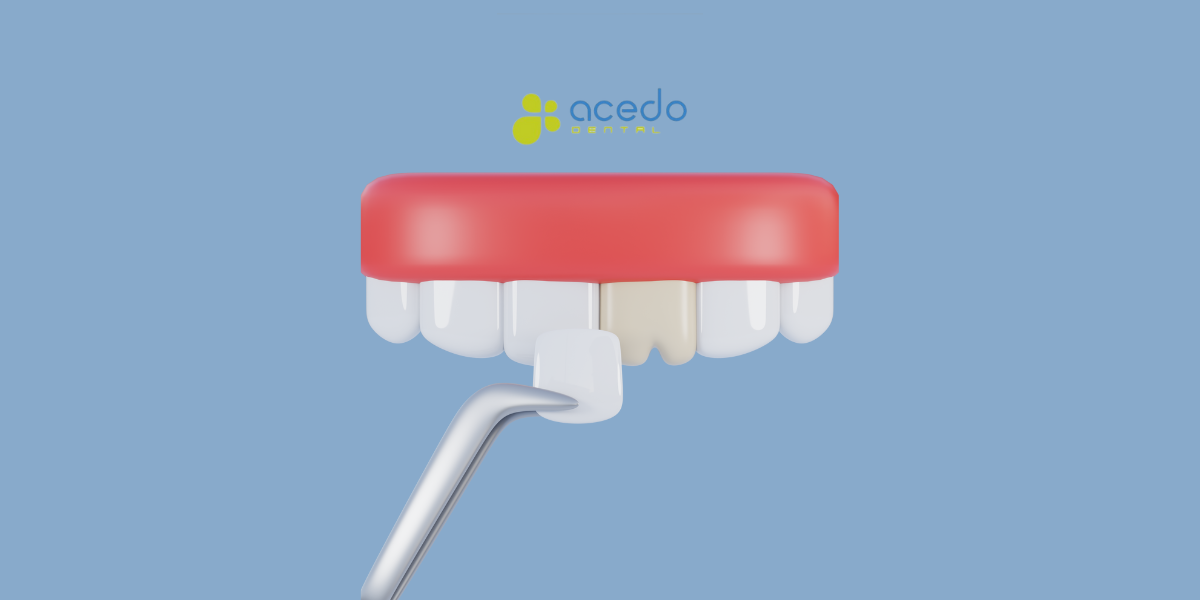
Would you like to improve your smile without undergoing years of orthodontics or complex treatments? Dental veneers are one of the fastest and most effective aesthetic solutions for safely and lastingly transforming the appearance of your teeth. But not all veneers are created equal, and choosing the right type is key to achieving a natural and functional result.
As Sanitas explains in its guide on dental veneersThis treatment allows you to correct the shape, color, and even the position of your teeth without surgery. In this article, we explain all the types of dental veneers, how they're placed, their advantages, and what you should consider before making your decision.
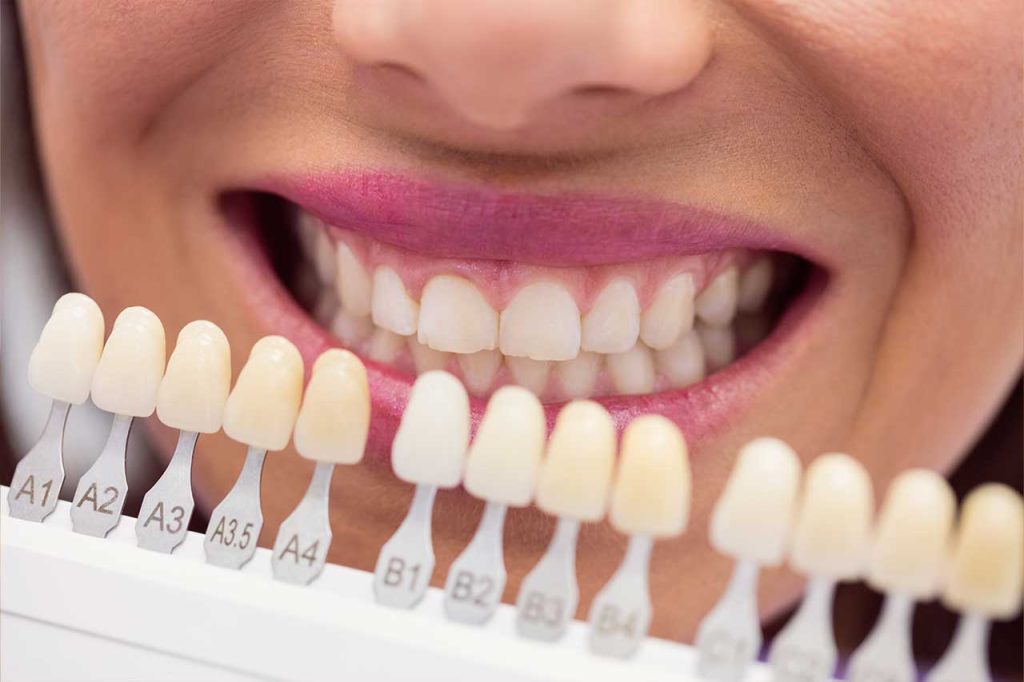
Table of Contents
- What are dental veneers?
- What types of dental veneers are there?
- How to choose the right type of dental veneer?
- Step by step veneer treatment
- Advantages of dental veneers
- Care after placing dental veneers
- Patient's opinion
- Frequently asked questions about types of dental veneers
- Book your appointment and redesign your smile at Acedo Dental Clinic
What are dental veneers?
Dental veneers are thin shells, usually made of porcelain or composite, that are bonded to the front surface of the teeth. They act as a "cosmetic cover" that corrects visible imperfections such as:
- Stained teeth or yellowish
- Fractures, wear, or uneven edges
- Diastemas (spaces between teeth)
- Slight misalignments without the need for orthodontics
- Short, uneven or disharmoniously shaped teeth
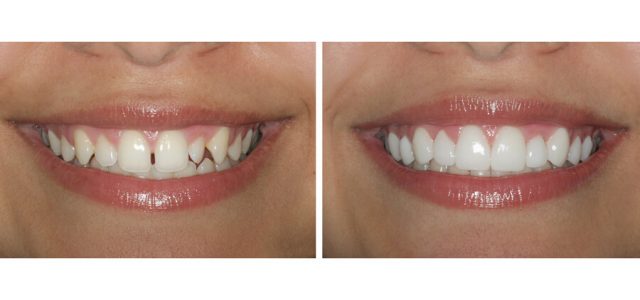
The best thing about this treatment is that it allows you to completely transform your smile in just a few sessions, offering natural, personalized, and long-lasting results.
You can see all the details of the treatment here: Dental veneers at Acedo Dental Clinic
What types of dental veneers are there?
There are several types of veneers depending on the material, the technique used, and the level of intervention on the natural tooth. Knowing their characteristics will help you make the best choice.
Porcelain veneers
These veneers are made in a dental laboratory using high-quality ceramic. They have a finish very similar to natural enamel, both in shine and translucency.
Advantages:
- Exceptional aesthetics: they best imitate natural teeth.
- High resistance: they withstand chewing very well.
- Long-term: between 10 and 15 years.
- Great color stability: they do not stain with coffee, wine or tobacco.
Disadvantages:
- Higher price.
- They need to minimally carve the tooth.
- The process can take 2-3 sessions.
Composite veneers
These are veneers made directly onto the tooth using a special resin. They are sculpted and fitted in the same clinic, so they don't require a laboratory.
Advantages:
- More economical.
- They are placed in a single session.
- Minimally invasive: sometimes they do not require carving.
Disadvantages:
- They stain more easily.
- Shorter duration: 5 to 7 years.
- Lower resistance to fractures.
Ultra-thin veneers (no prep)
These veneers are made of porcelain, but extremely thin (0.3-0.5 mm), so they can be placed without carving the natural tooth.
Advantages:
- Total conservation of the natural tooth.
- Reversible in some cases.
- Very natural aesthetics.
Disadvantages:
- Not suitable for all cases.
- Higher cost.
- Ideal dental conditions are required.
Temporary veneers
These are temporary veneers used during the manufacturing process for permanent veneers. They allow the patient to adapt and review the design before finalizing the treatment.
How to choose the right type of dental veneer?
This is a decision that should be made with your dentist, but there are several factors you should consider:
1. State of your teeth
If your teeth have internal stains, irregular shapes, or have lost structure due to wear, you may need porcelain veneers. If you're just looking for a minor aesthetic touch-up, composite veneers may be sufficient.
2. Desired aesthetic result
Are you looking for a completely new smile? Or just want to correct a small detail? Porcelain veneers are better suited for comprehensive changes, while composite veneers allow for quick touch-ups.
3. Budget
Composite veneers are more affordable, while porcelain veneers require a larger investment, but they also last much longer.
4. Available time
If you're in a hurry, composite veneers can be placed in a single session. Porcelain veneers require at least two or three visits for custom fabrication.
5. Personal habits
If you smoke, drink a lot of coffee, or brux (grind your teeth), more resistant materials such as porcelain and the use of a night guard will be recommended.
In Acedo Dental ClinicWe perform a detailed aesthetic analysis and digital simulations to show you what your new smile will look like before starting treatment.
Step by step veneer treatment
We explain in detail the typical process when you choose to have dental veneers placed:
1. Assessment and planning
- Clinical examination and x-rays if necessary
- Intraoral photographs and aesthetic analysis
- Choosing the most suitable type of veneer
- Explanation of the budget and number of sessions required
2. Smile design (digital or physical mock-up)
- Simulation of the final result before touching the teeth
- Adjusting the ideal color, shape and proportions
- Patient approval before proceeding
3. Tooth preparation (if applicable)
- In the case of porcelain veneers, minimal carving of the enamel is performed.
- Taking digital or conventional impressions
- Placement of temporary veneers (if required)
4. Laboratory manufacturing
- Creation of the final porcelain veneers
- Aesthetic quality control and precise fit
5. Final placement
- Withdrawal of provisionals
- Aesthetic and functional test
- Final cementation
- Occlusion review and polishing
Advantages of dental veneers
Getting dental veneers has multiple benefits, both aesthetic and functional:
Immediate aesthetic transformation
In just 1 or 2 sessions, you can go from a worn, yellowish, or uneven smile to a straight, white, and harmonious smile.
Conservation of natural teeth
Especially in the case of veneers without carving, the tooth enamel remains practically intact.
Increased personal confidence
Many patients improve not only their smile, but also their self-esteem, social life and confidence by public speaking.
Alternative solution to other treatments
Veneers can replace orthodontics or whitening in certain cases, especially when there are minor alignment or color defects that cannot be corrected with other methods.
Durable and safe materials
Porcelain veneers are highly resistant to wear, staining, and color changes. Furthermore, all materials used are biocompatible and safe.
Care after placing dental veneers
The long-term success of treatment depends largely on the care it receives. Here are our key recommendations:
- Impeccable oral hygiene: Brushing 3 times a day with soft toothpaste and flossing daily.
- Avoid aggressive foods and habits- Don't bite pens, nails, or ice. Limit coffee, red wine, or tea if you have composite veneers.
- Use a night splint if you have bruxism.: protects your veneers and your natural teeth.
- Go for cleanings and check-ups every 6 months: In our clinic we help you keep your veneers in perfect condition (cleanings and check-ups).
Patient's opinion
“I never thought my teeth could look so beautiful without braces. The Acedo team recommended composite veneers, and in just one session, I had a completely new smile. Not only do they look natural, but now I can smile without covering up. Thank you for restoring my confidence!”
— Sandra R., 29 years old – Esquivias (Toledo)
Frequently asked questions about types of dental veneers
What type of veneers is best?
Porcelain veneers offer better aesthetics and durability, but require a larger budget. Composite veneers are ideal if you're looking for a more affordable and faster replacement.
Do veneers require tooth carving?
It depends on the type. Traditional porcelain veneers do, but ultra-thin or composite veneers can be placed without any preparation or with minimal preparation.
How long do veneers last?
Porcelain veneers last between 10 and 15 years; composite veneers last between 5 and 7 years, depending on the patient's care and habits.
Can veneers be placed on only some teeth?
Yes. Veneers are usually placed on the most visible teeth (incisors and canines), although a customized plan can be designed.
Can I eat and talk normally?
Of course. After a brief adjustment, you'll eat and speak as usual. Veneers don't affect your speech or masticatory function.
Book your appointment and redesign your smile at Acedo Dental Clinic
If you're thinking about improving your smile, now's the time. Dental Clinic AcedoWe have a team specialized in dental aesthetics, digital smile design techniques, and high-end materials to create natural, harmonious, and long-lasting results.
Book an appointment with us and regain the functionality, aesthetics, and confidence of your smile.
Your smile also deserves to travel without worries!
📍 Tirso de Molina Street, 22, Seseña
📍 Calle Abanico, 10, Local 1, El Barco de Ávila
📞 669 95 66 58
📞 606 886 468
📧 info@acedodental.com
🌐 clinicasacedodental.com
Make your appointment today and discover the power of a well-groomed smile.
