Periodontics is the science that studies diseases related to the gum and their corresponding treatment.
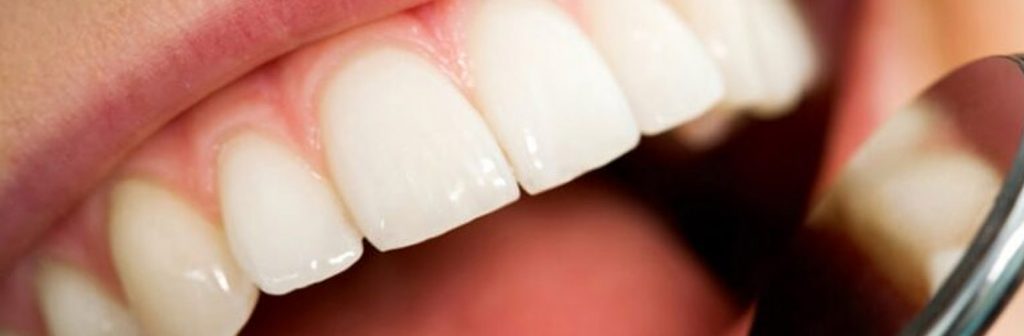
Gingivitis is the first stage of gum disease, it is a mild infection that causes inflammation, redness and bleeding of the gums. With proper hygiene and oral cleaning at the dentist, it is easily corrected..
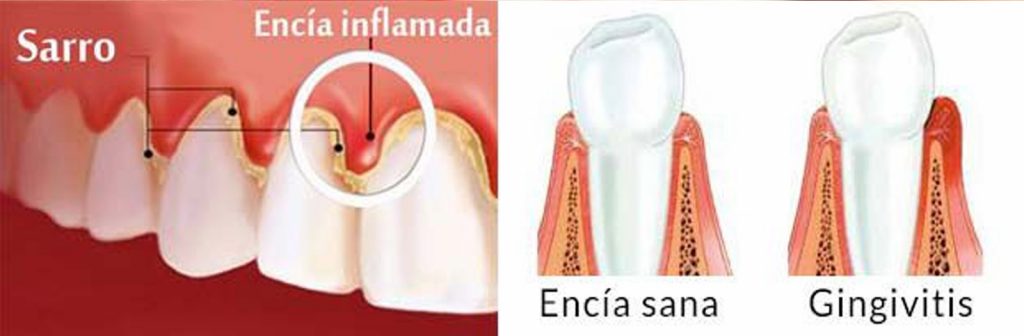
It is one of the most common pathologies in adulthood. It is believed to affect more than 70% of the population over 35 years of age, especially smokers. Early diagnosis is very important, since although its progression is slow, it is a pathology that becomes aggressive over the years, leading to the loss of all teeth. Its symptoms are: bleeding gums, inflammation of the gum line, suppuration and above all, we can see how the tissue supporting the teeth is diminishing, revealing the necks of the teeth.
It is treated by scaling and root planing, which consists of a deeper cleaning than conventional cleaning, performed with ultrasound and with instruments (curettes) that eliminate calculus from periodontal pockets..
If you're reading this, you've probably been diagnosed with periodontitis, also known as gum disease. You're not alone: it's a very common chronic condition, but one that can be effectively managed with proper treatment and care.
Periodontitis is an inflammatory disease of bacterial origin that affects the periodontium, the tissue that surrounds and supports your teeth. These harmful bacteria accumulate and multiply in the mouth, causing consequences such as:
Bleeding gums
Gingival recession
Tartar buildup (dental calculus) above and below the gum line
There are several factors that can contribute to its appearance and progression:
Genetic predisposition
Smoking
But above all, inadequate oral hygiene
Therefore, the first step to curbing this disease is to adopt good oral hygiene habits and follow a personalized treatment plan, accompanied by regular maintenance.
In Dental Clinic At Acedo, we have designed a specific protocol to treat this disease and help you preserve your teeth for as long as possible.
We perform an ultrasonic cleaning of supragingival tartar (the tartar above the gum). This first phase prepares the mouth for periodontal treatment.
It includes two essential tests:
Periodontogram: a detailed map of each tooth that shows the depth of the periodontal pockets.
Radiographic series: X-rays that show the degree of bone loss.
It is the key treatment to eliminate the infection:
It is performed by quadrants, with local anesthesia.
We remove subgingival tartar and inflamed tissue and smooth the tooth root with special instruments called curettes.
We use ultrasonic technology for greater effectiveness.
We evaluate how your mouth has responded and give you tips for further improvement.
We reinforce professional hygiene to ensure the stability of the treatment.
We performed a new periodontogram.
Once treatment is complete, the most important thing is long-term maintenance. Periodontitis is a chronic disease: it cannot be cured, but it can be managed with consistent treatment.
Brush your teeth 3 times a day, without exception.
Use interdental brushes every night.
Add a dental irrigator for cleaning with water and compressed air.
Apply specific products for periodontal maintenance recommended by your dentist.
If you smoke, reduce or eliminate tobacco is key to your recovery.
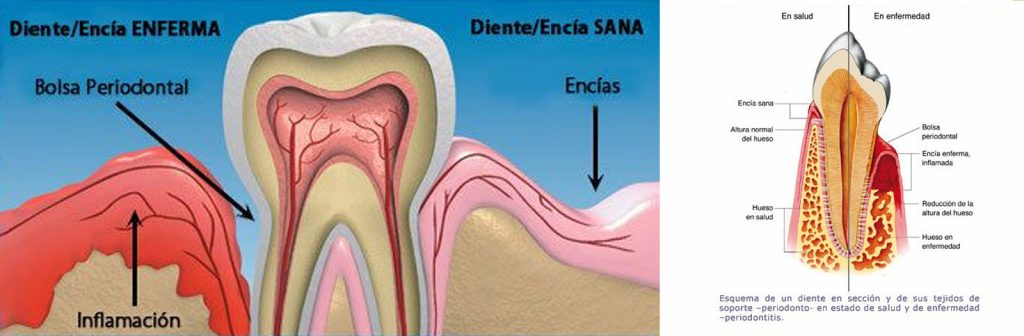
Gingival and periodontal pockets are abnormal spaces that form between the gum and the tooth. gingival pocket It is usually reversible and appears due to inflammation without bone loss, while periodontal pocket It involves deeper destruction of the tissue and bone that supports the tooth, and is characteristic of periodontitis. Both can cause discomfort., bad breath and bleeding, and require dental attention to avoid more serious complications such as tooth mobility or tooth loss. Detecting them early is key to preserving oral health.
As this infection progresses, the gum separates from the tooth, creating a cavity where bacteria multiply and destroy the supporting tissue. If not treated promptly, this condition can lead to bone loss, tooth mobility, and even tooth loss. Early detection of periodontal pockets through regular dental checkups and professional cleanings is key to slowing the progression of periodontal disease and maintaining good oral health.