
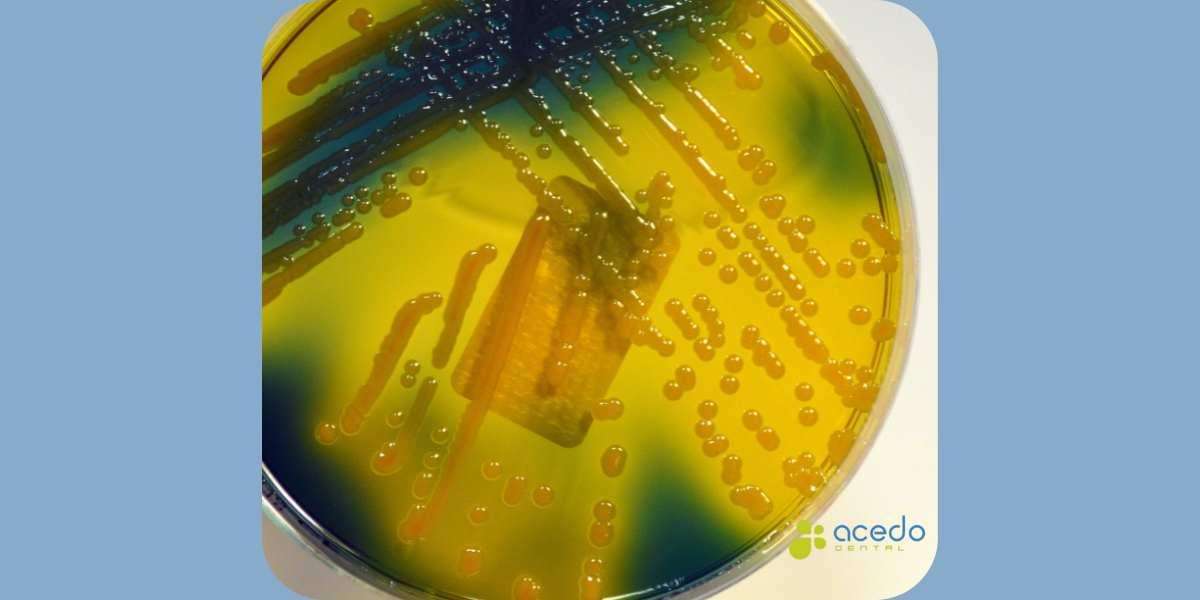
In Dental Clinic Acedo, We truly care about the oral health of our patients. Therefore, we want to dedicate this blog to a topic of great importance: dental biofilm, also known as bacterial plaque.
He dental biofilm It is a complex community of microorganisms That adhere to the surface of the teeth and gums, forming a movie sticky. If not removed regularly, it can lead to serious oral problems such as cavities, gingivitis and periodontitis.
In this blog, we will cover in depth everything you need to know about dental biofilm: what it is, how it forms, how to remove it, and how to control it to maintain a healthy smile.
- What is oral biofilm?
- How is oral biofilm formed?
- How to eliminate oral biofilm?
- How to control dental biofilm?
- Stages of dental biofilm formation
- Frequently asked questions about dental biofilm:
What is oral biofilm?
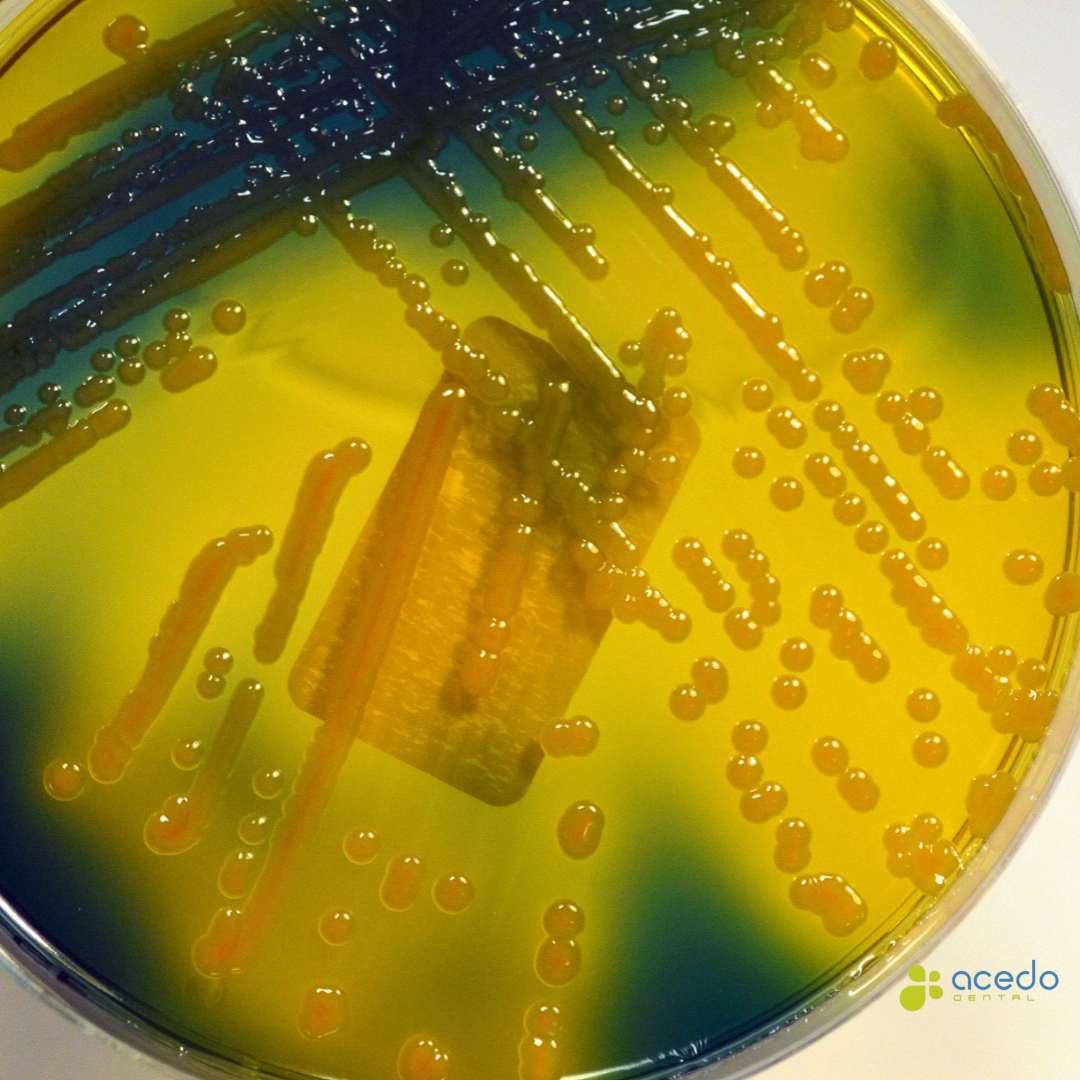
He oral biofilm It is a biofilm composed of bacteria, fungus and other microorganisms that adhere to the hard surfaces of the mouth, such as teeth, gums, and dentures. This biofilm is made up of an extracellular matrix that protects the bacteria and allows them to communicate with each other.
He oral biofilm it's a phenomenon natural and it is not harmful in itself. However, if not removed on a regular basis, it can accumulate and harden, becoming tartar. Tartar irritates the gums and creates a favorable environment for the growth of pathogenic bacteria, which can lead to oral diseases.

How is oral biofilm formed?
The training of oral biofilm is a gradual process which occurs in several stages:
- Accession: Bacteria adhere to the surface of teeth and gums using proteins called fimbriae.
- Colonization: Bacteria multiply and form colonies.
- Maturation: The biofilm becomes more complex and resistant.
- Mineralization: The biofilm calcifies and turns into tartar.
There are various factors that can promote the formation of dental biofilm, as:
- Poor oral hygiene: Not brushing your teeth twice a day or flossing regularly allows bacteria to build up and form biofilm.
- A diet rich in sugars: Sugars are the main food for the bacteria that form the dental biofilm.
- Dry mouth: Saliva helps eliminate bacteria from the mouth. If you have dry mouth, bacteria have an easier time adhering to oral surfaces and forming biofilm.
- Smoking: Tobacco contains substances that damage the gums and promote the formation of biofilm.
How to eliminate oral biofilm?
Removing this is essential to maintaining good oral health. There are two main methods to remove it:
1. Oral hygiene:
- Brushed: It is important to brush your teeth twice a day for at least two minutes with a soft-bristled toothbrush and a fluoride toothpaste.
- Floss: Dental floss is essential to eliminate dental biofilm from the interdental spaces, where the toothbrush cannot reach.
- Mouthwashes: Mouthwashes with antiseptics can help reduce the amount of bacteria in the mouth.
2. Professional dental cleaning:
It is recommended to visit the dentist at least once a year for a dental cleaning professional. In this cleaning, the dentist will remove tartar and biofilm from areas that are difficult to clean with brushing and flossing.
How to control dental biofilm?
In addition to removing dental biofilm on a regular basis, there are other measures you can take to control it:
- Maintain a healthy diet: Limit the consumption of sugars and refined carbohydrates.
- Drink a lot of water: Saliva helps eliminate bacteria from the mouth.
- Give up smoking: Tobacco is an important risk factor for oral diseases.
- Use specific products to control dental biofilm: There are specific toothpastes and mouthwashes to control dental biofilm.
Stages of dental biofilm formation
Dental biofilm forms through a progressive process that begins a few minutes after brushing. In the first phase, the acquired pellicle is created—an invisible layer of salivary proteins that adheres to the enamel. Next, the initial bacteria attach to this surface and begin to multiply. In the maturation phase, the bacteria produce a protective matrix that allows them to organize themselves and resist mechanical removal. Finally, the biofilm becomes more complex and pathogenic, promoting the development of cavities and gum disease if it is not properly removed through oral hygiene and professional checkups.
Smiles that draw health and well-being!
Frequently asked questions about dental biofilm:
What are the symptoms of dental biofilm?
Dental biofilm usually doesn't present any symptoms in the early stages of formation. However, as it accumulates, it can cause:
- Bad breath (halitosis).
- Red and swollen gums.
- Bleeding gums.
- Dental mobility.
- Pain in the gums.
How can I know if I have dental biofilm?
Your dentist can detect dental biofilm.
How do you remove dental biofilm?
Dental biofilm is removed through proper daily oral hygiene, including brushing with fluoride toothpaste, flossing, interdental brushes, and mouthwash. In addition, regular professional cleanings at the dental office are recommended to completely remove any residue that cannot be removed at home.
What are the consequences of not removing biofilm?
If not removed, biofilm can harden and turn into tartar, causing gum inflammation, cavities, gingivitis, or even periodontitis. These conditions can lead to tooth loss if not treated promptly.
How often should biofilm be removed in consultation?
Ideally, you should visit your dentist every six months for a professional cleaning to remove accumulated biofilm. However, the frequency may vary depending on each patient's individual risk, so it's advisable to follow your dentist's instructions.
At Acedo Dental Clinic, we are committed to the oral health of our patients. If you have any ask about dental biofilm or do you want a cleaning professional dental, do not hesitate to contact us.
Remember that good oral hygiene is essential to maintain a healthy smile and prevent serious oral diseases.
Book your appointment today and wear a smile healthy, without discomfort and radiant to be proud of.
How can I book my appointment?
Booking your free appointment is very simple:
If you are in Seseña:
- Address: Calle Tirso de Molina 22, 45223 Seseña
- Phone: 669 956 658
If you are in El Barco de Ávila:
- Address: C. del Abanico, 10, Local 1, 05600 El Barco de Ávila, Ávila
- Phone: 606 886 468
Our customer service team will assist you with kindness and help you schedule your appointment at a time that best suits you.
We will wait for you!
