

He facial peel It has become one of the most sought-after treatments in aesthetic medicine due to its visible effectiveness and its ability to improve skin health from the very first sessions. This procedure, also known as chemical, mechanical, or enzymatic exfoliation, removes dead cells from the skin's surface layers and stimulates its natural regeneration.
Thanks to its deep action, the peel achieves brighter, more even, and younger-looking skin, combating imperfections such as sunspots, fine lines, and acne scars. Dental Clinic Acedo, In Seseña, we work with safe protocols adapted to each skin type, guaranteeing natural and long-lasting results.
You can find more information about how chemical peels work on the skin by consulting this article from Mayo Clinic.
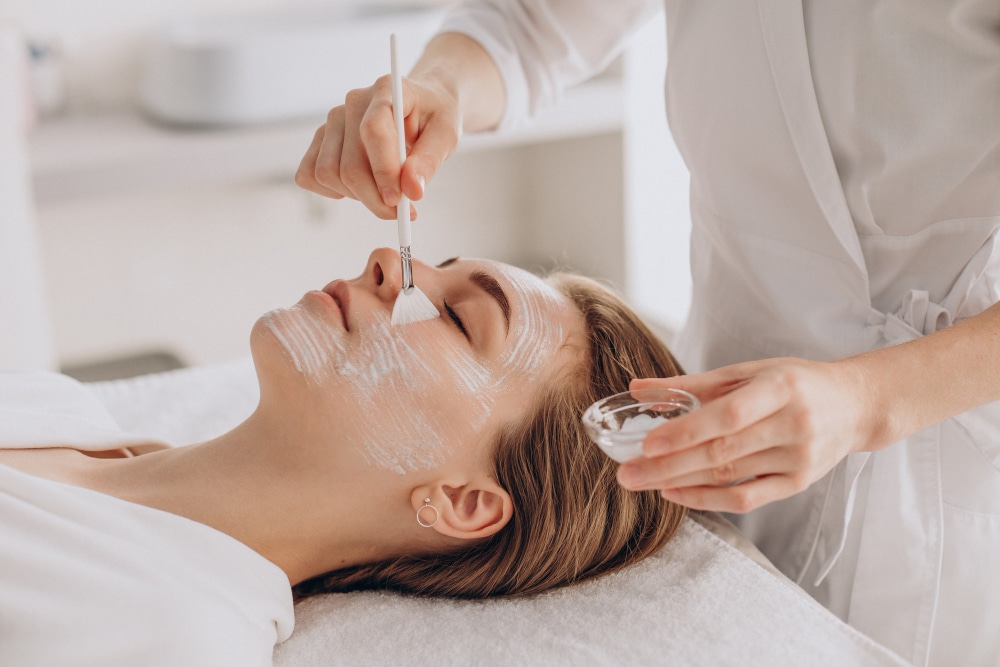
What is a facial peel?
What is a facial peel and how does it work?
A facial peel involves applying different agents—chemical, enzymatic, or physical—to the skin to remove the outermost layers of the epidermis. This stimulates cell renewal, promoting the production of... collagen and elastin, two essential proteins for maintaining skin firmness and elasticity.
The procedure can be performed at different depths depending on the problem to be treated:
- Superficial: It acts only on the outermost layer and improves tone and luminosity.
- Half: It penetrates to the middle dermis, helping to correct blemishes and fine wrinkles.
- Deep: It reaches deeper layers and is indicated for cases of advanced aging or deep scars.
In all cases, the professional selects the appropriate type of peel according to the skin phototype, sensitivity, and treatment objectives.
Types of facial peels
There are different types of peels, each with a specific mechanism of action and benefits.
Chemical peeling
It uses substances such as glycolic, salicylic, lactic, mandelic or trichloroacetic acids. These components act on the surface cells, causing controlled exfoliation that stimulates tissue regeneration.
- Suitable for: dull skin, sunspots, fine wrinkles and acne.
- Results: smoother, more even and rejuvenated skin.
Mechanical peeling
This type of peel is performed using microcrystals or diamond tips, These exfoliate the skin's surface physically. They are ideal for removing impurities, improving texture, and stimulating circulation.
- Suitable for: skin with enlarged pores, uneven texture or minor scars.
- Results: smoother, cleaner, and more even skin.
Enzyme peeling
It uses natural enzymes from fruits like papaya or pineapple, which remove dead skin cells without causing irritation. It's the gentlest of all and is recommended for sensitive skin or skin prone to rosacea.
- Suitable for: delicate, dry or easily irritated skin.
- Results: fresher, calmer and more radiant skin.
For more information on the specific benefits of chemical peeling, we recommend consulting this article from the American Academy of Dermatology.
Benefits of facial peeling
Peeling has not only aesthetic purposes, but also therapeutic ones. It provides multiple benefits for the skin:
- Improves skin texture and radiance: It removes dead skin cells and leaves skin smoother and more even.
- Reduces sunspots and acne marks: Specific acids lighten hyperpigmentation and improve the appearance of superficial scars.
- Stimulates the production of collagen and elastin: The skin becomes firmer and more elastic, reducing sagging and wrinkles.
- Controls excess oil and acne breakouts: It regulates sebum production and cleans clogged pores.
- It increases the effectiveness of other aesthetic treatments: By renewing the skin, it improves the absorption of active ingredients such as hyaluronic acid or vitamin C.
In addition, facial peels can be combined with complementary facial aesthetic treatments, such as mesotherapy or radiofrequency, to enhance results and maintain younger-looking skin for longer.
Types of peeling according to your needs
It is important to choose the right type of peel for your skin. Here are the most common options:
Superficial peeling
Ideal for sensitive skin or those looking for a gentle treatment, this peel improves radiance and helps with minor issues such as uneven skin tone.
Medium peeling
Recommended for treating sun spots, scars and moderate wrinkles. It usually requires a short recovery period.
Deep peeling
It is used for more serious problems such as deep scars or severe sun damage. It offers more visible results, but requires more post-treatment care.
How to prepare your skin before a facial peel
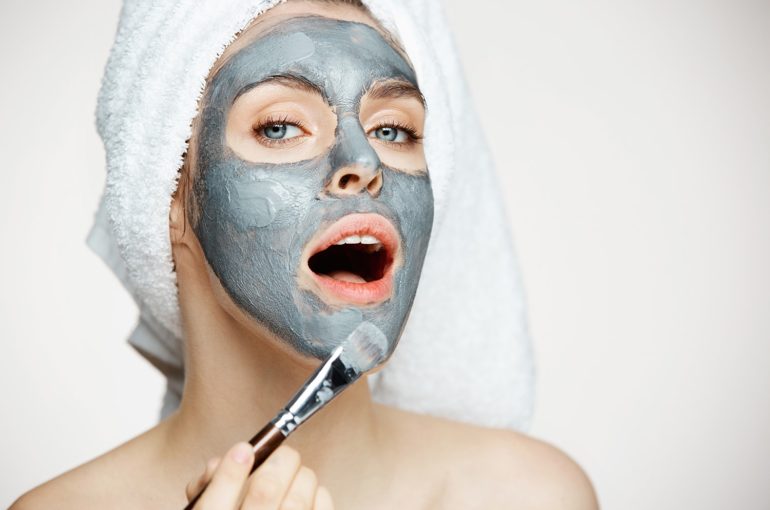
Proper preparation before treatment ensures even exfoliation and reduces the possibility of side effects.
- Prior consultation: The specialist will assess your skin type, medical history, and aesthetic goals.
- Avoid sun exposure: at least 7 days before the procedure.
- Do not use exfoliants or creams with retinoids: They can sensitize the skin and cause irritation.
- Hydrate your face regularly: Well-hydrated skin responds better to treatment.
- Avoid prior facial hair removal or abrasive treatments.
The doctor may recommend a preparation cream with mild acids a few days before to condition the skin and improve the penetration of the peel.
Post-peeling care: keys to an optimal result
Aftercare is just as important as the treatment itself. To protect your skin and enhance the results, keep the following recommendations in mind:
- Use sunscreen: The skin will be more sensitive, so it is essential to avoid UV damage.
- Constantly hydrate: Helps regeneration and relieves possible discomfort.
- Avoid makeup for the first 24 hours: To avoid clogging pores.
- Don't touch your skin: Avoid removing dead skin or scabs that may form.
- Follow your doctor's instructions: Use the recommended products for post-treatment.
Aesthetic treatments, such as facial peeling, not only improve the health of the skin, but are also complemented by other innovations, such as the use of hyaluronic acid, which has applications in dentistry and facial aesthetics.
Post-facial peel care
Post-treatment care is a crucial phase for achieving optimal results and avoiding complications. During the following days, the skin is more sensitive and requires special care:
- Protect your skin from the sun: Use SPF 50 sunscreen daily, even if you don't leave the house.
- Avoid makeup for 24-48 hours: Let the skin breathe and regenerate.
- Do not manually remove the peeling skin: It allows it to renew itself naturally.
- Apply soothing and regenerating creams: The specialist will tell you which ones are most suitable for your case.
- Stay well hydrated: Drink plenty of water and use moisturizing products.
- Avoid swimming pools, saunas, and heat treatments for one week.
Some redness or mild itching is normal during the first few hours. If you experience severe discomfort, you should contact the center to assess your condition.
Contraindications of facial peels
Although it is a safe procedure, peeling is not recommended in the following cases:
- Skin with active wounds or infections.
- Outbreaks of inflammatory acne or severe rosacea.
- Pregnancy or breastfeeding (in some types of peeling).
- Recent use of isotretinoin or other photosensitizing treatments.
That's why it's important to always have a medical evaluation before treatment.
Differences between facial peels and other rejuvenating treatments
Although facial peels are a very effective technique for skin renewal, they are not the only treatment that improves its appearance. In facial aesthetics, there are complementary or alternative treatments depending on each person's goals.
For example, the microdermabrasion It exfoliates the skin more superficially, ideal for those seeking a light improvement with no downtime. facial mesotherapy It deeply hydrates through microinjections of hyaluronic acid and vitamins, achieving brighter skin from within. On the other hand, the facial radiofrequency It stimulates collagen production without exfoliation, combating sagging and redefining the facial oval.
At Acedo Dental Clinic, we provide personalized advice to determine which procedure—peeling, mesotherapy, or radiofrequency—is best suited to your skin type and desired results.
Patient's opinion
“I had been looking for a solution for sunspots and dull skin tone for some time. At Acedo Dental Clinic, they explained in detail which type of peel would be best for me. After the first session, I already noticed my skin was more even and had a natural glow. The best part was the trust and attention I received at all times.”
— Laura S., facial aesthetics patient in Seseña
Frequently asked questions about facial peels
How long does recovery take after a facial peel?
The time varies depending on the type of peel. Superficial peels require a few hours, while deep peels can take up to two weeks.
Is a facial peel painful?
In general, peels are not painful. You may feel a slight burning or stinging sensation during the procedure, especially with more intense peels.
Who should not undergo a facial peel?
People with extremely sensitive skin, active rosacea or skin infections should avoid this treatment without the approval of a specialist.
How many sessions are recommended?
It is generally recommended between 3 and 6 sessions spaced every 3 or 4 weeks for complete and lasting results.
Can I get a chemical peel if I have active acne?
Yes, always under medical supervision. Salicylic acid peels help control acne, but they should be performed during non-inflammatory phases.
What is the most recommended age to start?
From the age of 25, it can be performed as a preventative measure against aging or to maintain a luminous and balanced skin.
What results can I expect?
Smoother, brighter, and more even skin, with fewer blemishes, fine lines, and visible pores. Results intensify with each session.
Schedule a consultation at Acedo Dental
If you want to start showing off your smile, now is the time to start taking care of your smile. Call now at 669 95 66 58 to schedule your appointment at our Seseña clinic or at 606 886 468 for our clinic in El Barco de Ávila. It's the first step towards a dazzling, confident smile!
