

When we think about physical performance, we usually focus on training, nutrition, hydration, and rest. However, there's a factor that often goes unnoticed but has a direct impact on the body's ability to respond to exertion: the dental health of athletes. The condition of your mouth not only affects your smile but also plays a role in oxygenation, muscle recovery, and injury prevention. According to the General Council of Dentists of Spain, The bacteria present in oral infections can move into the bloodstream, reaching the muscles and joints, which weakens the athlete's overall physical system.
The human body functions as an interconnected system. A toothache, inflamed gums, or untreated cavities trigger an inflammatory response throughout the body. The immune system dedicates energy and resources to fighting the infection in the mouth, reducing the recovery capacity of muscle fibers damaged during exercise. Dental Clinic At Acedo, both at our Seseña and El Barco de Ávila locations, we frequently see patients who regularly participate in sports and are unaware of how their exercise routines are wearing down their enamel or causing tension in their jaw. Understanding this relationship is the first step to improving both oral health and athletic performance.
Playing sports is essential for a healthy lifestyle, but it subjects the body to physiological stress that also affects the oral cavity. From dry mouth caused by heavy breathing to the consumption of energy-rich foods, teeth face constant challenges. Throughout this article, we detail exactly what happens in the mouth of someone who trains regularly, what risks exist, and what habits should be adopted so that a healthy smile is never an obstacle on the path to achieving one's goals.
Why intense exercise affects your teeth
During exercise, especially in high-intensity or long-duration disciplines like running, cycling, or CrossFit, the way the body functions changes drastically. One of the first changes occurs in breathing. Needing a greater volume of oxygen, athletes tend to breathe through their mouths instead of their noses. This continuous flow of air dries out the oral cavity, significantly reducing saliva production. Saliva is the primary natural protector of teeth: it helps neutralize acids, cleans away food debris, and remineralizes enamel. When the mouth dries out, a condition known as xerostomia, teeth become vulnerable to bacterial attack.
In addition to the lack of lubrication and salivary protection, intense exercise is often accompanied by muscle tension. It's very common for athletes to unconsciously clench their teeth tightly when lifting weights, sprinting, or exerting maximum effort. This constant and excessive friction causes premature enamel wear and can lead to micro-cracks or even dental fractures. The temporomandibular joint also suffers, causing headaches, neck pain, and backaches, which athletes may mistake for simple training overload.
Another determining factor is the alteration of pH in the mouth. Physical exertion raises body temperature and changes the composition of saliva, making it slightly more acidic. If we add to this the fact that tooth enamel begins to demineralize when the pH drops below 5.5, the risk of structural damage to the teeth increases considerably during training. Therefore, simply subjecting the body to continuous physical exertion creates a more hostile oral environment that requires specific preventive care through... cleanings and check-ups periodic.

Main oral health problems in people who play sports
The lifestyle of athletes and the demands of their sport contribute to the development of certain oral pathologies. Tooth decay is by far the most widespread problem. Although athletes generally maintain a healthy diet, their consumption of rapidly absorbed carbohydrates during training to replenish glycogen is very high. These sugars are the primary food source for the bacteria that cause cavities. When combined with the dry mouth mentioned earlier, this creates the perfect environment for cavities to progress rapidly, silently destroying tooth structure.
Gingivitis and periodontitis are other common conditions. Bacterial plaque accumulates more easily when there isn't enough saliva to wash it away. If this plaque isn't removed properly, it hardens into tartar, which irritates, inflames, and causes the gums to bleed. In athletes, a periodontal disease Uncontrolled inflammation is a serious risk factor, as chronic gum inflammation keeps the immune system in a constant state of alert. This means the body is fighting a bacterial infection while simultaneously trying to repair muscle tissue damaged by exercise, thus delaying rest and regeneration.
Tooth wear due to acid erosion and mechanical friction is another recurring problem. Chemical erosion occurs when acid progressively dissolves the enamel minerals, leaving the dentin exposed. This causes a tooth sensitivity Severe; the athlete may experience sharp pain when drinking cold water or breathing icy air in winter. Meanwhile, the mechanical friction caused by bruxism during exertion wears down the teeth, making them flat, yellowed, and much more fragile to any impact. If not stopped in time, this wear can require complex treatments. dental prostheses or complete oral rehabilitation.
Finally, dental trauma cannot be ignored. In contact sports such as soccer, basketball, martial arts, or rugby, blows to the mouth are a frequent cause of tooth loss, root fractures, and deep cuts to the lips and cheeks. Even in individual sports like cycling or skating, a fall can result in a serious dental emergency if proper protection is not worn.
How poor oral health affects physical performance
The connection between the mouth and the rest of the body is direct, through the bloodstream. When an infection is present in the oral cavity, such as advanced periodontitis or a periapical abscess (an infection at the root of a tooth), the pathogenic bacteria and the toxins they produce are not confined to the mouth. Through the small blood vessels in the gums, these microorganisms travel throughout the body. This bacterial migration is known as bacteremia and has detrimental consequences for physical performance.
Once in the bloodstream, bacteria can lodge in muscles, joints, and tendons. The body reacts by sending white blood cells to combat the threat, triggering a systemic inflammatory response. For an athlete, this translates into a greater susceptibility to muscle tears, tendinitis, cramps, and unexplained joint pain. It is common to find athletes who suffer repetitive muscle injuries in the same area, and after undergoing multiple unsuccessful physiotherapy sessions, discover that the source of the problem was a hidden dental infection. When the mouth is treated with a endodontics and conservative dentistry, The general inflammation disappears and the muscle returns to normal.
In addition to muscle injuries, poor oral health leads to premature fatigue. If the immune system is constantly expending energy to fight a gum infection, that energy won't be available for demanding training or competition. The athlete will experience unusual tiredness, their endurance will decrease, and their recovery time between sessions will be much longer. The body prioritizes survival and fighting the infection over athletic performance.
Body posture and balance can also be affected by problems in the mouth. The jaw is connected to the skull and cervical spine through a complex system of muscles and ligaments. If a tooth is missing, the bite is misaligned, or there is tension due to bruxism (teeth grinding), an imbalance occurs in the temporomandibular joint. This imbalance forces the neck and shoulder muscles to compensate for the posture, generating contractures that can extend down to the back and pelvis, altering the biomechanics of the stride while running or the symmetry when lifting weights.
The relationship between energy drinks and enamel erosion
The sports nutrition industry has popularized the use of isotonic drinks, fast-absorbing gels, energy bars, and pre-workout supplements. These products are designed to provide immediate energy, replenish electrolytes, and delay fatigue. However, from a dental perspective, they are a ticking time bomb for tooth enamel due to their chemical composition.
The main problem with sports drinks is their acidity level. To preserve these liquids properly and give them a pleasant taste that masks the minerals, acids like citric acid are added. The pH of many commercial isotonic drinks is between 2.5 and 3.5, an extremely high level of acidity considering that tooth enamel begins to dissolve at a pH of 5.5. When athletes sip throughout their training, they are continuously bathing their teeth in acid, preventing saliva from having time to neutralize the acid.
In addition to their acidity, energy gels and drinks have a very high content of simple sugars. These sugars adhere to the tooth surface, which is already softened by acid and lacks the usual protection of saliva due to dry mouth. Bacteria in the mouth metabolize these sugars rapidly, producing even more acid and accelerating tooth decay. The result is severe demineralization that leaves teeth porous, translucent at the edges, and extremely sensitive. In cases of advanced wear, the only aesthetic and functional solution may be to resort to dental treatments. cosmetic dentistry and veneers to protect the tooth and restore its original shape.
To minimize this impact, athletes don't need to completely stop using these supplements, but they do need to change how they consume them. It's recommended to alternate sips of sports drinks with gulps of pure water to rinse the mouth and help restore pH balance. In the case of gels, it's vital to drink water immediately afterward to wash away the sticky residue that gets trapped between the teeth. Likewise, it's a very common mistake to brush your teeth immediately after training if you've consumed these products. The enamel is softened by the acid, and the friction of the brush will act like sandpaper, wearing down the protective layer. Ideally, you should wait at least 30 to 40 minutes for saliva to remineralize the teeth before brushing.
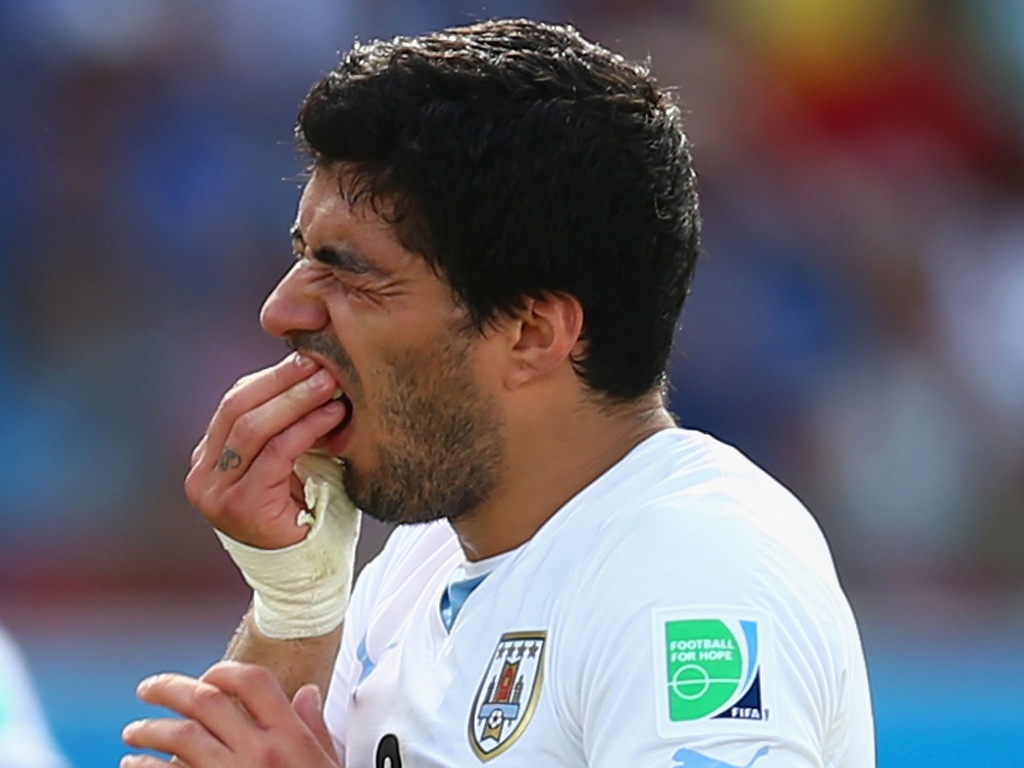
Mouthguards for athletes and injury prevention
Preventing blows and fractures is a fundamental aspect of oral health in sports. Trauma to the maxillofacial area not only leads to tooth loss but can also cause fractures in the alveolar bone, deep cuts, and irreversible damage to dental nerves. To avoid these emergencies, the use of mouthguards is essential, and not only in disciplines where contact is common, such as boxing, karate, or rugby. Sports like basketball, handball, hockey, and even mountain biking have high rates of dental injuries that could be minimized with proper protection.
A mouthguard acts as a shock absorber. Its main function is to absorb and dissipate the energy of an impact, preventing the force from concentrating on a single tooth or being transmitted abruptly to the jaw joint and the base of the skull. By maintaining a small gap between the upper and lower jaw, it also prevents the teeth from colliding violently, which often causes fractures or minor concussions.
It's important to note that not all mouthguards offer the same level of protection. Standard mouthguards purchased in sporting goods stores are often uncomfortable, restrict breathing, and force the athlete to keep their mouth closed to prevent them from falling off, which reduces performance. Mouthguards that can be molded with boiling water offer a slightly better fit, but they tend to lose their shape and don't guarantee uniform thickness in high-risk areas.
The safest, most comfortable, and most professional option is a custom-made mouthguard from a dental clinic. At Acedo Dental Clinic, we take precise impressions of the patient's mouth to create a sports mouthguard from high-resistance thermoplastic materials. This mouthguard fits perfectly, stays in place when speaking or breathing deeply, and provides the exact thickness needed to absorb impacts without being bulky. If you play sports with a risk of falls or contact in the Toledo or Ávila area, investing in a custom-made mouthguard at our clinics in Seseña or El Barco de Ávila is the best decision to ensure the integrity of your smile.
Recommended dental hygiene and care habits for athletes
Maintaining optimal oral health as an athlete doesn't require impossible routines, but rather consistency and attention to small details that make all the difference. The cornerstone remains brushing your teeth, which should be done at least twice a day, paying special attention to brushing at night. During the night, saliva production naturally decreases, so going to sleep with plaque or sugary residue from your workout meal drastically increases the risk of cavities.
The use of dental floss or interdental brushes is essential. Plaque tends to accumulate in the spaces between teeth, areas that a conventional toothbrush can't reach. In athletes, whose carbohydrate intake is high, cleaning these spaces daily prevents gum inflammation and slows the development of interproximal cavities. Furthermore, it's advisable to use toothpaste rich in fluoride, as this mineral strengthens the enamel structure, making it more resistant to the acidic effects of sports drinks.
Hydration plays a vital preventative role. Drinking plenty of water throughout the day, and especially during and after exercise, is the best way to combat dry mouth and maintain active saliva flow. Water helps cleanse the oral cavity, dilutes acids, and removes food debris or supplement residue. If you consume isotonic drinks, try to do so quickly rather than holding the liquid in your mouth for an extended period, and always follow with a sip of water.
Ultimately, clinical prevention is an athlete's best ally. Visiting the dentist for professional cleanings and comprehensive checkups every six months allows for the timely detection of small cavities, early signs of gingivitis, or wear and tear from bruxism. If your dentist notices that you are clenching your teeth while training or sleeping, they may recommend the use of a night guard. Consistent professional follow-up ensures that any oral health problems are addressed before they cause systemic inflammation and ultimately affect your athletic performance or lead to muscle injury.
The experience of an athlete patient at our clinic
To understand in a practical way how oral health affects athletic performance, we want to share the case of Javier, a 34-year-old patient who came to our clinic in El Barco de Ávila. Javier is a regular marathon runner and amateur cyclist. He had been suffering from tendinitis in his right knee for several months, which wouldn't heal, and he experienced constant muscle cramps in his calves during long runs. He also noticed sensitivity when taking cold gels and woke up with pain in his jaw and neck.
During a thorough examination and X-rays, we detected two main problems. First, he had severe wear on his molars caused by bruxism; the stress of training and competition made him clench his teeth tightly. Second, we located a chronic, silent infection at the root of an old premolar that had lost vitality after a bicycle accident years earlier. This infection was releasing bacteria into the bloodstream, maintaining an inflammatory state that prevented his tendons and muscles from recovering properly after exertion.
We devised an immediate treatment plan. We performed a root canal to eliminate the infection, cleaned his gums, and created a custom-made splint to relax his temporomandibular joint and protect his teeth from wear. Within a few weeks, Javier noticed a radical change. His neck pain disappeared as the jaw tension eased. But what surprised him most was that the knee tendinitis, which he had been treating unsuccessfully for months, improved dramatically once the source of infection in his mouth was eliminated. Today, Javier continues to compete, keeps his mouth properly hydrated after using gels, and attends his regular checkups without fail, knowing that his dental health is an integral part of his invisible training.
Frequently asked questions about oral health and sports
Why do my teeth get cavities if I do sports?
The increase in cavities among athletes is mainly due to two factors: dry mouth and diet. When exercising and breathing through the mouth, saliva production decreases, leaving teeth without their natural protection. If this is combined with the frequent consumption of sports drinks, energy gels, or bars high in sugars and acids, bacteria find the ideal environment to proliferate and rapidly destroy enamel.
What happens if I train with a toothache?
Training with a toothache or an active dental infection is counterproductive. Pain indicates inflammation, and if there's an infection, bacteria are entering the bloodstream. This causes fatigue, weakens your immune system, and significantly increases the risk of muscle injuries, cramps, and tendonitis. Furthermore, your performance will suffer because your body is expending energy fighting the infection.
Is it bad to drink isotonic drinks for your teeth?
It's not that these drinks are inherently bad for your health, but they are very harmful to tooth enamel if consumed incorrectly. These beverages have a very acidic pH and a high sugar content. If consumed in small, continuous sips, the enamel softens. It is recommended to alternate their consumption with plain water and never brush your teeth immediately after drinking them.
How to avoid clenching your jaw when lifting weights?
Clenching your teeth during maximum exertion is a reflex action of the nervous system to stabilize the body and generate force. It's very difficult to consciously avoid. The best solution to protect your teeth from this mechanical wear and prevent joint pain is to use a custom-fitted mouthguard during strength or weight training, which cushions the pressure and protects the enamel.
How much does a custom-made mouthguard cost?
The price of a custom-made mouthguard varies depending on the materials, the thickness required for the specific sport, and the patient's oral characteristics. Although it represents a larger investment than standard mouthguards from sporting goods stores, their perfect fit, comfort, breathability, and superior level of protection more than compensate for the cost, preventing expensive dental treatments for fractures.
How often should an athlete go to the dentist?
Anyone who regularly participates in sports or competes at a high level should visit the dental clinic at least twice a year for checkups and professional cleanings. This six-monthly checkup allows for the early detection of cavities, gum problems, or wear from friction, ensuring that no oral pathology interferes with the sports season or causes related muscle problems.
Protect your smile and improve your performance
Don't let poor oral health hold you back when you're trying to reach your athletic goals. As we've seen, taking care of your teeth and gums isn't just about aesthetics; it's a key component that allows your body to perform at its best, recover faster, and avoid unnecessary muscle and joint injuries. Integrating dental prevention into your training routine is a smart decision that will extend your athletic career in optimal condition.
At Acedo Dental Clinic, we have a multidisciplinary team ready to assess your case, detect any wear and tear, and advise you on the best way to protect your mouth while you do what you love. Whether it's to check for discomfort, create a custom-made sports mouthguard, or treat inflammation, we are at your service. Make your appointment Visit our clinic in Seseña or our headquarters in El Barco de Ávila, and make sure your smile has the same strength and resilience as you.
Book your appointment today and wear a smile healthy, without discomfort and radiant to be proud of.
How can I book my appointment?
Booking your free appointment is very simple:
If you are in Seseña:
- Address: Calle Tirso de Molina 22, 45223 Seseña
- Phone: 669 956 658
If you are in El Barco de Ávila:
- Address: C. del Abanico, 10, Local 1, 05600 El Barco de Ávila, Ávila
- Phone: 606 886 468
Our customer service team will assist you with kindness and help you schedule your appointment at a time that best suits you.
We will wait for you!
