

Allergies to dental materials can affect some patients during dental treatments. Although they are not very common, it is important to understand their causes, symptoms, and possible solutions to avoid complications. In this article, we will explore in detail allergies to different materials used in dentistry and how to prevent them.
For those seeking information on hypoallergenic materials in dentistry, there are safe options that can reduce risks. Learn more about biocompatible dental materials here..
Table of Contents
- Why do allergies to dental materials occur?
- Dental materials that can cause allergies
- Symptoms of dental material allergies
- Allergic reactions to dentures
- Dental material allergy test
- What does the dental material allergy test consist of?
- What is dental resin and why can it cause allergies?
- Can you be allergic to dental zirconium?
- How to prevent and treat dental material allergies
- Irritation from dentures
- Frequently Asked Questions About Dental Material Allergies
Why do allergies to dental materials occur?
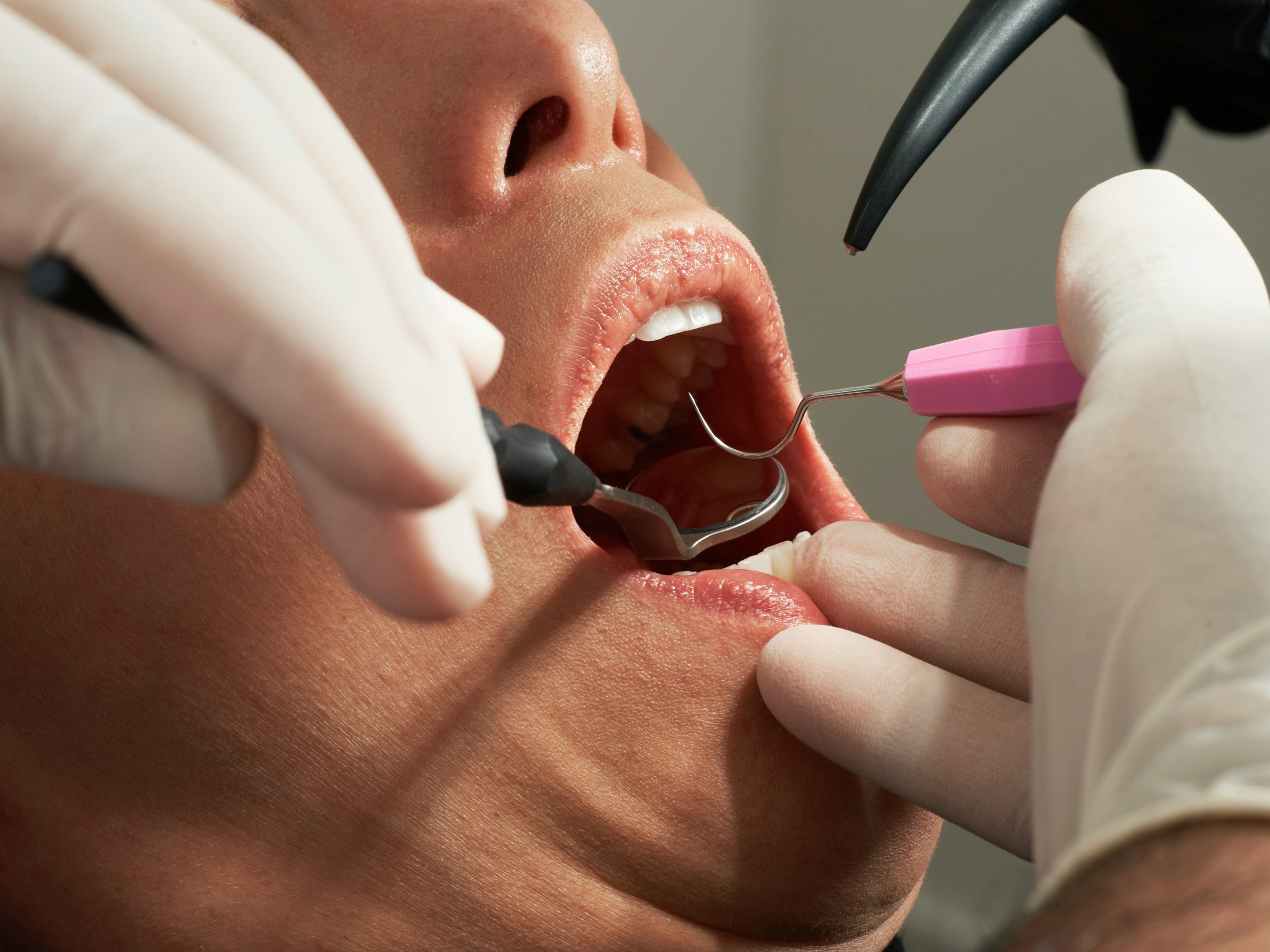
Dental material allergies occur when the immune system reacts to a specific substance. This may be due to the composition of certain materials used in fillings, dentures, orthodontics, or dental implantsAmong the factors that influence the appearance of these allergies are:
- Genetic sensitivity: Some people are more prone to allergic reactions.
- Prolonged exposure: Repeated contact with certain materials can trigger an allergy over time.
- Chemical composition: Some materials contain metals or acrylics that can cause reactions.
Dental materials that can cause allergies
Nickel
Nickel is a common metal used in orthodontics and metal prosthetics. It is one of the main causes of dental allergies, with symptoms such as redness, itching, and swelling at the contact area.
Mercury in amalgams
Dental amalgam has been used for years in fillings, but its mercury content can cause reactions in sensitive individuals. Although its use has decreased, some people may still experience allergies to this material.
Acrylic resins
Used in dental prosthetics and some restorations, acrylic resins can cause allergies in some patients. This often manifests as irritation of the oral mucosa and a burning sensation.
Latex in gloves and other materials
Latex is commonly used in dental gloves and some parts of dental devices. Allergic patients may experience mild irritation or more severe reactions, such as breathing difficulties.
Symptoms of dental material allergies
Symptoms may vary depending on the material and individual sensitivity, but common symptoms include:
- Irritation and redness in the contact zone
- Inflammation of the gums or nearby tissues
- Itching or burning sensation in the mouth
- Ulcers or blisters in more severe cases
- Pain or tooth sensitivity
If you experience any of these symptoms after dental treatment, it's important to see your dentist to identify the cause and seek alternatives.
Allergic reactions to dentures
In rare cases, some people may develop allergic reactions to dentures due to the presence of certain metals or acrylic materials in their composition. The most common symptoms include redness, swelling, a burning sensation, or even small lesions on the oral mucosa. At the first sign of a reaction, it is essential to see a dentist to identify the offending material and seek hypoallergenic alternatives that guarantee the patient's comfort and oral health.
Dental material allergy test
The dental material allergy test is a test that can detect whether a person has sensitivity or allergic reactions to certain components used in dental treatments, such as metals, resins, or anesthetics. This test is especially useful before placing prostheses, implants, or fillings, and is recommended for patients with a history of allergies or persistent symptoms with no apparent cause. Thanks to this test, the dentist can select compatible and safe materials for each patient, avoiding complications and ensuring personalized treatment.
What does the dental material allergy test consist of?
He dental material allergy test It is a medical test that can detect whether a person has an allergic reaction to any of the components used in dental treatments, such as amalgams, metals, resins, acrylics, or anesthetics.
This test is especially recommended for patients with a history of chemical sensitivity, autoimmune diseases, contact dermatitis, or who have experienced adverse reactions after receiving fillings, crowns, or implants.
There are different types of tests, the most common being:
- Patch test: Small amounts of materials are placed on the skin, usually on the back, and the reaction is evaluated after 48 and 72 hours.
- Specific blood tests (such as the MELISA test): They detect immunological sensitivity to metals such as nickel, titanium, mercury or palladium.
If you suspect that you may be allergic to any dental material, it is essential to inform your dentist before starting any treatment. Dental Clinic At Acedo, we work with biocompatible materials and offer safe, personalized options for each patient.
What is dental resin and why can it cause allergies?
Dental resin is a composite material widely used in dentistry for aesthetic restorations, fillings, and prosthetics. It consists of a polymer matrix (usually acrylic resin or methacrylate compounds) mixed with filler particles, giving it strength and an appearance similar to that of natural teeth. However, some people may develop allergic reactions to certain components of these resins, especially to the methacrylate monomers before they have fully polymerized. The most common symptoms include gum redness, burning, oral itching, and even lesions or ulcers on the oral mucosa. Therefore, it is essential to inform your dentist if you have a history of allergies or sensitivity to plastic materials, so that safer alternatives can be assessed.
Can you be allergic to dental zirconium?
Dental zirconium is a highly biocompatible material, meaning it rarely causes adverse reactions in the body. In fact, it's one of the best options for people with allergies to metals such as nickel or cobalt, as it doesn't contain traditional metal components. However, although extremely rare, a hypersensitivity reaction may occur in some isolated cases.
If you think you may have dental zirconium allergyIt's important to discuss this with your dentist before undergoing treatment with crowns, bridges, or implants made from this material. At Acedo Dental Clinic, we perform a personalized diagnosis to ensure maximum safety with each treatment.
Do you have questions about which material is best for you? Call us at 669 956 658 or Book your appointment free from here.
How to prevent and treat dental material allergies
Diagnosis of dental allergies
To confirm whether a patient is allergic to a dental material, tests such as:
- Patch testing: They evaluate skin reactions to different materials.
- Blood test: detect possible allergic reactions to certain compounds.
- Detailed medical history: allows to identify a history of previous allergies.
Safe alternatives for patients with allergies
If an allergy to a dental material is confirmed, there are safe options that can be used as an alternative:
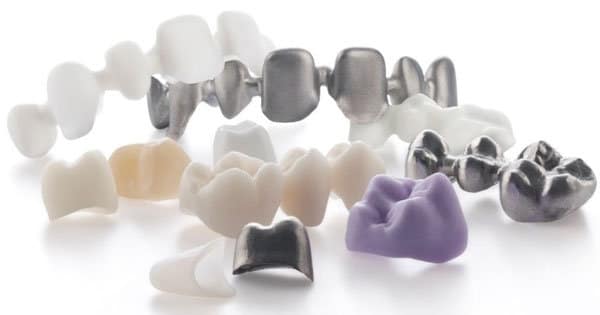
- Ceramics and zirconium: ideal for prostheses and crowns without risk of allergies.
- BPA-free resins: prevent reactions to plastic compounds.
- Pure titanium implants: reduce the risk of rejection or allergies.
- Latex-free gloves: recommended for patients sensitive to this material.
For more information on hypoallergenic alternatives, you can consult a biocompatible dentistry specialist.
Irritation from dentures
The denture irritation It is a common complaint among patients who wear full or partial dentures. It can occur due to a poorly fitting prosthesis, constant rubbing against the mucosa, or poor hygiene. The most common symptoms are redness, pain, sores, or a burning sensation in the mouth.
To relieve this discomfort, it's essential to see your dentist to check the fit of your dentures, maintain thorough cleaning, and, in some cases, use soothing gels or mouthwashes recommended by your specialist. A well-fitting and well-cared-for denture should not cause ongoing discomfort.
Frequent questions about allergies to dental materials
How do I know if I am allergic to a dental material?
If you experience redness, swelling, or irritation in your mouth after treatment, you may be allergic. A dentist can perform tests to confirm this.
Are allergies to dental materials common?
They are not very common, but they can affect people with an allergic predisposition or sensitivity to certain materials.
What should I do if I have an allergic reaction after dental treatment?
See your dentist immediately to assess the situation and find a safe alternative for your case.
Are there completely safe dental materials?
Yes, there are hypoallergenic options such as zirconium and some specific resins. A specialist can advise you on the best option for you.
What are the symptoms of a denture allergy?
A denture allergy is not very common, but it can occur, especially if the patient is sensitive to any of the materials used, such as acrylic, cobalt, or nickel. The most common symptoms include redness, itching, swollen gums, a burning sensation in the mouth, dry mouth, or even small sores or rashes in the areas in contact with the denture. If you suspect you have an allergy to your dentures, it is essential to see your dentist so they can evaluate your case and, if necessary, suggest an alternative with hypoallergenic materials.
If you experience discomfort or have questions about possible reactions to materials used in treatments, it is essential to seek professional advice. In our clinic, we recommend a periodic dental check-up to detect any changes or sensitivity in your mouth in time, especially if you are going to start treatment with dentures, fillings, or new devices.
Schedule a consultation at Acedo Dental
If you want to start showing off your smile, now is the time to start taking care of your smile. Call now at 669 95 66 58 to schedule your appointment at our Seseña clinic or at 606 886 468 for our clinic in El Barco de Ávila. It's the first step towards a dazzling, confident smile!
