
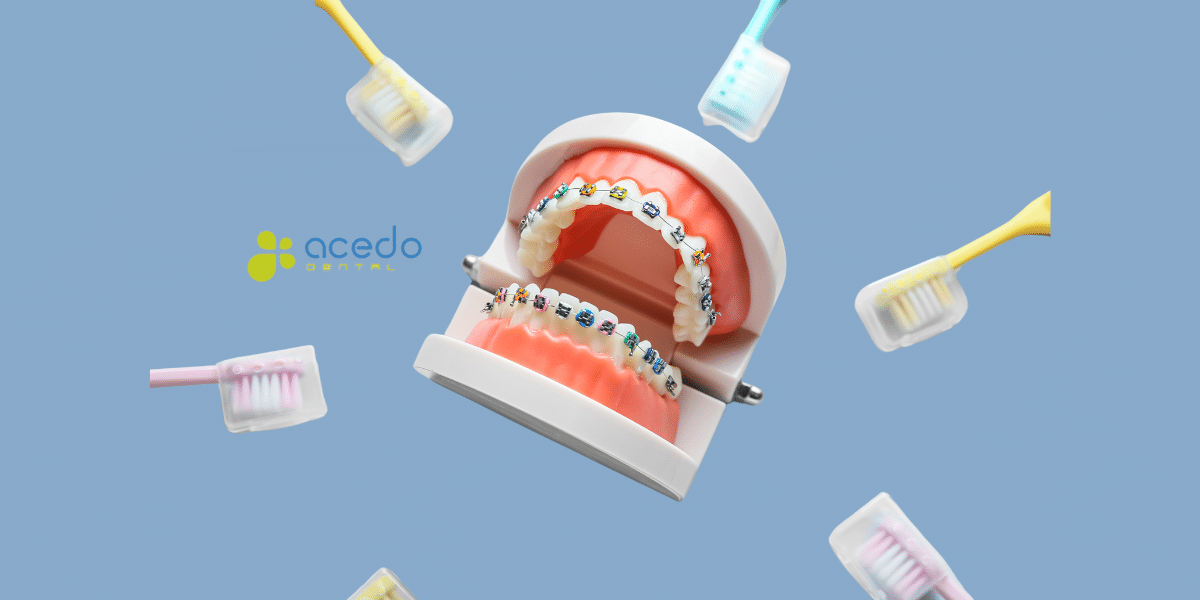
Having braces not only means straightening your smile, but also taking a series of important precautions to avoid problems during treatment. Many patients come to their appointment excited about the idea of achieving a perfect smile, but few know how to care for their teeth with braces from day one. Good care is essential; if not, cavities can develop. white spots or inflammation of the gums.
Did you know that 60% of orthodontic patients experience gum problems if they don't follow a proper routine? That's why, in this article, we'll explain step by step everything you need to do to keep your mouth healthy while wearing braces or aligners. Also, if you're thinking about starting your treatment, you can review this article. guide on types of orthodontics to choose the one that best suits you.
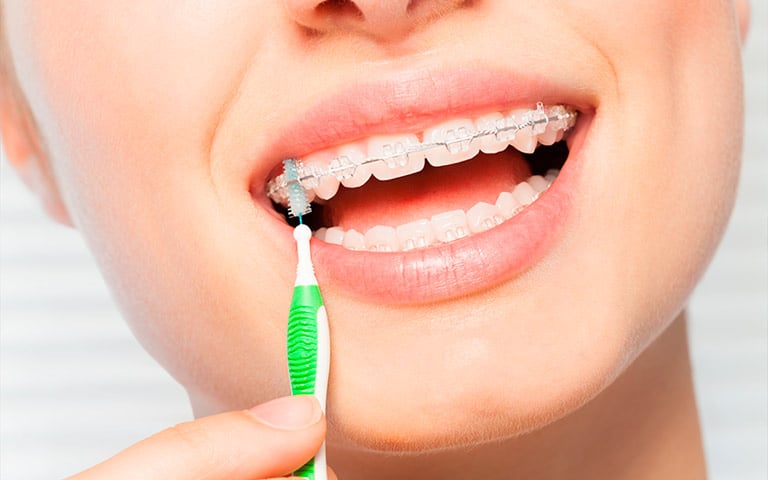
Table of Contents
- Daily dental care with orthodontics
- Nutrition: Take care of what you eat to maintain your orthodontics.
- Complementary products that help care for teeth with braces
- Invisible orthodontics: special care
- Frequent check-ups with the orthodontist
- How to soothe discomfort after adjustments
- Testimony of a satisfied patient
- Frequently asked questions about caring for teeth with braces
- The key is consistency
Daily dental care with orthodontics
Maintaining rigorous oral hygiene and caring for your teeth with braces is essential to prevent cavities, gum inflammation, and plaque buildup. Here's how to do it correctly:
Brushed:
- Brush your teeth at least three times a day, especially after each meal.
- Use an orthodontic (V-shaped) toothbrush or an electric toothbrush with special brush heads.
- Tilt the brush at a 45º angle over the gum line and use short, gentle strokes.
Interproximal brushes:
- Use them to clean between braces and spaces that a regular brush can't reach.
Dental floss with threader:
- Carefully thread the floss between each tooth, using the threader as a guide.
- Do it once a day, preferably at night.
Oral irrigator:
- It is an ideal accessory that sprays a jet of pressurized water to remove debris between teeth and braces.
Check out our section on dental cleanings to learn more about the professional maintenance methods we offer.
Nutrition: Take care of what you eat to maintain your orthodontics.
Your diet has a major impact on the success of your orthodontic treatment. You should avoid certain foods that can damage your braces or make hygiene difficult.
Table of recommended and non-recommended foods:
| Recommended foods | Foods not recommended |
|---|---|
| Natural yogurt | Chewing gum and sticky candies |
| Vegetable purees | Hard nuts |
| Steamed fish | Turrones, crispy bread |
| Bananas and soft fruits | Whole apples (best in chunks) |
| Rice, cooked pasta | Hard snacks |
| Soft cheeses | Ice or very cold foods |
Visit our page about dental veneers If you are also interested in improving the aesthetics of your smile once your treatment is complete.
Complementary products that help care for teeth with braces
These products will help you take care of your teeth with braces:
- Fluoride mouthwash: Strengthens enamel, prevents cavities, and fights bacteria. Use an alcohol-free product if you have sensitive gums.
- Orthodontic wax: It's used to cover areas of the bracket or wire that rub against the mucosa. Simply dry it with a cloth and place a small piece on the irritating area.
- Dental floss with threader: makes it easier to thread between teeth when wearing archwires or braces.
- Oral irrigator: Ideal for patients with motor difficulties or those seeking deep cleansing. It doesn't replace brushing, but rather complements it.
In our section of dental aesthetics You will find more options to complement your orthodontic treatment.
Invisible orthodontics: special care
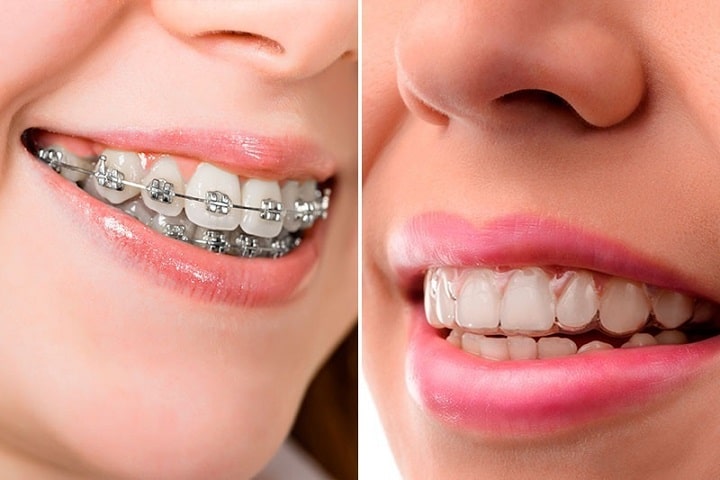
If you use clear aligners like Invisalign, the care is different:
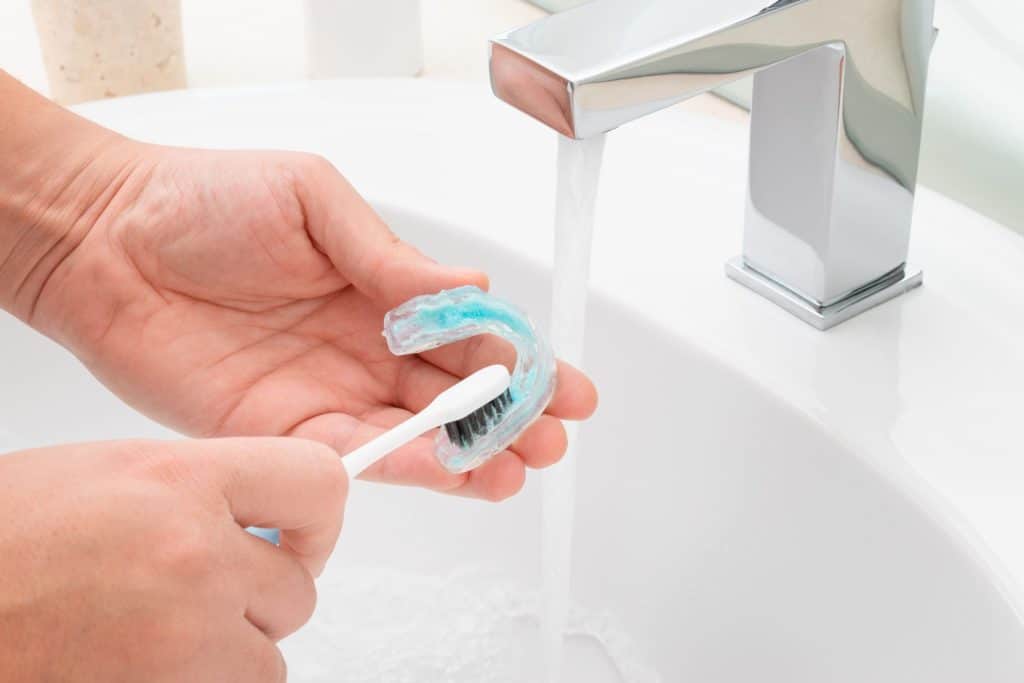
- Wash them every time you remove them, with warm (never hot) water and a soft toothbrush. Don't use toothpaste, as it can scratch your teeth.
- Do not leave them exposed to the air, keep them in their box to avoid bacteria or loss.
- Brush your teeth before putting them back in., to prevent bacteria from becoming trapped.
- Do not eat or drink anything other than water with them on.Food and drinks can damage or stain them.
Check out our section on invisible orthodontics to learn more about this treatment.
Frequent check-ups with the orthodontist
Regular visits to the orthodontist allow:
- Make necessary adjustments to ensure treatment progresses properly.
- Check for loose brackets or items that are causing injury.
- Detect cavities, gingivitis, or other complications in time.
- Resolve questions about hygiene, nutrition, or product use.
In Dental Clinic Acedo we have a team specialized in pediatric dentistry and invisible orthodontics for all ages.
How to soothe discomfort after adjustments
It's common to experience discomfort after getting braces or adjusting your aligners. These tips will help relieve it:
- Apply local cold: with an ice pack or cold cloth on the cheek.
- Take mild painkillers: such as paracetamol, always following the dentist's instructions.
- Avoid hard or hot foods during the first few days.
- Use orthodontic wax if there are areas that rub.
- Rinses with warm water and salt They help reduce inflammation and relieve wounds.
Testimony of a satisfied patient
"When I first started getting braces, I thought I just needed to brush a little more... but I didn't realize how much it impacts dental health. At Acedo Dental Clinic, they taught me how to use the irrigator and interdental brushes, and they even gave me a written guide. Thanks to them, after 18 months, I have a beautiful smile and not a single cavity. I would definitely do it again!"
Laura M., 32 years old, traditional orthodontic patient
Frequently asked questions about caring for teeth with braces
How do you brush your teeth with braces?
Using a special orthodontic brush and interproximal brushes. It is recommended to do this at least three times a day.
How often should I floss if I have braces?
Ideally once a day, using threaders for ease of use between brackets.
What happens if I don't brush my teeth properly with braces?
You may develop cavities, gum inflammation, or white spots around your braces.
Can I use mouthwash?
Yes, preferably one with fluoride to strengthen the enamel.
Do the aligners also require cleaning?
Yes, they should be cleaned every time they are removed to prevent bacteria buildup.
What foods are prohibited with braces?
Candy, chewing gum, hard foods such as nougat or toast.
How often should I visit the orthodontist?
Every 4 to 6 weeks, depending on the type of treatment.
How long does orthodontic treatment last?
It depends on the case, but it usually takes 12 to 24 months.
In addition to following a proper routine for caring for teeth with braces, it is essential to pay attention to your diet during treatment. In our article on Recommended and prohibited foods for bracesWe explain which foods can help you avoid breakages and maintain proper oral hygiene while wearing braces.
The key is consistency
Caring for your teeth with braces takes time, but the results are worth it. Following the hygiene and nutrition recommendations and regular visits to the orthodontist ensures that at the end of treatment, your smile will not only be aligned but also healthy.
If you are thinking about starting treatment or have questions about how to take care of yourself during the process, you can contact us and book an appointment. At Acedo Dental Clinic, we're happy to help you achieve the smile you've always wanted.
📍 Calle Abanico, 10, Local 1, El Barco de Ávila
📞 920 340 588 / 606 886 468
📧 info@acedodental.com
🌐 clinicasacedodental.com
