
Experiencing sudden pain, a blow to the mouth, or severe swelling can be very distressing, and knowing how to act in the first few minutes is crucial to saving a tooth and preventing further complications. Dental emergencies don't give warning; they can happen at any time, whether you're chewing hard food, playing sports, or waking up in the middle of the night with a sharp, unbearable pain. In this situation, the most important thing is to stay calm, apply first aid measures, and contact a professional immediately. If you want to learn more about general oral care and the prevention of these problems, institutions like the World Health Organization They offer reliable information on the importance of maintaining a healthy mouth. However, when an emergency has already occurred, you need quick and clear answers.
What is considered a dental emergency and what can you expect?
Not all dental problems require immediate same-day attention, but it's vital to know how to distinguish between critical situations and those that can wait for a scheduled appointment. A true dental emergency is one that puts a tooth's survival at risk, involves acute pain that doesn't subside with over-the-counter pain relievers, or presents an active infection that could spread to other parts of the body.
Among the situations that require immediate attention in the dental clinic These include teeth pulled out by the root (avulsion), dental fractures that expose the nerve, abscesses or phlegmons with facial swelling, and bleeding that doesn't stop after an extraction. In these cases, time is of the essence. See a professional quickly, either at our Seseña location or in El Barco de Ávila., This dramatically increases the chances of successful treatment.
On the other hand, there are problems that, while bothersome, aren't strictly life-or-death emergencies for your tooth. A small chip in the enamel that doesn't cause pain, a loose filling without extreme sensitivity, or a broken orthodontic archwire that's lightly touching your cheek are situations that should be evaluated by the dentist, but can usually be scheduled for a follow-up appointment in the next few days without risk of serious complications. When in doubt, it's always best to call the clinic, explain your symptoms in detail, and let the team assess the severity of the situation.
Severe toothache: causes and first aid at home
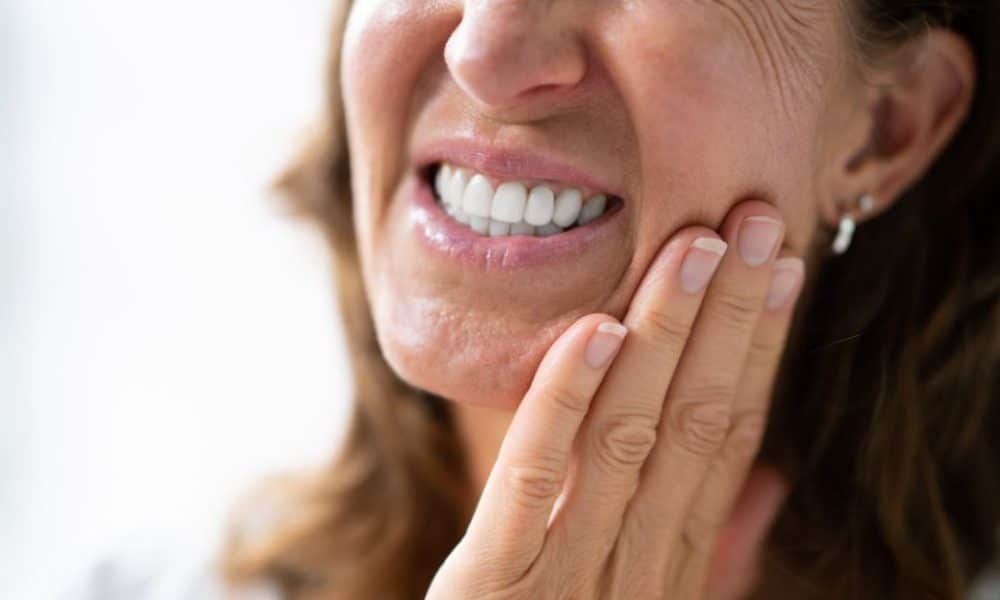
Toothache is one of the most common reasons patients seek urgent dental help. This pain rarely occurs without an underlying cause; it is usually the result of a problem that has been progressing silently, such as a deep cavity that has eventually reached the dental pulp (nerve), advanced periodontal disease, or problematic wisdom tooth eruption. The pain may be constant, throbbing, or triggered by chewing and consuming hot or cold foods.
If you're at home with excruciating pain and waiting to go to the clinic, there are several things you can do to ease the discomfort. The first is to carefully clean the area. Gently floss around the affected tooth to make sure no food particles are trapped and putting pressure on the inflamed gum. Rinse your mouth with warm salt water, which helps reduce inflammation and flush out any bacteria.
You can apply cold compresses to the outside of your cheek, on the painful area, for 15-minute intervals. The cold helps to constrict blood vessels and temporarily numb the area, reducing inflammation. If you have painkillers or anti-inflammatories at home that you regularly take for other aches and pains, you can use them, always following the instructions on the package insert.
What you shouldn't do
Never place aspirin or any other medication directly on the gum or a sore tooth, as the acids in the medication can burn the gum tissue and significantly worsen the situation. Also, avoid applying heat to the face, as if there is an ongoing infection, the heat can accelerate the spread of bacteria and increase swelling. Remember that these home remedies only mask the symptom temporarily; the underlying cause of tooth pain requires attention through a filling, a root canal, or extraction of the affected tooth.
Injuries and fractures: what to do if you break a tooth
A strong impact to the mouth, whether from a fall, a car accident, or a sports injury, can cause anything from a small crack in the enamel to a complete fracture of the tooth crown. When this occurs, the prognosis largely depends on the depth of the fracture.
If the fracture only affects the enamel (the hard outer layer), you probably won't feel any pain, or only slight sensitivity. In this case, the tooth can be easily restored in the dental office using cosmetic dentistry treatments with composite resins that match the color of your tooth.
However, if the fracture is deep and reaches the dentin (the yellowish middle layer) or the dental pulp (the core where the nerves and blood vessels reside), the pain will be sharp and immediate, especially when breathing cold air or drinking liquids. In this situation, the risk of infection is high. If possible, look for the broken tooth fragment; in some cases, the dentist can reattach it using dental bonding techniques. Keep it in a container with whole milk or saline solution and go to the clinic as soon as possible.
On your way to the appointment, rinse your mouth with warm water to clean the area of blood and debris. If there is bleeding from your lips or gums, apply gentle pressure with a clean gauze pad or a damp tea bag. Apply a cold compress to the outside of your face to minimize swelling. Treatment at the clinic will depend on the extent of the damage: it may range from a simple composite restoration to the placement of a crown. dental veneers, ...to the point where a root canal may be necessary and a protective crown placed if the nerve has been exposed or irreversibly damaged.
Loss of a tooth due to a blow (dental avulsion)
Dental avulsion, when an entire tooth is pulled from its socket by a violent impact, is a true dental emergency where every minute counts. If you act correctly within the first 30 to 60 minutes, the chances of the dentist being able to reimplant the tooth and for it to integrate back into the bone are quite high.
What you should do
If a tooth is knocked out, look for it immediately. It is crucial to pick it up by touching only the crown (the white part you usually see when you smile) and never the root (the pointed, yellowish part). Touching the root can irreparably damage the cells of the periodontal ligament, which are vital for the tooth to reattach to the bone.
If the tooth is dirty from falling on the floor, rinse it very gently with saline solution or cold water for a maximum of ten seconds. Do not rub it, do not use soap, and do not dry it with any paper or cloth. The next step, if possible and if the patient is a cooperative adult, is to try to reinsert the tooth into its socket in the gum. Hold it in place by gently biting down on a clean gauze pad or tissue.
If it's not possible to put the tooth back in the mouth (for example, because there's a risk of the patient swallowing it, or if the patient is a young child), the tooth must be kept moist during transport to the clinic. The best way to transport it is in a glass of cold whole milk. If you don't have milk, saline solution is the next best option. As a last resort, the patient can carry the tooth inside their mouth, between their cheek and gums, using their own saliva. Never transport it in tap water or carry it dry wrapped in a tissue. Go to the emergency dental clinic immediately.
Baby teeth
It is important to note that this protocol applies exclusively to permanent teeth. If a child loses a baby tooth due to a blow, it should never be reimplanted, as this could damage the developing permanent tooth bud inside the bone. In the case of pediatric dentistry, You should go to the dentist to check that there are no root fragments inside the gum and to assess the impact, but the lost baby tooth is not reimplanted.
Infections, abscesses and phlegmons: why you shouldn't ignore them
A dental abscess is a collection of pus caused by a bacterial infection, which usually manifests as a painful swelling in the gum, similar to a pimple, or as a large swelling on the face (phlegmon). This infection often originates from a deep, untreated cavity, an old injury that caused nerve death without obvious symptoms, or severe periodontal disease that has led to a buildup of bacteria in the gum pockets.
The symptoms of an abscess go beyond intense, throbbing pain. They can include extreme sensitivity to pressure, a bad taste in the mouth (if the abscess drains and pus oozes out), bad breath persistent, visible swelling in the jaw or neck, swollen lymph nodes, and even fever and general malaise.
A dental abscess should never be ignored or treated solely with home remedies. The infection will not clear up on its own, even if the abscess ruptures and the pain temporarily subsides. If bacteria enter the bloodstream, the infection can spread to other areas of the body, including the sinuses, the lower jaw, or, in extremely rare but real cases, lead to serious systemic complications such as Ludwig's angina or sepsis.
At the first sign of a phlegmon or abscess, you should see your dentist urgently. The primary treatment involves draining the pus to relieve pressure and reduce the bacterial load. This may require prescribing antibiotics to control the spread of the infection. Subsequently, the affected tooth will need to be treated to prevent the infection from recurring. This usually involves performing a root canal to clean the infected canals inside the root, or, if the tooth is too damaged to be saved, extracting it and planning for its replacement. dental implants.
Problems with orthodontics, crowns, or fillings that have fallen out
Although they are not usually as alarming as a knocked-out tooth or an abscess, problems with previous dental treatments or orthodontic appliances are very common emergencies that cause great discomfort in daily life and require professional assistance.
Conventional orthodontics
If you have traditional braces (metal or clear brackets), it's possible that when you eat something hard, a wire might come loose or a bracket might come off. If a wire is digging into your cheek, tongue, or gum, try gently pushing it into a more comfortable position using a pencil eraser. If you can't move it, thoroughly dry the area and cover the sharp end with orthodontic wax or a small piece of sugar-free cotton. Never try to cut the wire yourself, as you could swallow or inhale the metal fragment. Call the clinic to schedule an appointment to have the wire adjusted or replaced.
Dental fillings
The loss of a filling or the falling out of a dental crown also requires prompt attention. When a filling falls out, the inner tissue of the tooth is exposed to bacteria and temperature changes, which often leads to severe sensitivity and increases the risk of developing a new cavity in that unprotected area. Keep the area very clean by brushing gently and rinsing after every meal, and try chewing on the opposite side until you can see your dentist.
Dental crown
If a crown falls out, retrieve it, clean it gently, and store it in a safe place. In many cases, if the crown and supporting tooth are intact, the dentist can re-cement it without needing to make a new one. If the exposed tooth is very sensitive, you can use toothpaste for sensitivity or apply a small amount of temporary dental cement (available at pharmacies) to protect the tooth, but visit the clinic as soon as possible so a professional can permanently and securely attach the prosthesis.
Patient review of our emergency service
«"I was having dinner at home on a Friday night when, as I bit into a piece of toast, I felt a terrible cracking sound in one of my teeth. The pain was instantaneous and kept me from sleeping. The next morning, I desperately called around looking for a dentist in Seseña." that could see me quickly. The team at Acedo Dental Clinic They made room for me that very morning. They calmed me down immediately, explained that the tooth had fractured due to an old cavity, and treated me with an emergency root canal to relieve the pain. The friendly approach and personalized attention during such a stressful time made all the difference. Now I'm a regular patient, along with my whole family.» – Carlos M.
Frequently asked questions about dental emergencies
Should I go to the hospital emergency room or to the dentist?
Generally, for a strictly oral health problem such as a toothache, a fracture, or a lost tooth, you should go to a dental clinic. Hospital emergency departments don't usually have dentists on call, so their care will be limited to prescribing antibiotics or painkillers, but they won't be able to address the root cause of the problem. You should only go to the hospital if the dental problem is accompanied by a very high fever, severe difficulty swallowing or breathing, massive swelling that extends to the neck or eyes, or a serious head or jaw injury.
What can I take for a very bad toothache?
You can take over-the-counter pain relievers or anti-inflammatories that you normally use (such as ibuprofen or acetaminophen), always respecting the recommended dosages and making sure you don't have any allergies or medical contraindications. It's vital to remember that these medications relieve the symptom, but they don't cure the problem. See your dentist to treat the source of the pain. Never self-medicate with antibiotics.
How much does an emergency dental treatment cost?
The cost of an emergency visit depends entirely on the treatment required. It's not the same to replace a crown that has fallen out as it is to extract an infected wisdom tooth or reimplant an avulsed tooth. At our clinic, we will evaluate your case, provide an accurate diagnosis, and give you a transparent estimate before beginning any definitive treatment.
What should I do if my gums bleed a lot when I brush my teeth?
Sudden, heavy bleeding not caused by a blow can be a sign of periodontics Acute gum disease (gingivitis or periodontitis). While not usually an emergency requiring immediate attention within hours, it shouldn't be ignored. You should schedule an appointment for a professional deep cleaning or periodontal examination, as healthy gums should never bleed during normal brushing.
Can I save a tooth that has become loose after a blow?
Yes, in many cases it's possible. If, after a trauma, you notice that one or more teeth are loose but haven't fallen out, it's crucial not to touch them with your tongue or fingers and avoid biting down on them. See your dentist quickly; the professional will be able to splint the tooth (attach it to the healthy neighboring teeth with wire or resin) to stabilize it while the supporting tissues heal and the tooth re-establishes itself in the bone.
Are dental emergencies covered by social security?
In the Spanish public healthcare system, dental coverage is limited. In cases of acute emergencies such as severe infection or massive abscesses, medication may be prescribed or simple extractions performed, but conservative treatments like root canals to save the tooth, cosmetic restorations, or complex reimplantations are not covered. To save the tooth and receive comprehensive treatment, it is necessary to go to a private dental clinic.
Book an appointment at Acedo Dental Clinic for your dental emergency.
We know that experiencing an unexpected dental problem can be very worrying and completely disrupt your routine. Don't let fear or doubt prevent you from seeking the professional help you need. Delaying your visit to the clinic only increases the risk of losing the tooth and makes the necessary treatments more complex and prolonged. Our multidisciplinary team He is prepared to assist you and resolve your problem, prioritizing your well-being, reducing pain immediately, and offering you a safe and familiar environment.
Whether you need care for an injury, an abscess, severe pain, or problems with previous treatments, we're here for you. We have two active locations to provide you with the best service and convenience. If you're in Toledo or the southern area of Madrid, visit us at our clinic in Seseña.. If you are in the Tormes Valley or surrounding areas, we will assist you at our headquarters in El Barco de Ávila.. Act fast and contact us; your smile and your health can't wait.
Book your appointment today and wear a smile healthy, without discomfort and radiant to be proud of.
How can I book my appointment?
Booking your free appointment is very simple:
If you are in Seseña:
- Address: Calle Tirso de Molina 22, 45223 Seseña
- Phone: 669 956 658
If you are in El Barco de Ávila:
- Address: C. del Abanico, 10, Local 1, 05600 El Barco de Ávila, Ávila
- Phone: 606 886 468
Our customer service team will assist you with kindness and help you schedule your appointment at a time that best suits you.
We will wait for you!
